Cerebral Hemodynamic Alterations in Dialysis COVID-19 Survivors: A Transcranial Doppler Ultrasound Study on Intracranial Pressure Dynamics
José Lapeña-Motilva, Daniel Fouz-Ruiz, Mariano Ruiz-Ortiz, Eduardo Sanpedro-Murillo, Sara Gómez-Enjuto, Inés Hernando-Jimenez, Aida Frias-González, Andrea Soledad Suso, Evangelina Merida-Herrero, Julián Benito-León

TL;DR
This study found that dialysis patients who survived COVID-19 show altered cerebral blood flow patterns during dialysis, suggesting possible long-term brain and vascular effects of the virus.
Contribution
The study is the first to use transcranial Doppler ultrasound to investigate cerebral hemodynamic changes in dialysis patients post-COVID-19.
Findings
Post-COVID-19 dialysis patients showed a significant increase in pulsatility index between 30 and 60 minutes of dialysis.
These patients also exhibited lower heart rates compared to those without prior SARS-CoV-2 infection.
Abstract
We observed a COVID-19 survivor with a ventriculoperitoneal shunt who developed increased intracranial pressure during hemodialysis. We hypothesized that post-SARS-CoV-2 infection, patients may have altered cerebral perfusion pressure regulation in response to intracranial pressure changes. From April to July 2021, we recruited dialysis patients with prior COVID-19 from two Madrid nephrology departments. We also recruited age- and sex-matched dialysis patients without prior SARS-CoV-2 infection. Transcranial Doppler ultrasound was used to measure the middle cerebral artery velocity before dialysis and 30, 60, and 90 min after the initiation of dialysis. The final sample included 37 patients (16 post-COVID-19 and 21 without). The COVID-19 survivors showed a significant pulsatility index increase between 30 and 60 min compared to those without COVID-19. They also had lower heart rates.…
Genes, proteins, chemicals, diseases, species, mutations and cell lines named across the full text — each resolved to its canonical identifier and authoritative record.
Click any figure to enlarge with its caption.
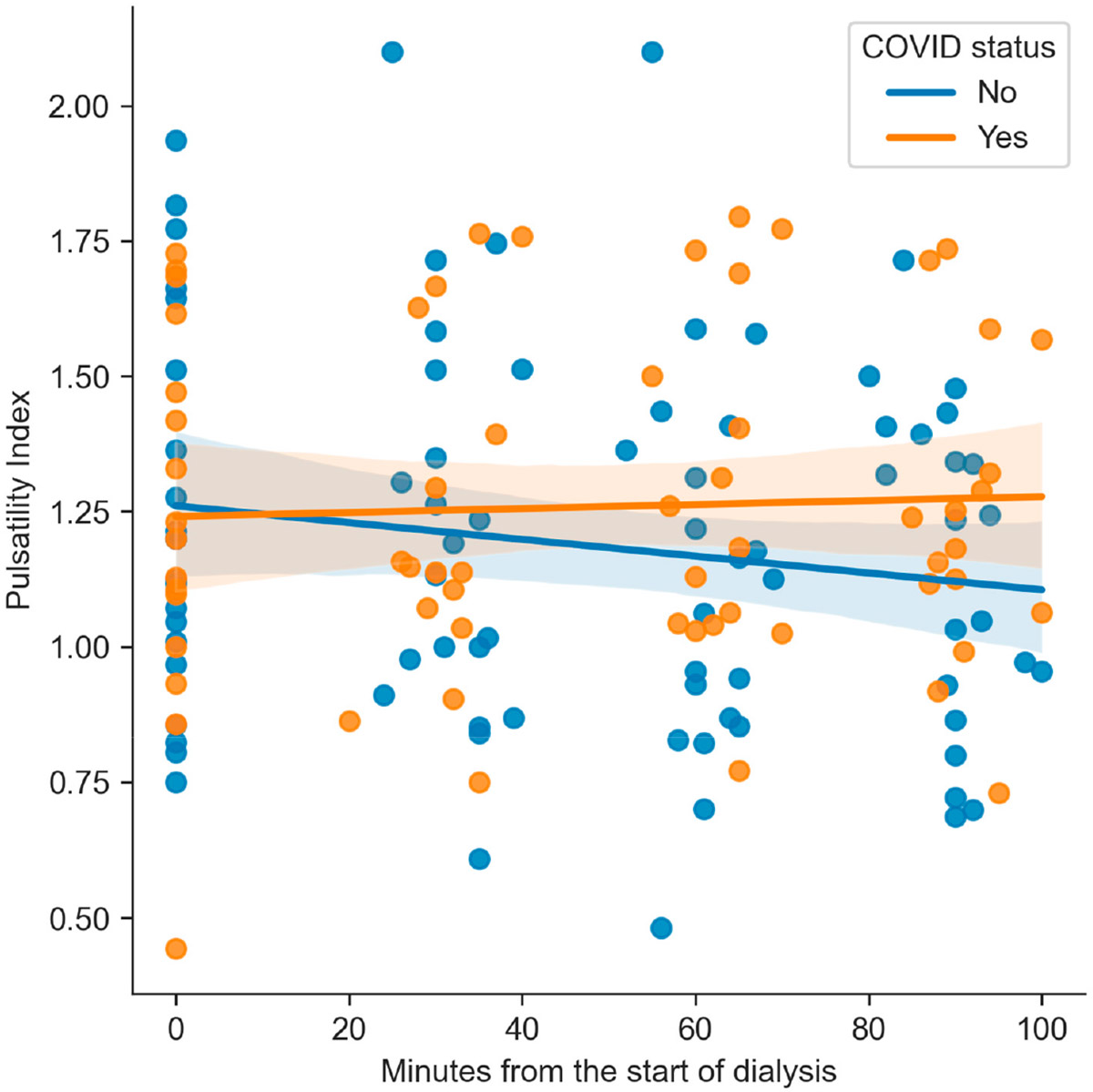 Figure 1
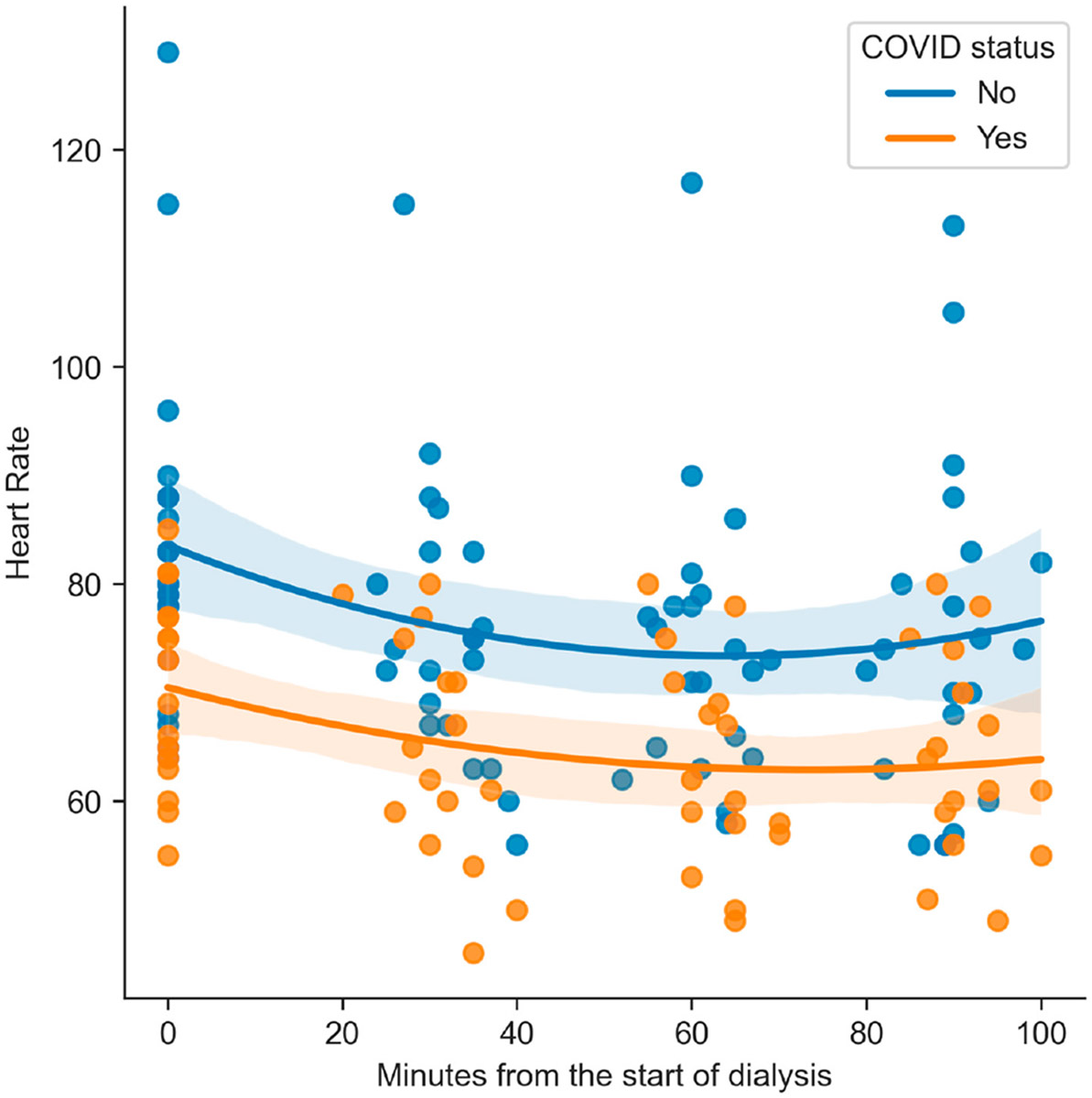 Figure 2
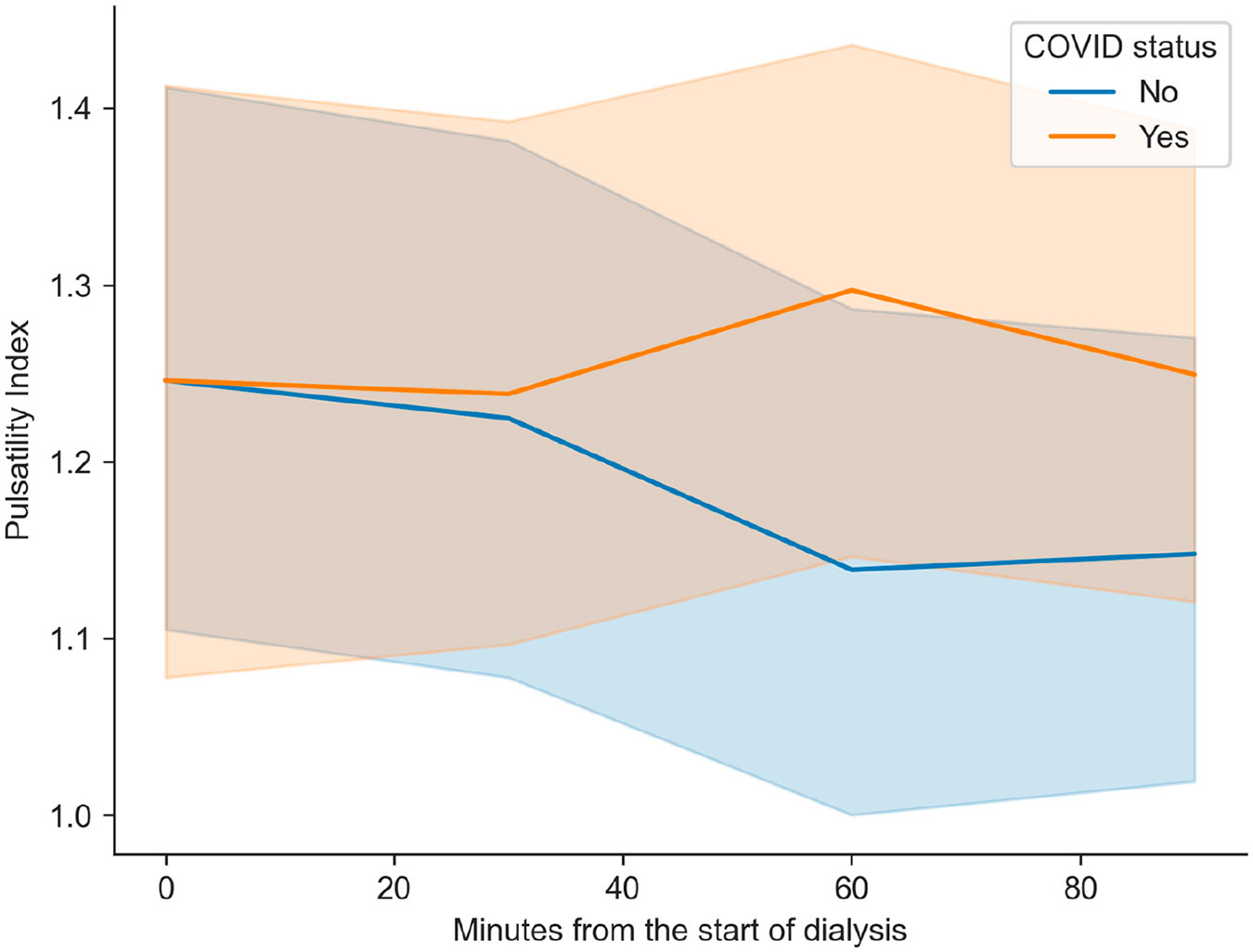 Figure 3
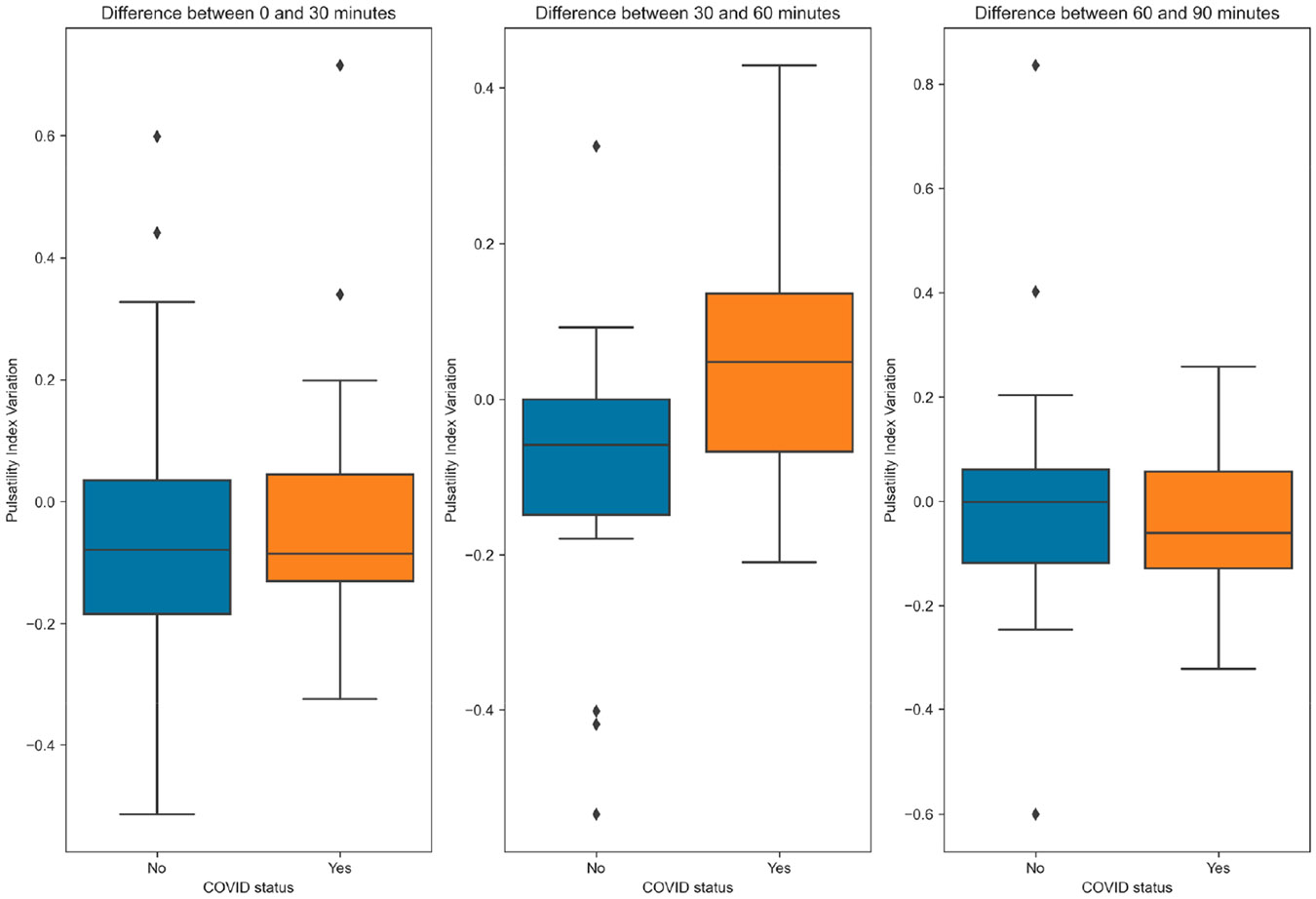 Figure 4
Peer Reviews
No public reviews on file for this paper yet. If you reviewed it on a platform where reviews are public (OpenReview, ICLR, NeurIPS, ICML), you can paste yours below so the community can read it here.
Videos
No videos yet. Explain this paper in a talk, walkthrough, or lecture? Add one.
Taxonomy
TopicsLong-Term Effects of COVID-19 · COVID-19 Clinical Research Studies · Optical Imaging and Spectroscopy Techniques