Identification of key hub genes and potential therapeutic drugs for nasopharyngeal carcinoma: Insights into molecular mechanisms and treatment strategies
Haiyan Quan, Hongguo Yin, Zhen Wang, Yuan Lv, Qiong Sun, Ting Yin

TL;DR
This study identifies eight key genes linked to nasopharyngeal cancer progression and finds calcitriol as a promising treatment, offering new insights into the disease's biology and potential therapies.
Contribution
The study introduces ASPM as a novel hub gene in NPC and validates calcitriol as a potent anti-proliferative drug for NPC treatment.
Findings
Eight hub genes (ASPM, BIRC5, BUB1B, CDK1, KIF23, PBK, TOP2A, TTK) were identified as drivers of NPC progression.
Calcitriol showed strong anti-proliferative effects with IC50 values of 0.90 μM, 0.47 μM, and 0.31 μM at 24, 48, and 72 hours.
ASPM was reported for the first time in the context of NPC.
Abstract
•Eight key hub genes identified as drivers of NPC progression.•Drug screening identified calcitriol as a potent inhibitor of NPC proliferation.•Provides novel molecular insights and potential therapeutic strategies for NPC. Eight key hub genes identified as drivers of NPC progression. Drug screening identified calcitriol as a potent inhibitor of NPC proliferation. Provides novel molecular insights and potential therapeutic strategies for NPC. Nasopharyngeal Carcinoma (NPC) is a highly malignant cancer with a high incidence in East and Southeast Asia, including southern China. Despite advances in treatment, the prognosis for advanced NPC remains poor due to high recurrence and metastasis rates. The molecular mechanisms driving NPC progression are not fully understood, and identifying key genes and potential therapeutic agents is critical. This study aims to uncover critical genes and…
Genes, proteins, chemicals, diseases, species, mutations and cell lines named across the full text — each resolved to its canonical identifier and authoritative record.
Click any figure to enlarge with its caption.
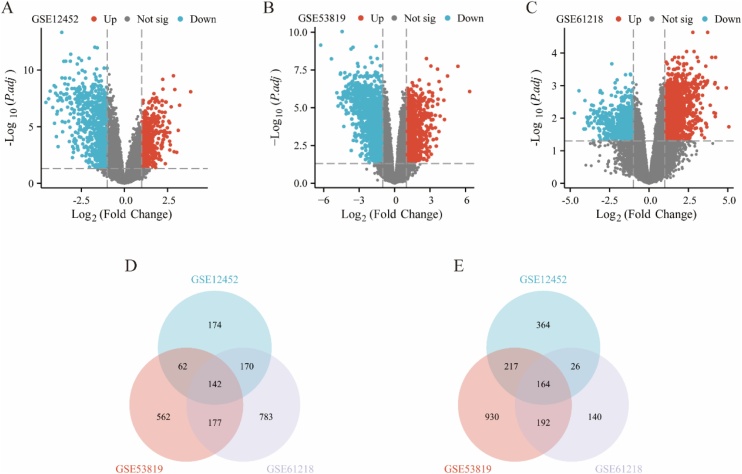 Figure 1
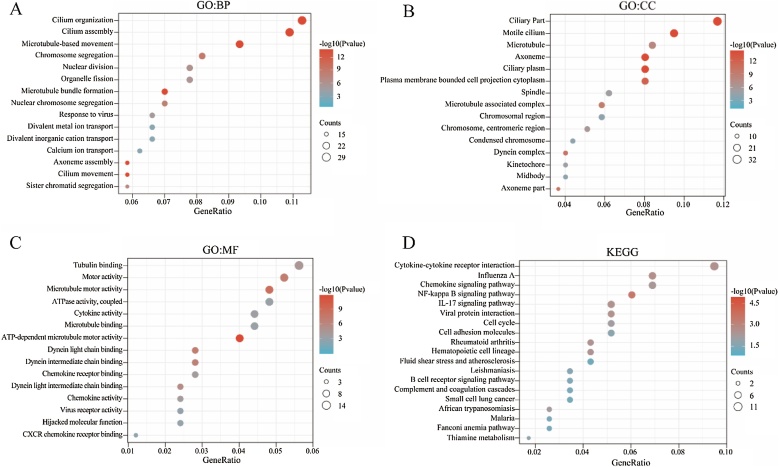 Figure 2
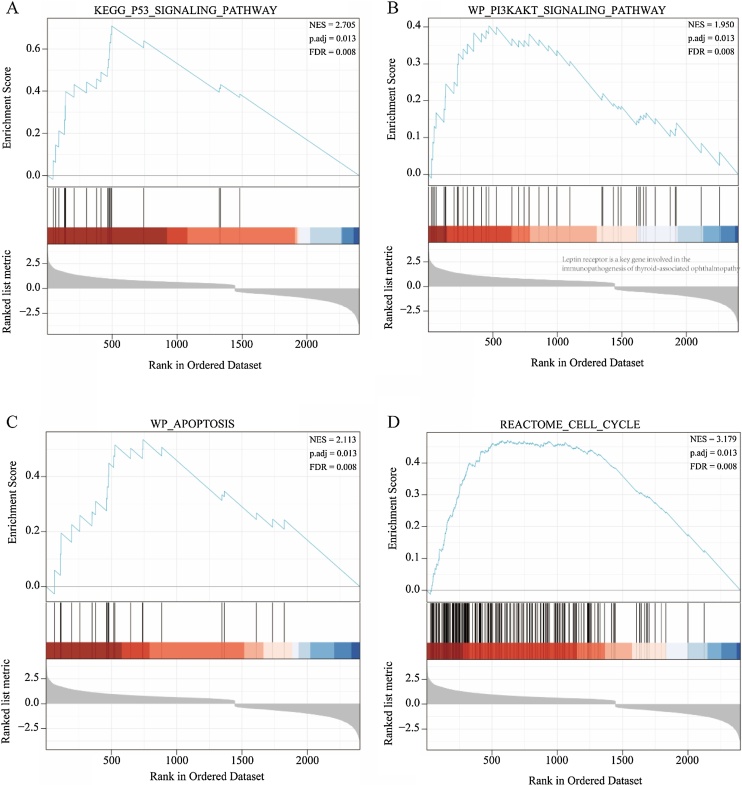 Figure 3
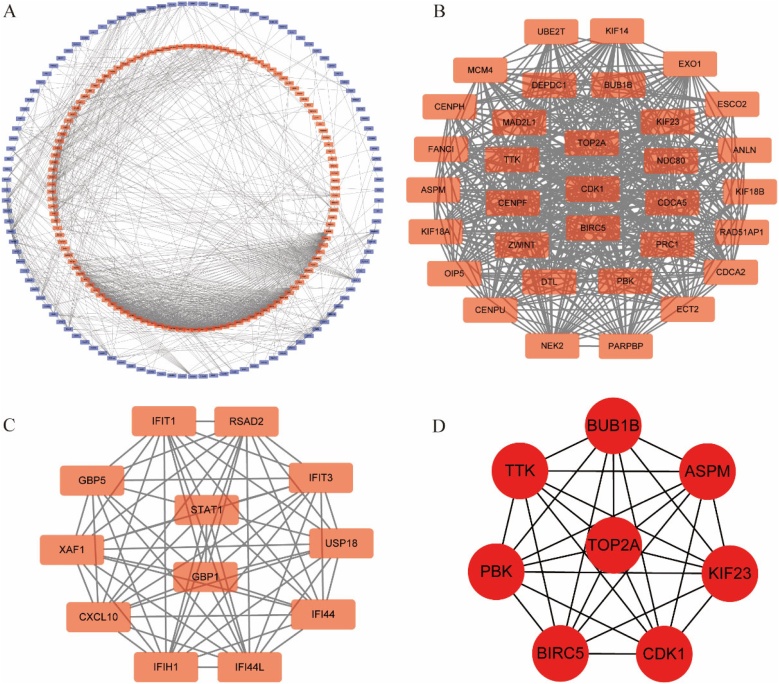 Figure 4
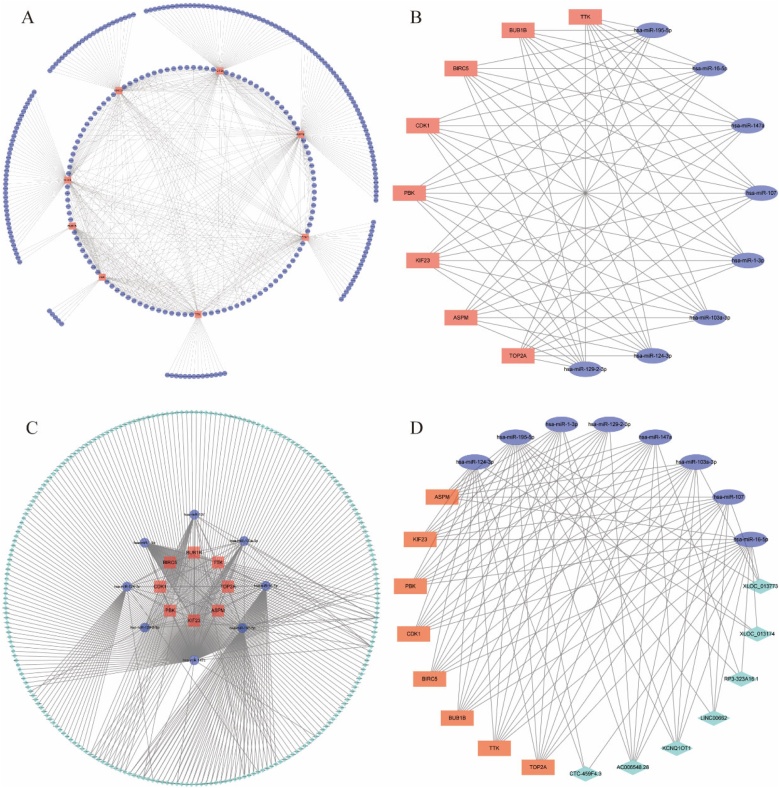 Figure 5
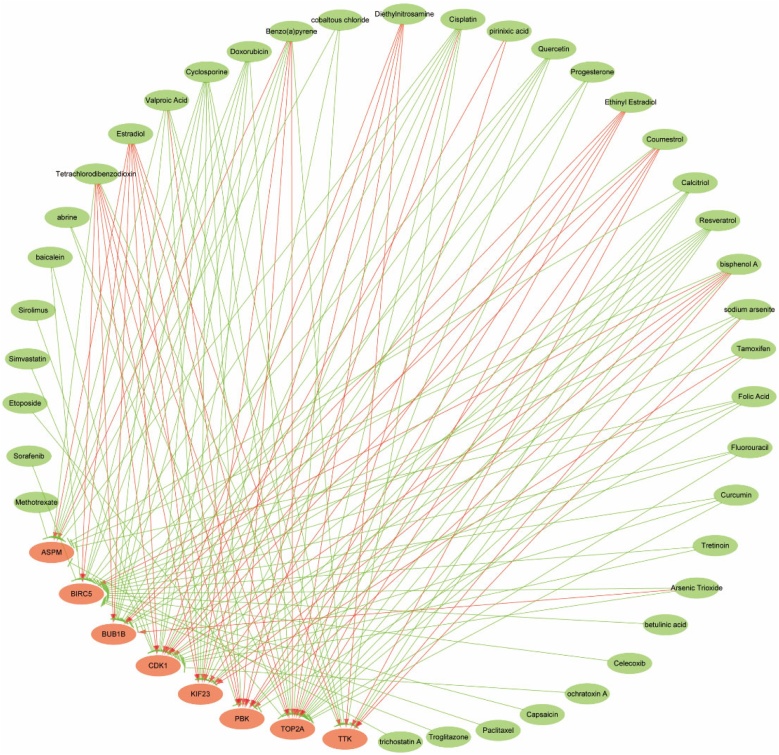 Figure 6
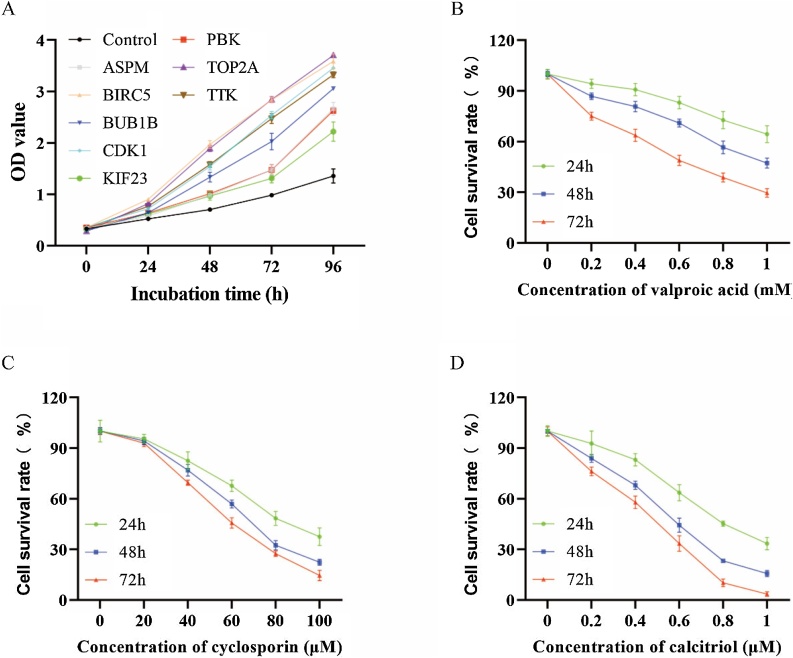 Figure 7
Peer Reviews
No public reviews on file for this paper yet. If you reviewed it on a platform where reviews are public (OpenReview, ICLR, NeurIPS, ICML), you can paste yours below so the community can read it here.
Videos
No videos yet. Explain this paper in a talk, walkthrough, or lecture? Add one.
Taxonomy
TopicsRNA modifications and cancer · Cancer-related molecular mechanisms research · Ferroptosis and cancer prognosis