Graph-based process models as basis for efficient data-driven surrogates – expediting the material development process
Johannes Gerritzen, Andreas Hornig, Maik Gude

TL;DR
This paper introduces a new method using graph-based models to speed up material development by efficiently training data-driven models.
Contribution
The novel contribution is a formalism combining graph-based process models and 'flowthings' to represent material development processes efficiently.
Findings
The proposed formalism generates a DAG representation of material development processes from acquired data.
Black box models trained on the derived database enable inverse optimization to maximize specific modulus under constraints.
The method demonstrates potential to accelerate material development through data-driven modeling.
Abstract
Shorter development cycles, increasing complexity and cost pressure are driving the need for more efficient development processes. Especially in the field of material development, the long and costly experiments are a major bottleneck. To address this bottleneck, data-driven models supporting the decision making process have recently gained popularity. However, such models require a structured representation of the development process to allow an efficient training. In this work, a formalism for deriving an efficient representation of material development processes (MDPs) is proposed, and demonstrated on the development of a high modulus steel (HMS). The formalism is based on the combination of graph-based process models and the recently proposed concept of “flowthings” [1]. This allows to efficiently derive a directed acyclic graph (DAG) representation of the MDP with the acquired…
Genes, proteins, chemicals, diseases, species, mutations and cell lines named across the full text — each resolved to its canonical identifier and authoritative record.
Click any figure to enlarge with its caption.
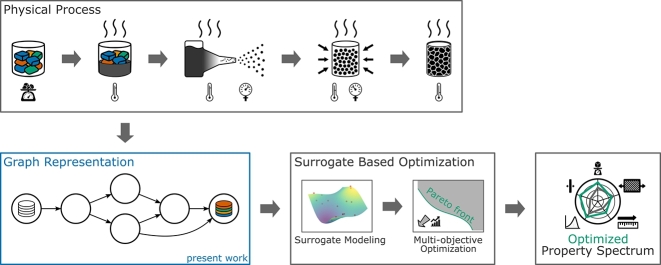 Figure 1
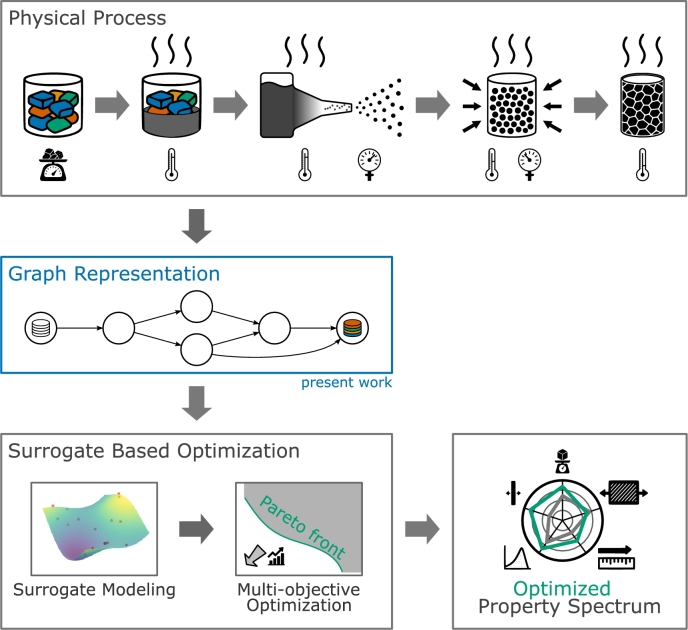 Figure 2
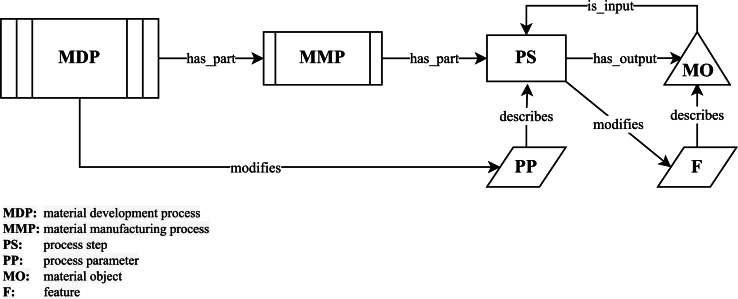 Figure 3
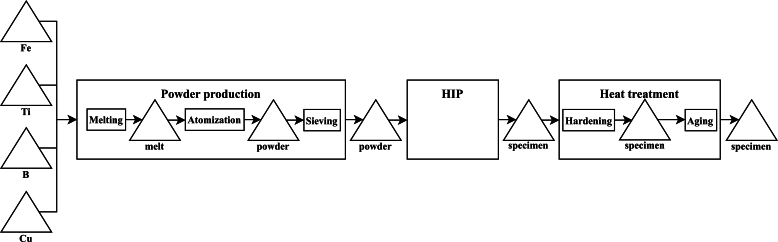 Figure 4
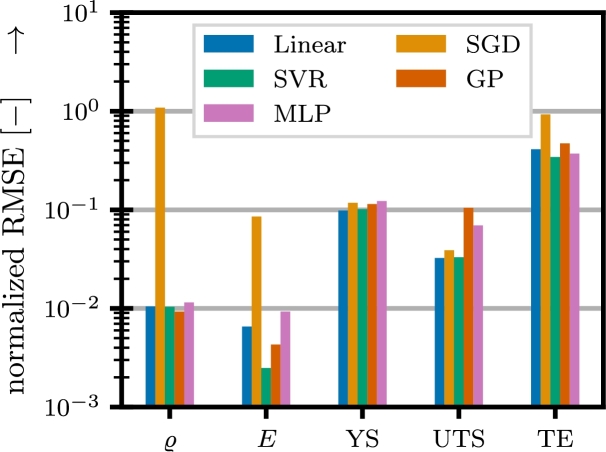 Figure 5
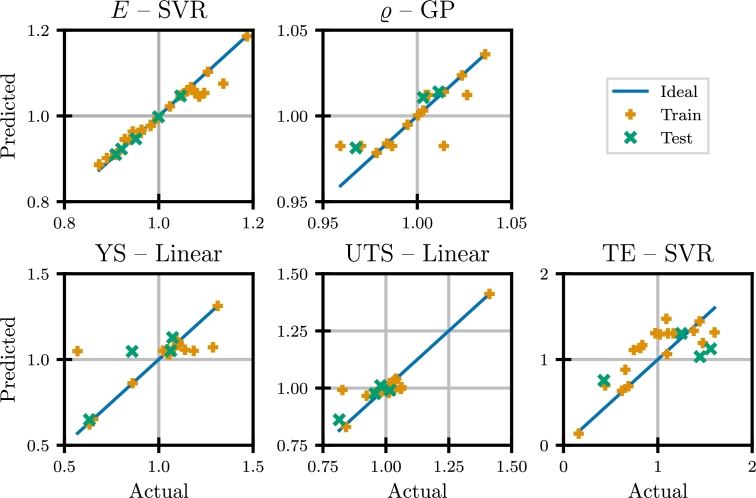 Figure 6
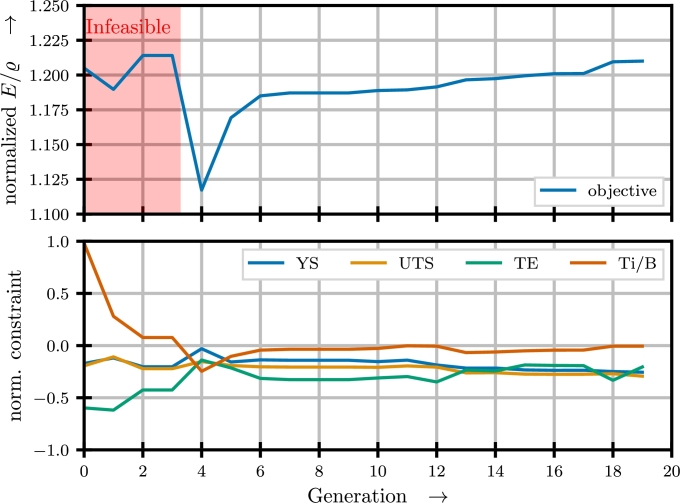 Figure 7
Peer Reviews
No public reviews on file for this paper yet. If you reviewed it on a platform where reviews are public (OpenReview, ICLR, NeurIPS, ICML), you can paste yours below so the community can read it here.
Videos
No videos yet. Explain this paper in a talk, walkthrough, or lecture? Add one.
Taxonomy
TopicsManufacturing Process and Optimization · Machine Learning in Materials Science · Product Development and Customization