Chrysin Modulates Behavior and Hippocampal Histopathology in Adult Male Hypoandrogenic Rats: The Regulatory Role of miR‐30a, miR‐375, and miR‐204
Amir‐Hossein Ebadi, Maryam Moghimian, Seyd‐Hossein Abtahi‐Evari, Zahra Saadatian, Alireza Fathi, Malihe Soltani

TL;DR
Chrysin, a flavonoid, may help reduce memory loss and brain cell damage in male rats with hypoandrogenism by regulating specific microRNAs.
Contribution
The study shows chrysin modulates miR-30a, miR-375, and miR-204 to reduce cell death and improve memory in hypoandrogenic rats.
Findings
Hypoandrogenism increased apoptosis, autophagy, oxidative stress, and dark neurons while reducing memory and microRNA levels.
Chrysin at 75 mg/kg reduced cell death, oxidative stress, and improved memory by modulating miR-30a, miR-375, and miR-204.
Chrysin treatment reversed neurodegeneration and memory deficits caused by hypoandrogenism.
Abstract
Hypoandrogenism, a condition linked to oxidative stress and hippocampal cell death, can lead to learning and memory disorders in aging men or those with hypogonadism. Recently, microRNAs such as miR‐30a, miR‐375, and miR‐204 have been identified as regulators of cell death and memory formation. Flavonoid antioxidants that modulate microRNA expression offer a potential therapeutic approach for neurodegenerative conditions. This study examines the effects of the flavonoid chrysin on these microRNAs, cell death processes, and memory under hypoandrogenic stress. Rats were assigned to six groups: control, hypoandrogenic, hypoandrogenic treated with chrysin (50 mg/kg and 75 mg/kg), and chrysin treated alone (50 mg/kg and 75 mg/kg). After 14 days, memory changes were assessed using the Morris water maze test, along with evaluations of oxidative stress enzymes, apoptosis and autophagy,…
Genes, proteins, chemicals, diseases, species, mutations and cell lines named across the full text — each resolved to its canonical identifier and authoritative record.
Click any figure to enlarge with its caption.
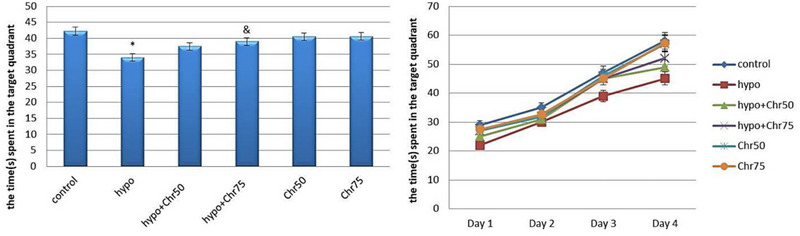 Figure 1
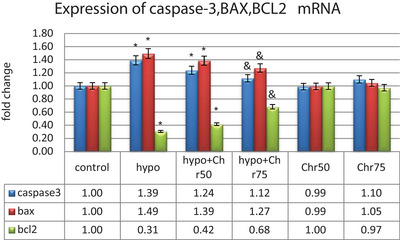 Figure 2
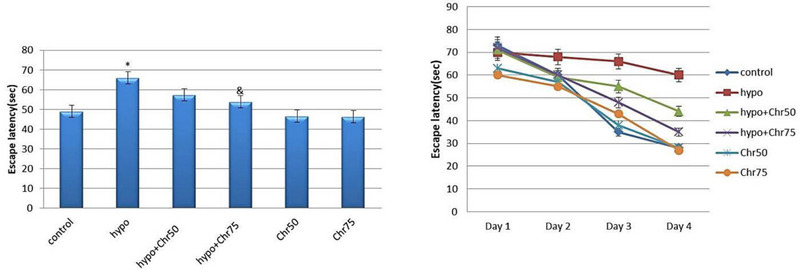 Figure 3
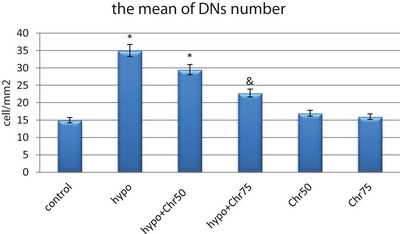 Figure 4
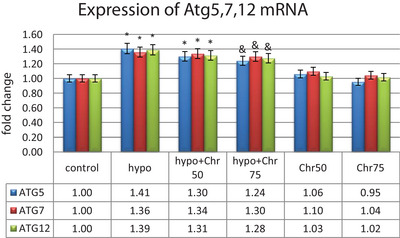 Figure 5
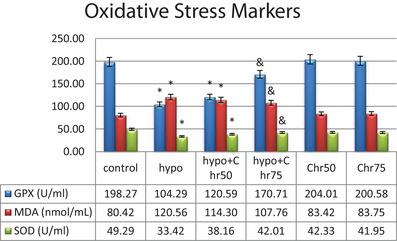 Figure 6
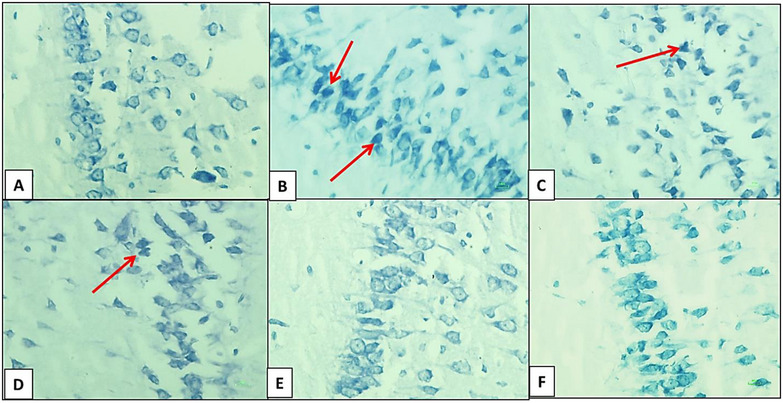 Figure 7
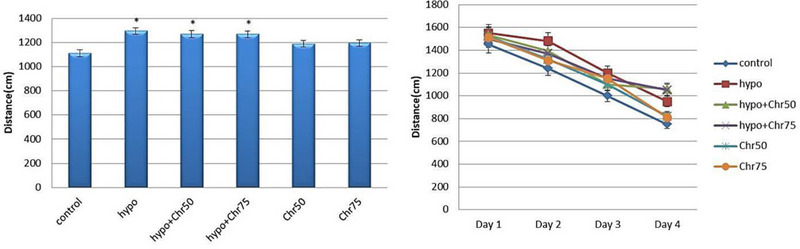 Figure 8
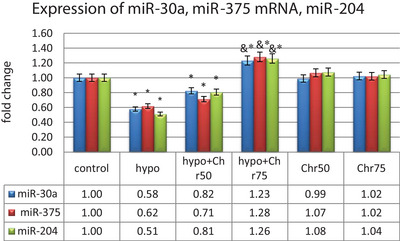 Figure 9
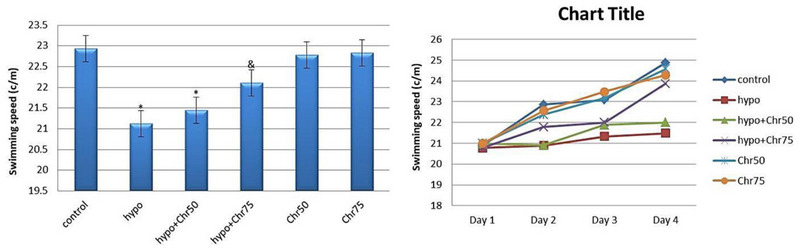 Figure 10
 Figure 11
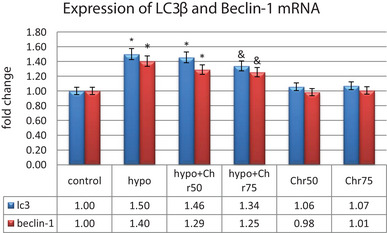 Figure 12
Peer Reviews
No public reviews on file for this paper yet. If you reviewed it on a platform where reviews are public (OpenReview, ICLR, NeurIPS, ICML), you can paste yours below so the community can read it here.
Videos
No videos yet. Explain this paper in a talk, walkthrough, or lecture? Add one.
Taxonomy
TopicsAutophagy in Disease and Therapy · Neurological Disease Mechanisms and Treatments · Neuroinflammation and Neurodegeneration Mechanisms