Unraveling the Role of α2δ‐1 in Cerebral Hemorrhage: Calcium Overload, Endoplasmic Reticulum Stress, and Microglial Apoptosis
Ning Yu, Xiaopeng Li, Bingqian Wang, Chengrui Nan, Qianxu Jin, Liang Yang, Depei Li, Zongmao Zhao

TL;DR
This study explores how the α2δ-1 protein contributes to cerebral hemorrhage through calcium overload and cell stress, suggesting it as a potential treatment target.
Contribution
The study identifies α2δ-1 as a novel mediator of calcium signaling and microglial apoptosis in cerebral hemorrhage.
Findings
α2δ-1 knockdown reduces intracellular calcium concentration and phosphorylation of PLCr and IP3R.
α2δ-1 induces endoplasmic reticulum stress and microglial apoptosis in BV2 cells.
Targeting α2δ-1 may offer therapeutic potential for cerebral hemorrhage and related conditions.
Abstract
Cerebral hemorrhage is a severe condition associated with high morbidity and mortality. Understanding the underlying pathogenesis is crucial for developing effective therapeutic strategies. This study aimed to investigate the role of the dysregulated α2δ‐1 protein in cerebral hemorrhage. We observed a significant upregulation of α2δ‐1 in cerebral hemorrhage tissue. Knockdown of α2δ‐1 resulted in decreased intracellular calcium concentration and reduced phosphorylation of PLCr and IP3R in the presence of calcium. Additionally, α2δ‐1‐mediated calcium overload induced ERS in BV2 microglia, accompanied with increased phosphorylation of PERK and decreased ERS‐related protein levels. α2δ‐1 knockdown significantly inhibited BV2 microglia apoptosis and downregulated apoptosis‐related proteins in the presence of calcium. Our study indicates the involvement of α2δ‐1 in calcium‐mediated…
Genes, proteins, chemicals, diseases, species, mutations and cell lines named across the full text — each resolved to its canonical identifier and authoritative record.
Click any figure to enlarge with its caption.
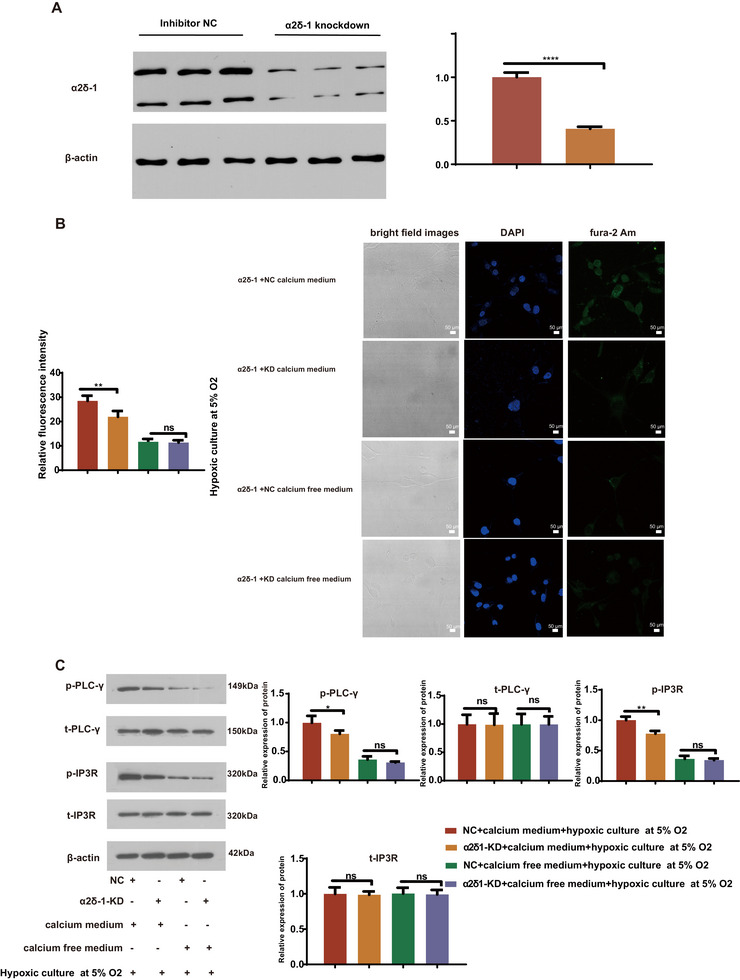 Figure 1
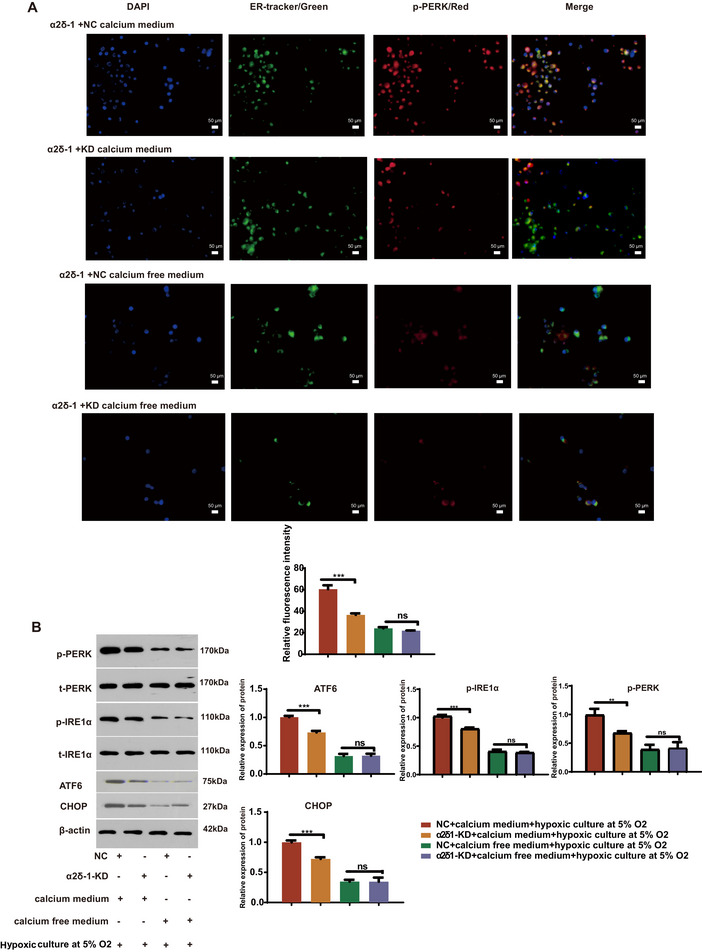 Figure 2
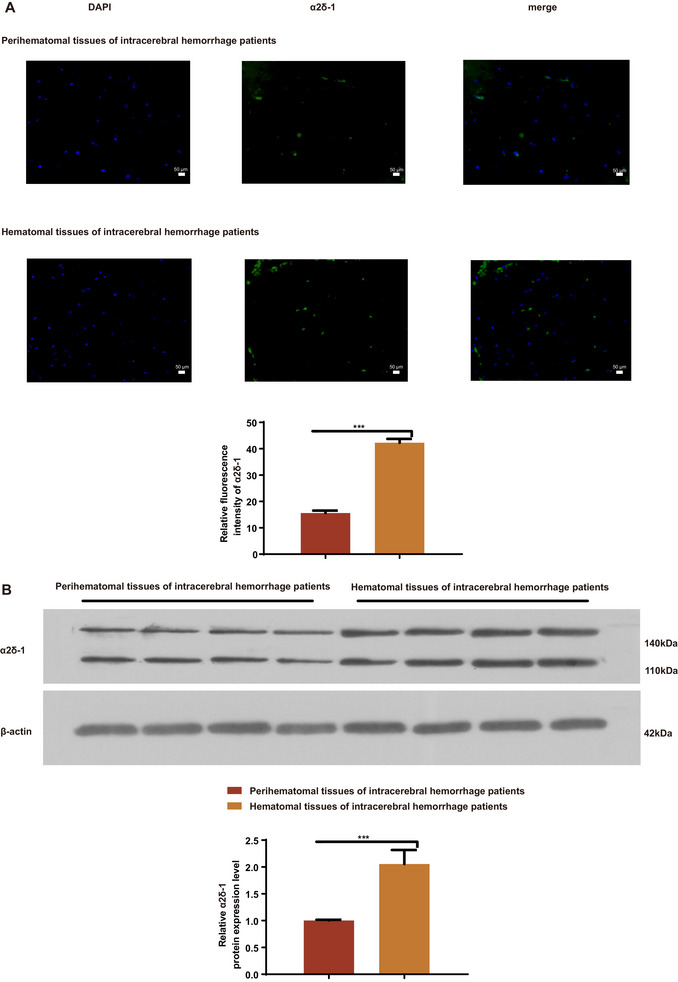 Figure 3
 Figure 4
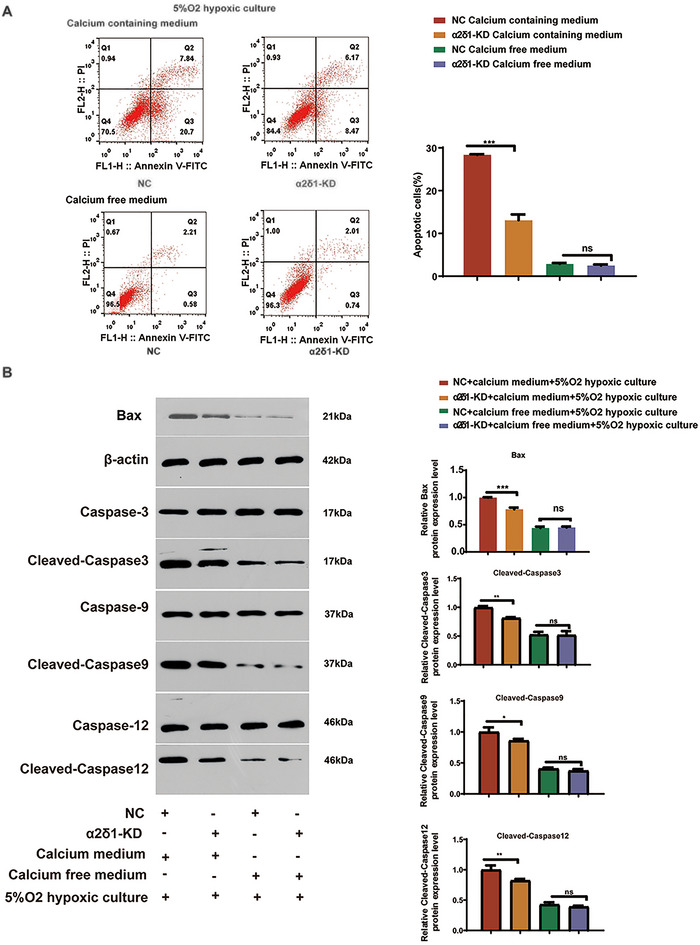 Figure 5
Peer Reviews
No public reviews on file for this paper yet. If you reviewed it on a platform where reviews are public (OpenReview, ICLR, NeurIPS, ICML), you can paste yours below so the community can read it here.
Videos
No videos yet. Explain this paper in a talk, walkthrough, or lecture? Add one.
Taxonomy
TopicsNeuroinflammation and Neurodegeneration Mechanisms · Alzheimer's disease research and treatments · Intracerebral and Subarachnoid Hemorrhage Research