Potential role of lysine acetylation in the stepwise adaptation of Candida albicans to fluconazole
Nana Song, Yuying Huang, Xiaowei Zhou, Dongmei Li, Weida Liu, Xiaofang Li

TL;DR
This study explores how lysine acetylation in Candida albicans may help the fungus develop resistance to the antifungal drug fluconazole by altering energy and protein production.
Contribution
The study reveals dynamic changes in lysine acetylation patterns across fluconazole-resistant C. albicans strains, linking them to metabolic and protein synthesis pathways.
Findings
Acetylation levels of proteins involved in converting pyruvate to acetyl-CoA for the TCA cycle initially decrease then increase with fluconazole resistance.
Proteins related to ribosome synthesis, translation, and amino acid production show increased acetylation in resistant strains.
Lysine acetylation appears to regulate energy metabolism and protein synthesis, potentially contributing to azole resistance in C. albicans.
Abstract
Candida albicans is an opportunistic fungal pathogen capable of causing superficial mucosal and systemic infections, sometimes leading to life-threatening conditions. The increasing resistance of C. albicans to azole antifungals has become a significant challenge in clinical treatment. Lysine acetylation (KAc) is a well-studied post-translational modification that plays crucial roles in various biological processes. However, its impact on antifungal resistance in C. albicans remains poorly understood. Five strains of C. albicans isolated from the same patient, representing different stages of acquired fluconazole resistance in vivo, were used in this study to investigate the potential regulatory mechanism of KAc on the development of azole resistance in C. albicans. Quantitative proteomic analysis using tandem mass tag (TMT) labeling, acetylation enrichment, and liquid…
Genes, proteins, chemicals, diseases, species, mutations and cell lines named across the full text — each resolved to its canonical identifier and authoritative record.
Click any figure to enlarge with its caption.
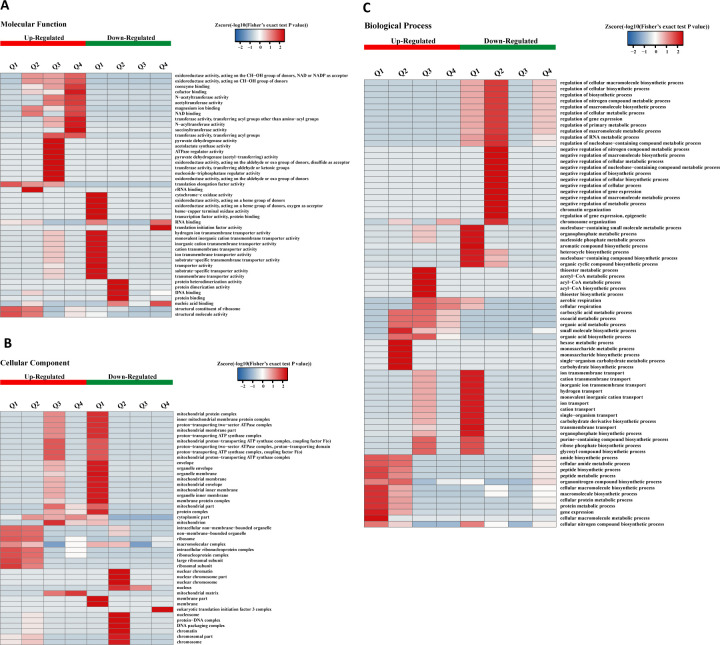 Figure 1
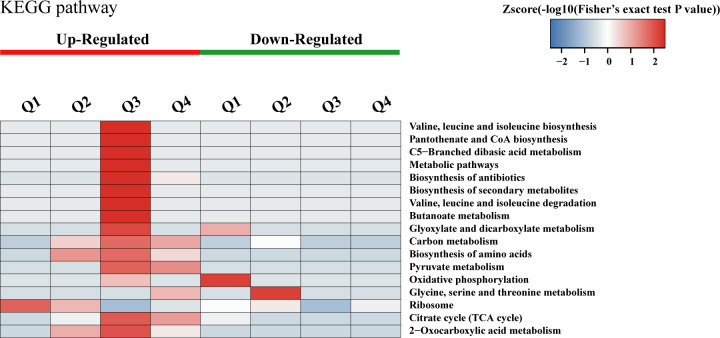 Figure 2
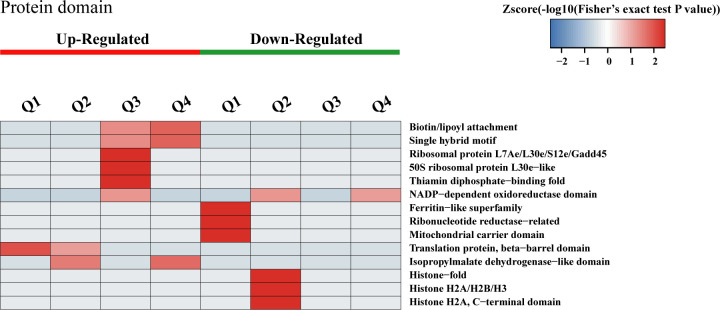 Figure 3
 Figure 4
Peer Reviews
No public reviews on file for this paper yet. If you reviewed it on a platform where reviews are public (OpenReview, ICLR, NeurIPS, ICML), you can paste yours below so the community can read it here.
Videos
No videos yet. Explain this paper in a talk, walkthrough, or lecture? Add one.
Taxonomy
TopicsAntifungal resistance and susceptibility · Fungal Infections and Studies · Probiotics and Fermented Foods