Proof-of-concept MALDI-TOF-MS assay for the detection of Toxin B enzymatic activity in Clostridioides difficile infection
Josef Dvorak, Lukáš Fojtík, Ljubina Adámková, Katerina Vlkova, Vendula Studentova, Katerina Chudejova, Lenka Geigerová, Michael Volny, Petr Novak, Jaroslav Hrabak, Petr Pompach

TL;DR
A new MALDI-TOF-MS method detects Toxin B activity in C. difficile infections directly from stool samples, without needing pathogen cultivation.
Contribution
A proof-of-concept MALDI-TOF-MS assay that detects Toxin B enzymatic activity directly in stool samples, bypassing the need for cultivation.
Findings
The assay successfully detected Toxin B activity in patient stool samples and C. difficile cell cultures.
The method uses RhoA glycosylation as a readout for Toxin B activity, detected via MALDI-TOF mass spectrometry.
The assay was performed in situ on a NeutrAvidin MALDI chip with unique surface modification.
Abstract
Matrix-assisted laser desorption/ionization time-of-flight (MALDI-TOF) mass spectrometers have become an integral part of all modern clinical microbiology laboratories. They serve as the key tool for pathogen identification and antibiotic resistance determination. However, certain limiting conditions must be fulfilled. The pathogen cannot be tested directly from the sample and requires the cultivation of a pure colony, which means that the standard protocol takes additional time, workforce, and consumables. The testing protocol is also more complicated when it comes to anaerobes. In our work, we focused on the functional detection of Clostridioides difficile, an important nosocomial human pathogen that is responsible for diarrhea and can lead to life-threatening colitis, as a model diagnostic problem. The virulence of C. difficile is mainly caused by two toxins, Toxin A and Toxin B.…
Genes, proteins, chemicals, diseases, species, mutations and cell lines named across the full text — each resolved to its canonical identifier and authoritative record.
Click any figure to enlarge with its caption.
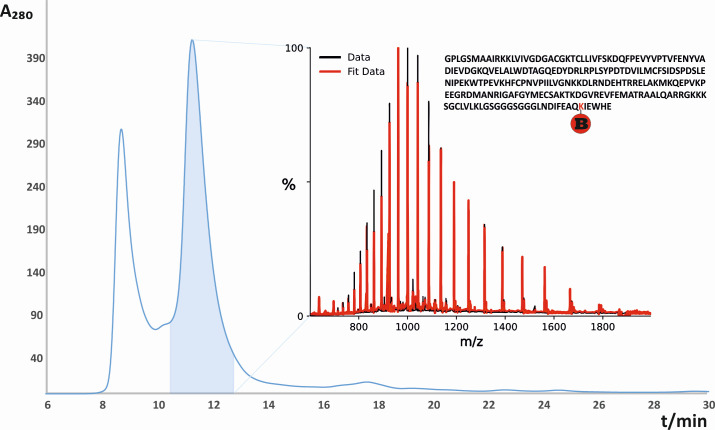 Figure 1
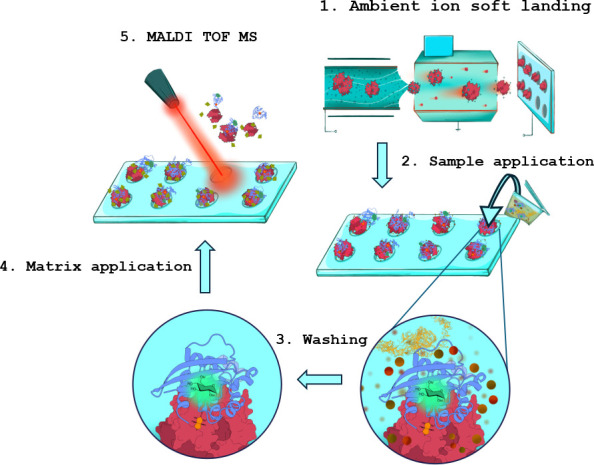 Figure 2
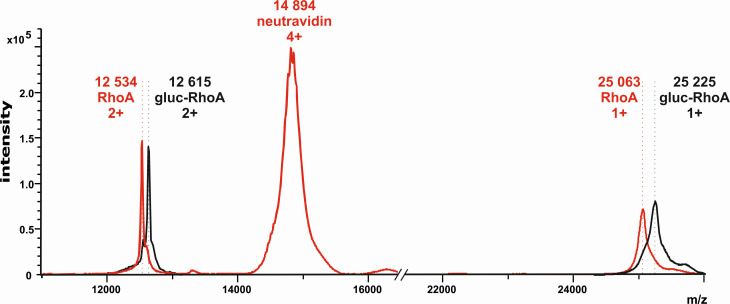 Figure 3
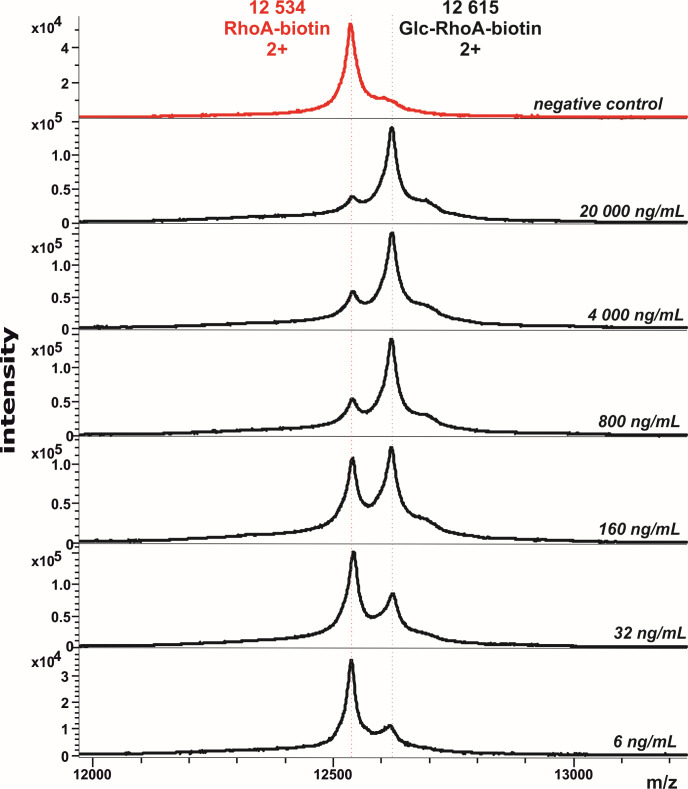 Figure 4
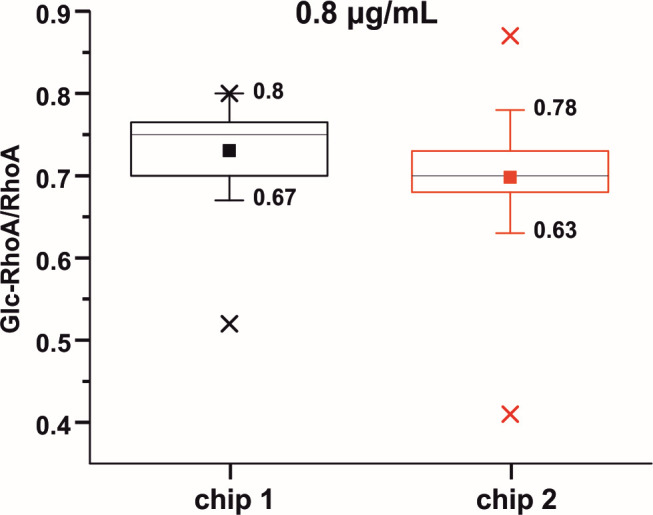 Figure 5
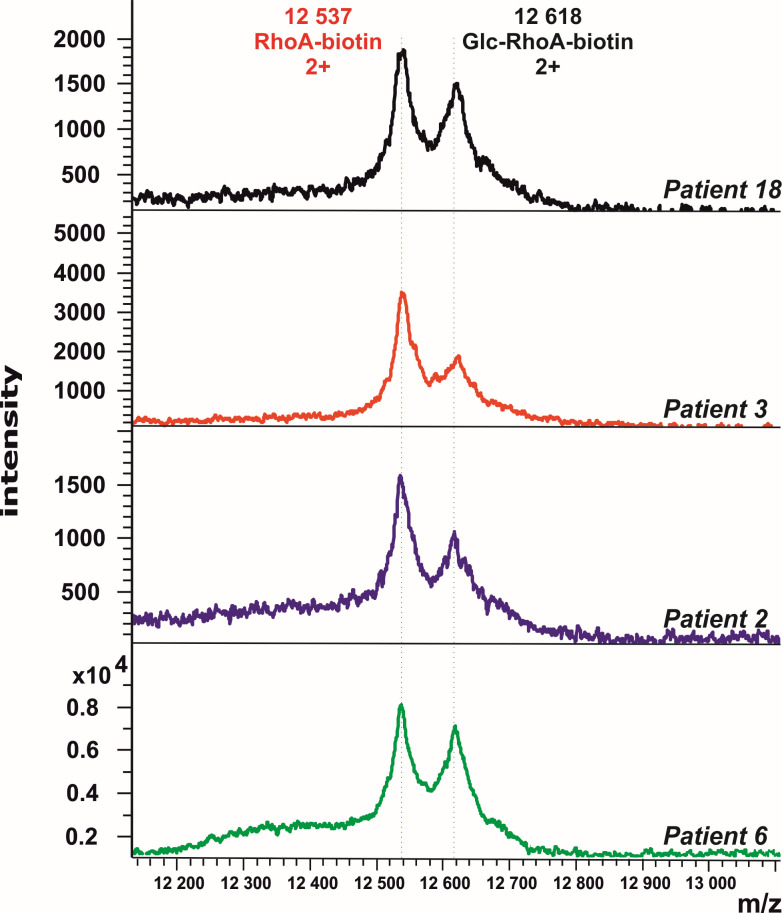 Figure 6
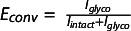 Figure 7
Peer Reviews
No public reviews on file for this paper yet. If you reviewed it on a platform where reviews are public (OpenReview, ICLR, NeurIPS, ICML), you can paste yours below so the community can read it here.
Videos
No videos yet. Explain this paper in a talk, walkthrough, or lecture? Add one.
Taxonomy
TopicsClostridium difficile and Clostridium perfringens research · Bacterial Identification and Susceptibility Testing · Pharmacological Effects of Natural Compounds