The GPCR antagonist PPTN synergizes with caspofungin providing increased fungicidal activity against Aspergillus fumigatus
Thaila Fernanda dos Reis, Endrews Delbaje, Camila Figueiredo Pinzan, Rafael Bastos, Suzanne Ackloo, Sara Fallah, Bradley Laflamme, Nicole Robbins, Leah E. Cowen, Gustavo H. Goldman

TL;DR
PPTN, a drug originally targeting human cells, works better with existing antifungals to fight deadly fungal infections like aspergillosis.
Contribution
PPTN is identified as a novel antifungal adjuvant that synergizes with existing drugs to enhance fungicidal activity against resistant fungal strains.
Findings
PPTN synergizes with caspofungin, ibrexafungerp, voriconazole, and amphotericin to increase fungicidal activity against resistant A. fumigatus isolates.
PPTN combined with histone deacetylase and DNA methyltransferase inhibitors enhances its antifungal effects.
PPTN shows reduced toxicity to human cells and partially clears A. fumigatus infection in lung epithelial cells.
Abstract
Fungal pathogens pose a serious threat to human health, with Candida and Aspergillus spp. representing some of the most significant opportunistic invaders. Aspergillus fumigatus causes aspergillosis, one of the most prevalent fungal diseases of humans. There is a limited number of drugs available to combat these infections, and antifungal drug resistance is on the rise. In this manuscript, we show 4-[4-(4-Piperidinyl) phenyl]-7-[4-(-(trifluoromethyl) phenyl]-2-naphthalenecarboxylic acid (PPTN), a highly specific antagonist of the human P2Y14 receptor, is a promising antifungal adjuvant against diverse fungal pathogens. PPTN interacts with caspofungin (CAS), ibrexafungerp, voriconazole (VOR), and amphotericin against A. fumigatus CAS- and VOR-resistant clinical isolates, and also CAS against Candida spp and Cryptococcus neoformans. The combination of PPTN and CAS increases cell death in…
Genes, proteins, chemicals, diseases, species, mutations and cell lines named across the full text — each resolved to its canonical identifier and authoritative record.
Click any figure to enlarge with its caption.
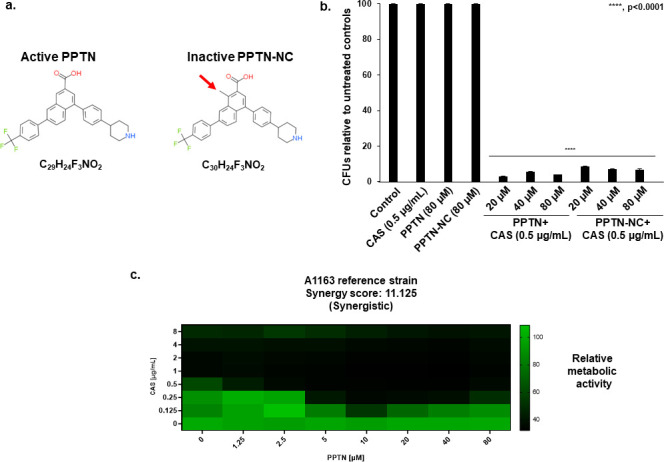 Figure 1
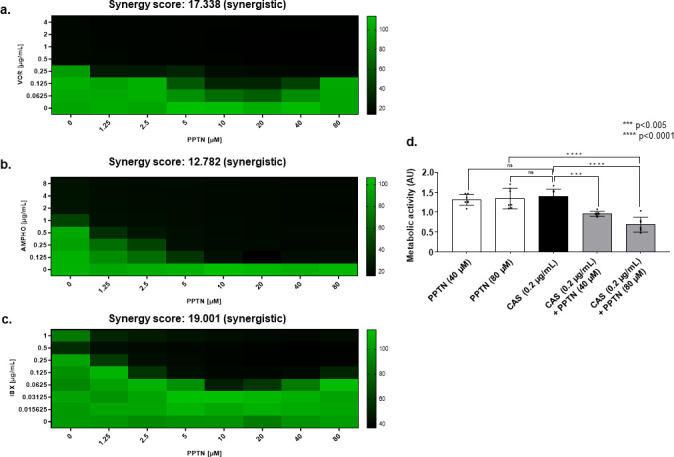 Figure 2
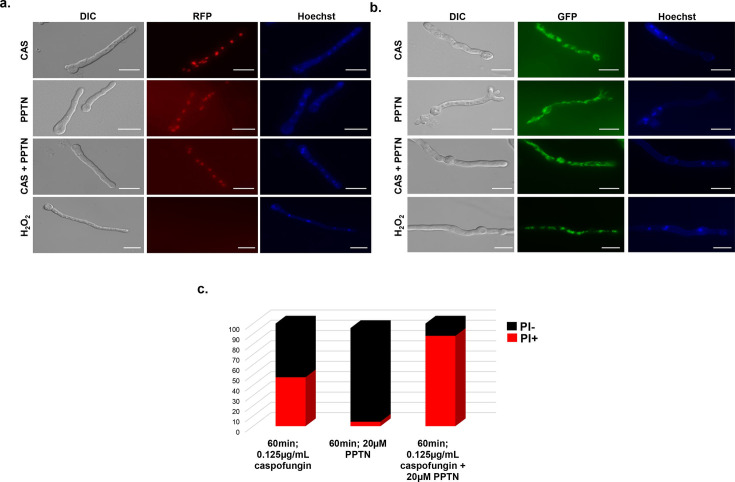 Figure 3
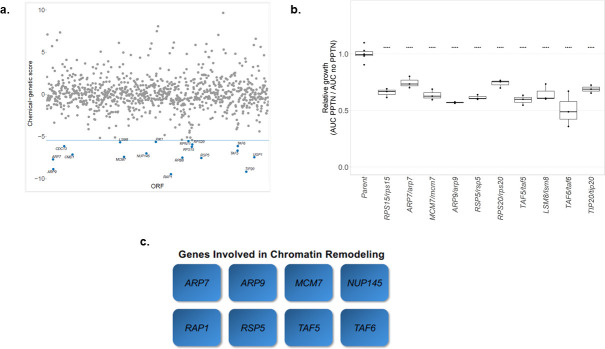 Figure 4
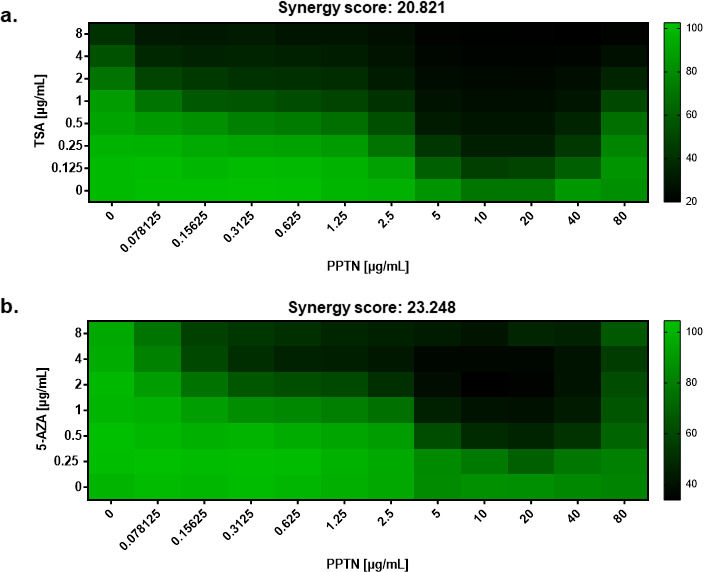 Figure 5
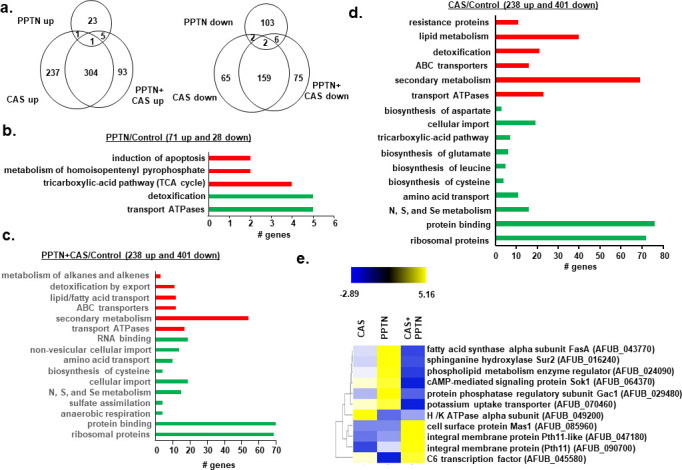 Figure 6
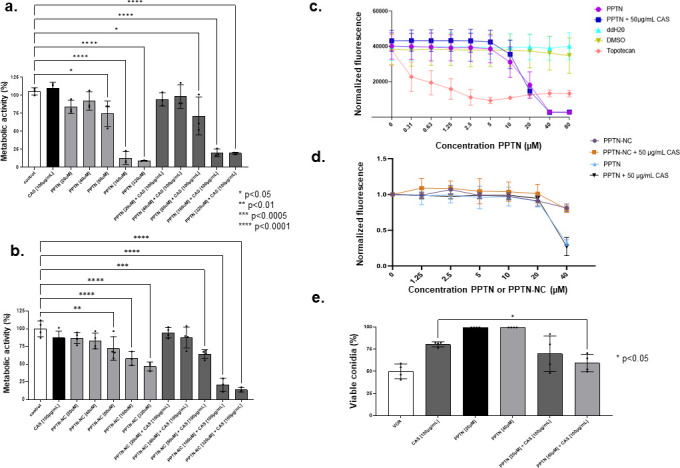 Figure 7
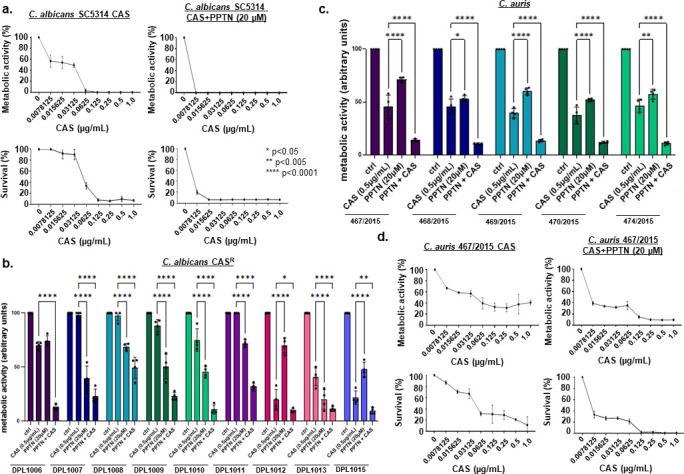 Figure 8
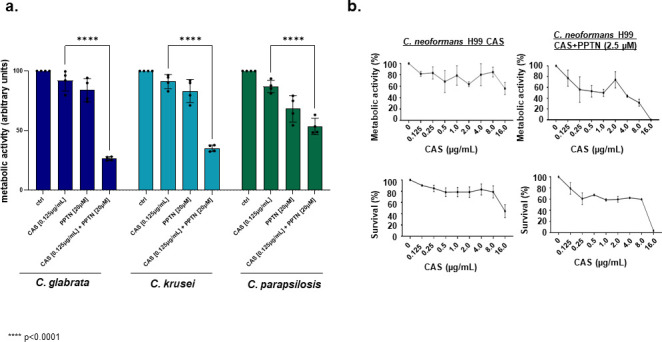 Figure 9
Peer Reviews
No public reviews on file for this paper yet. If you reviewed it on a platform where reviews are public (OpenReview, ICLR, NeurIPS, ICML), you can paste yours below so the community can read it here.
Videos
No videos yet. Explain this paper in a talk, walkthrough, or lecture? Add one.
Taxonomy
TopicsAntifungal resistance and susceptibility · Fungal Infections and Studies · Synthesis and Biological Evaluation