Double‐row suture‐bridge technique does not yield better clinical and radiological results than single‐row technique in patients older than 55 years at 2 years minimum follow‐up: A comparative study
Vito Gaetano Rinaldi, Sassoli Iacopo, Federico Coliva, Antongiulio Favero, Alberto Bazzocchi, Marco Miceli, Stefano Di Paolo, Stefano Zaffagnini, Giulio Maria Marcheggiani Muccioli

TL;DR
A study found that two rotator cuff repair techniques give similar results in patients over 55 after two years.
Contribution
The study compares long-term outcomes of two popular rotator cuff repair techniques in older patients.
Findings
Both single-row and double-row suture-bridge techniques showed similar clinical outcomes.
MRI results showed no significant difference in tendon healing between the two techniques.
Preoperative grades were more predictive of postoperative scores than repair technique.
Abstract
Arthroscopic rotator cuff repair has evolved, with suture anchor‐based techniques like single‐row (SR) and Double‐row Suture‐bridge (DRSB) gaining popularity. Despite improvements, early repair failures remain concerning, necessitating continued assessment of repair methods and devices' lasting impact. This study compares DRSB versus SR repairs at 24 months minimum follow‐up, hypothesizing superior clinical outcomes and improved tendon healing with DRSB techniques. Fifty patients with rotator cuff tears underwent either SR or DRSB repairs. Clinical evaluation included standardized scoring systems and strength testing. Magnetic Resonance Imaging (MRI) assessed tendon integrity. Partial cuff tears were evaluated according to Snyder's Southern California Orthopaedic Institute rotator cuff classification system, which classifies <2 cm lesions as C2 in its scoring system. Both groups…
Genes, proteins, chemicals, diseases, species, mutations and cell lines named across the full text — each resolved to its canonical identifier and authoritative record.
Click any figure to enlarge with its caption.
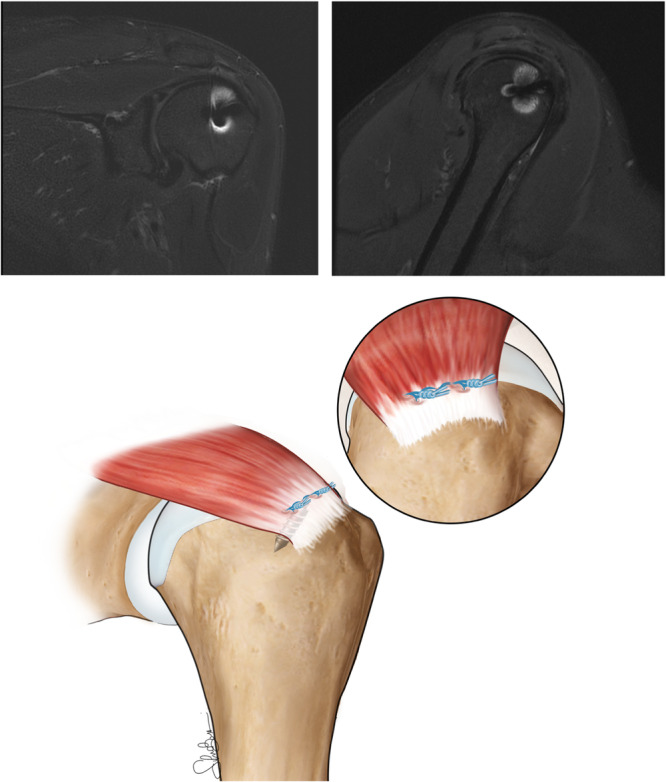 Figure 1
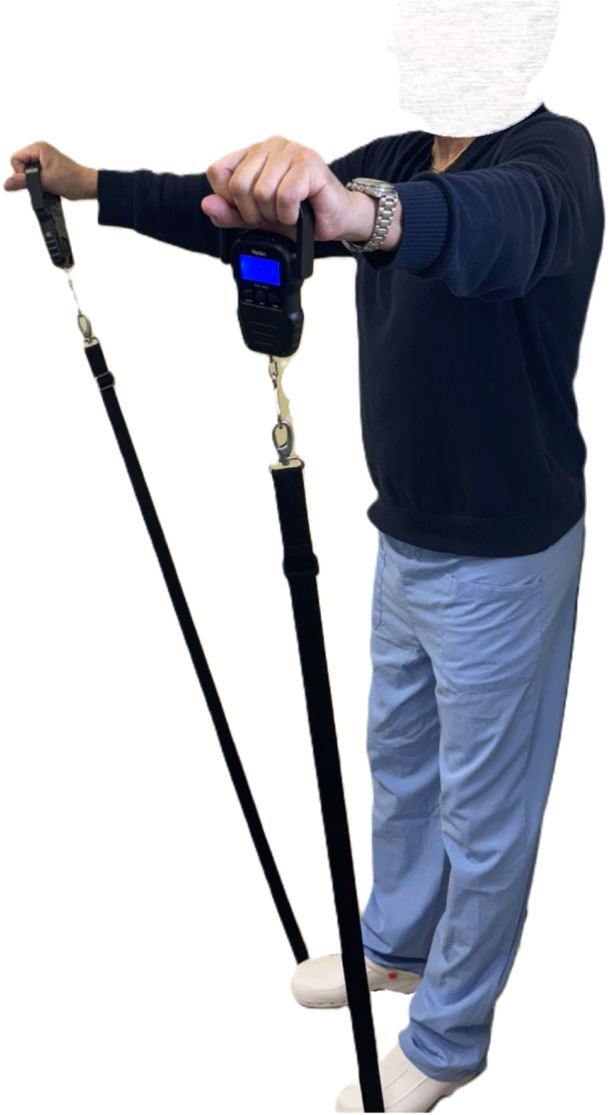 Figure 2
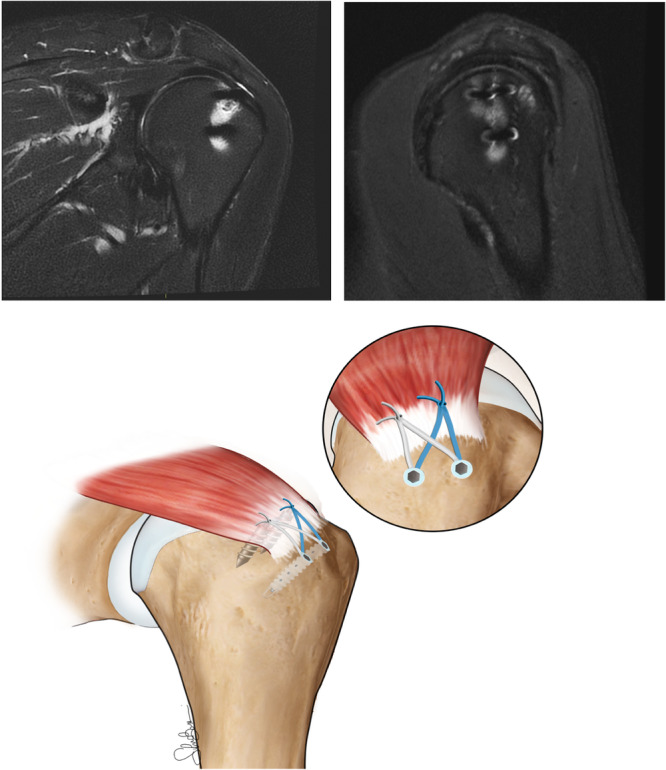 Figure 3
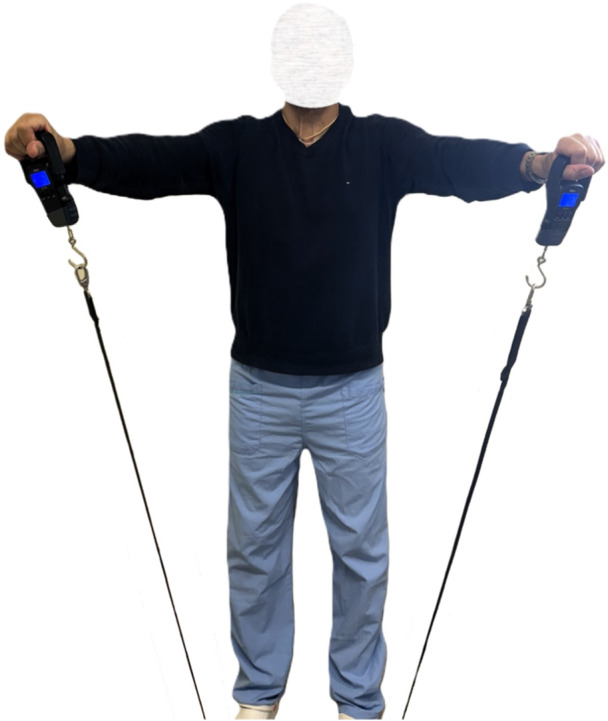 Figure 4
Peer Reviews
No public reviews on file for this paper yet. If you reviewed it on a platform where reviews are public (OpenReview, ICLR, NeurIPS, ICML), you can paste yours below so the community can read it here.
Videos
No videos yet. Explain this paper in a talk, walkthrough, or lecture? Add one.
Taxonomy
TopicsShoulder Injury and Treatment · Shoulder and Clavicle Injuries · Cardiac Valve Diseases and Treatments