Management of Refractory Bleeding at the Duodenal Bulb Post‐Trauma Using OTSC Combined With Interventional Embolization: A Case Report
Qing Chen, Shifeng Shao

TL;DR
A 39-year-old woman with severe bleeding from a stomach ulcer after trauma was successfully treated using a combination of a special clip and embolization.
Contribution
Demonstrates the effectiveness of combining OTSC and embolization for post-traumatic ulcer bleeding.
Findings
OTSC placement combined with embolization successfully controlled the bleeding.
The treatment prevented rebleeding and improved patient outcomes.
This approach may be a viable option for refractory post-traumatic gastrointestinal bleeding.
Abstract
Multiple traumas can lead to acute gastrointestinal mucosal erosion or ulcers, typically presenting as upper gastrointestinal bleeding, while perforation occurs rarely. Rebleeding poses a serious threat to life. Standard treatments include endoscopic electrocoagulation, tissue adhesives, and titanium clips. We report a case of a 39‐year‐old woman with post‐traumatic stress ulcer bleeding successfully managed using a combination of over‐the‐scope clip (OTSC) placement and interventional embolization. This case demonstrates the effectiveness of OTSC combined with embolization in controlling post‐traumatic ulcer bleeding and preventing recurrence.
Genes, proteins, chemicals, diseases, species, mutations and cell lines named across the full text — each resolved to its canonical identifier and authoritative record.
Click any figure to enlarge with its caption.
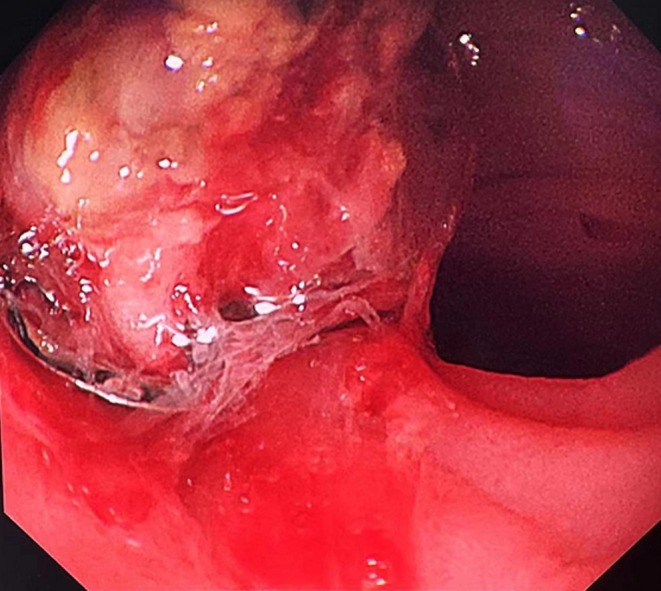 Figure 1
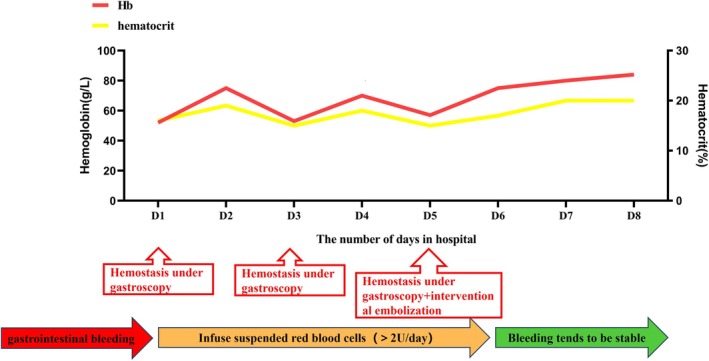 Figure 2
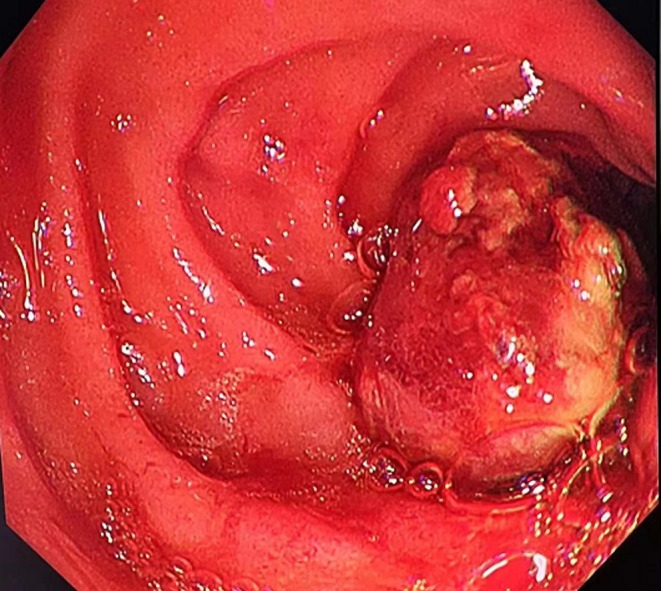 Figure 3
Peer Reviews
No public reviews on file for this paper yet. If you reviewed it on a platform where reviews are public (OpenReview, ICLR, NeurIPS, ICML), you can paste yours below so the community can read it here.
Videos
No videos yet. Explain this paper in a talk, walkthrough, or lecture? Add one.
Taxonomy
TopicsGastrointestinal Bleeding Diagnosis and Treatment · Esophageal and GI Pathology · Hemostasis and retained surgical items