Comprehensive physicochemical, biophysical, and in vitro characterization of lung surfactant SP-A peptidomimetics
David Encinas-Basurto, Priya Muralidharan, M. D. Saiful Islam, Ernest L. Vallorz, Stephen M. Black, Monica Kraft, Julie G. Ledford, Heidi M. Mansour

TL;DR
This study examines two SP-A-derived peptides and their physicochemical properties, showing they are stable and biocompatible, making them potential candidates for treating lung diseases.
Contribution
The study provides a comprehensive characterization of SP-A-derived peptides in different salt forms, revealing their structural behavior and biocompatibility.
Findings
Phosphate and acetate salts of SP-A peptides show distinct solubility and log P partitioning behavior.
SP-A 10-AA adopts an α-helical structure initially but loses it over time, while SP-A 20-AA remains disordered.
In vitro studies confirm high cell viability and stable TEER values, indicating biocompatibility and epithelial permeability.
Abstract
Surfactant protein-A (SP-A) is an endogenous and essential lung surfactant-specific protein that is integral to pulmonary immunity, including inhibition of asthma exacerbations. This study aims to comprehensively characterize two peptides (10-AA and 20-AA) of SP-A which confer activity similar to the full-length oligomeric SP-A protein. Spectroscopic and chromatographic analyses revealed that the phosphate (PS) and acetate (AC) salts exhibited distinct solubility and log P partitioning behavior, impacting their physicochemical properties. MD simulations and circular dichroism showed that SP-A 10-AA initially adopts an α-helical structure but loses helicity over time, while SP-A 20-AA remains disordered. Differential scanning calorimetry confirmed variations in thermal stability between salt forms and zeta potential measurements showed that PS salts had a more negative surface charge,…
Genes, proteins, chemicals, diseases, species, mutations and cell lines named across the full text — each resolved to its canonical identifier and authoritative record.
Click any figure to enlarge with its caption.
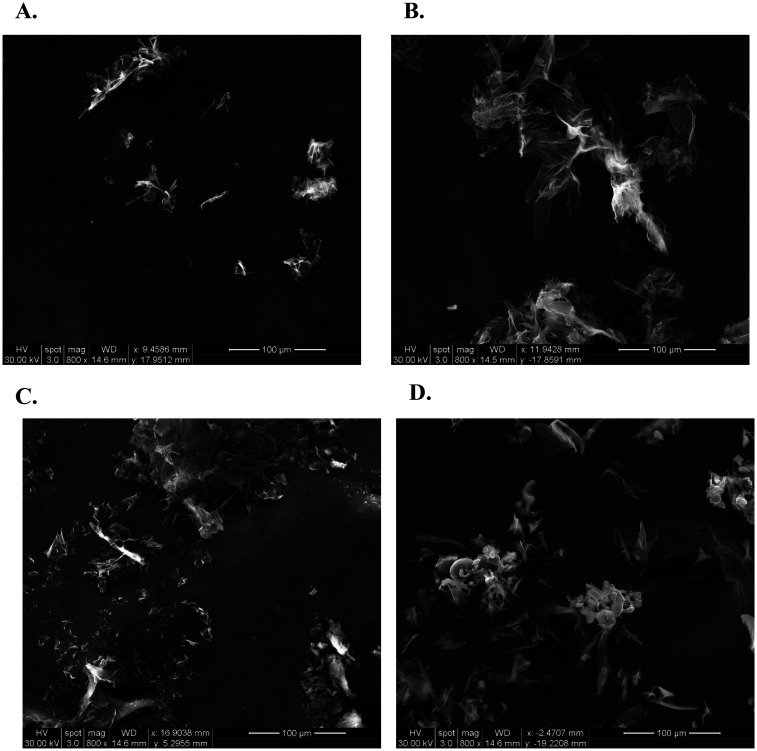 Figure 1
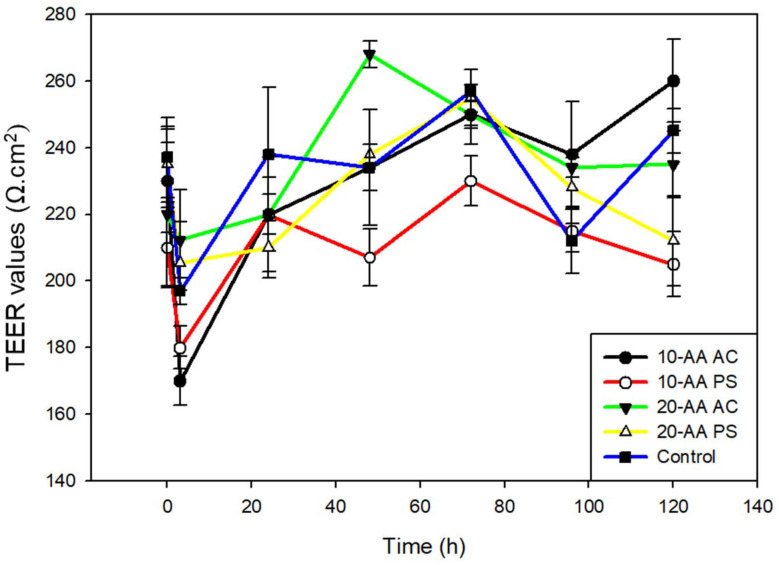 Figure 2
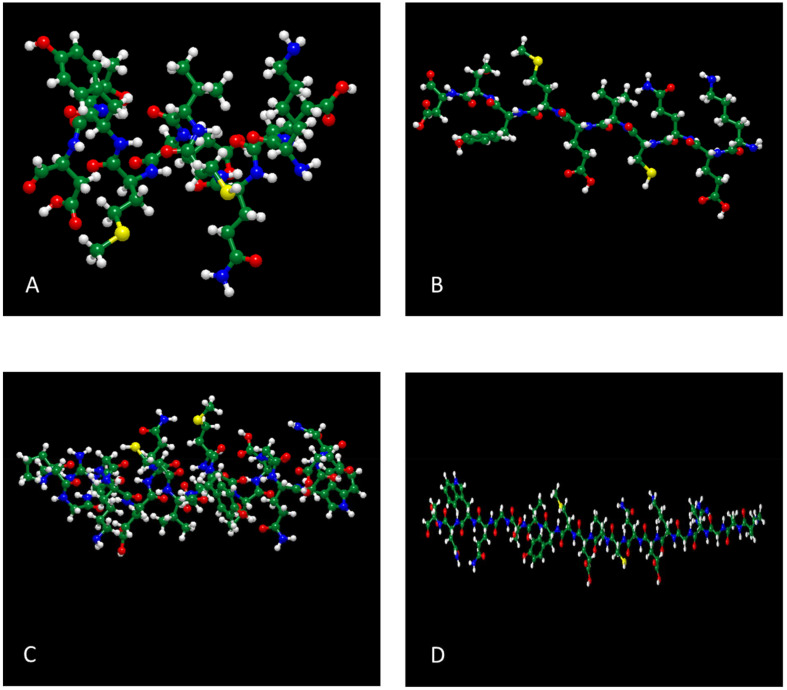 Figure 3
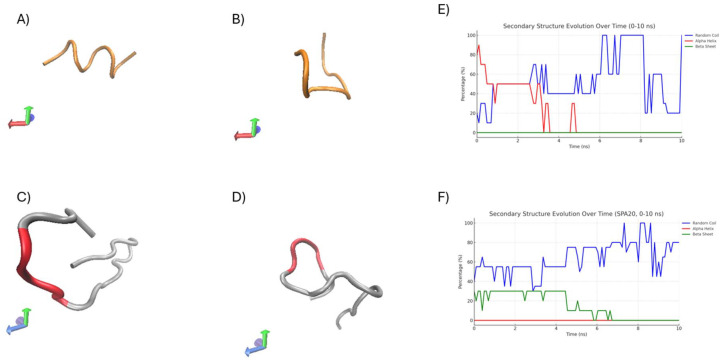 Figure 4
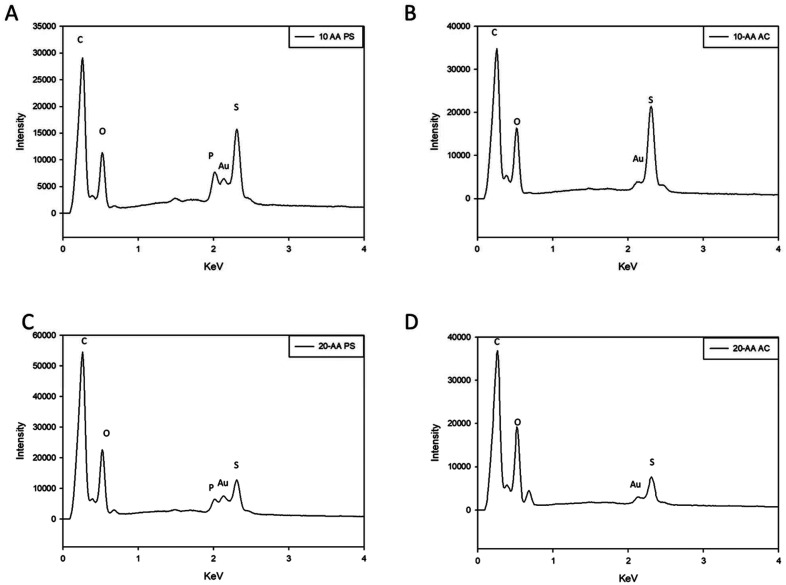 Figure 5
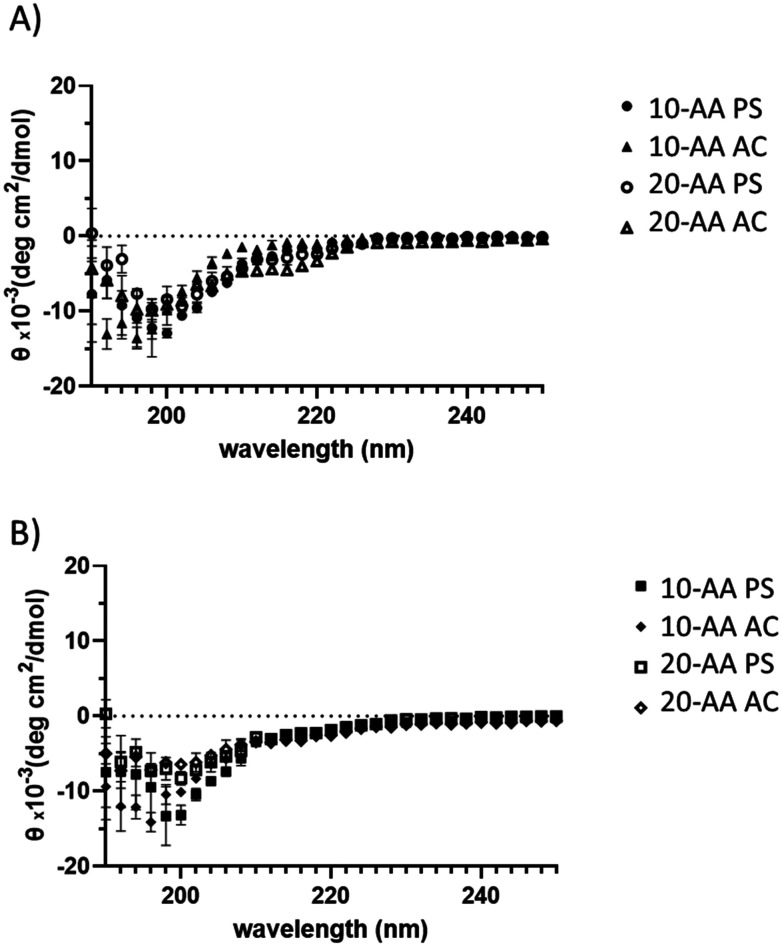 Figure 6
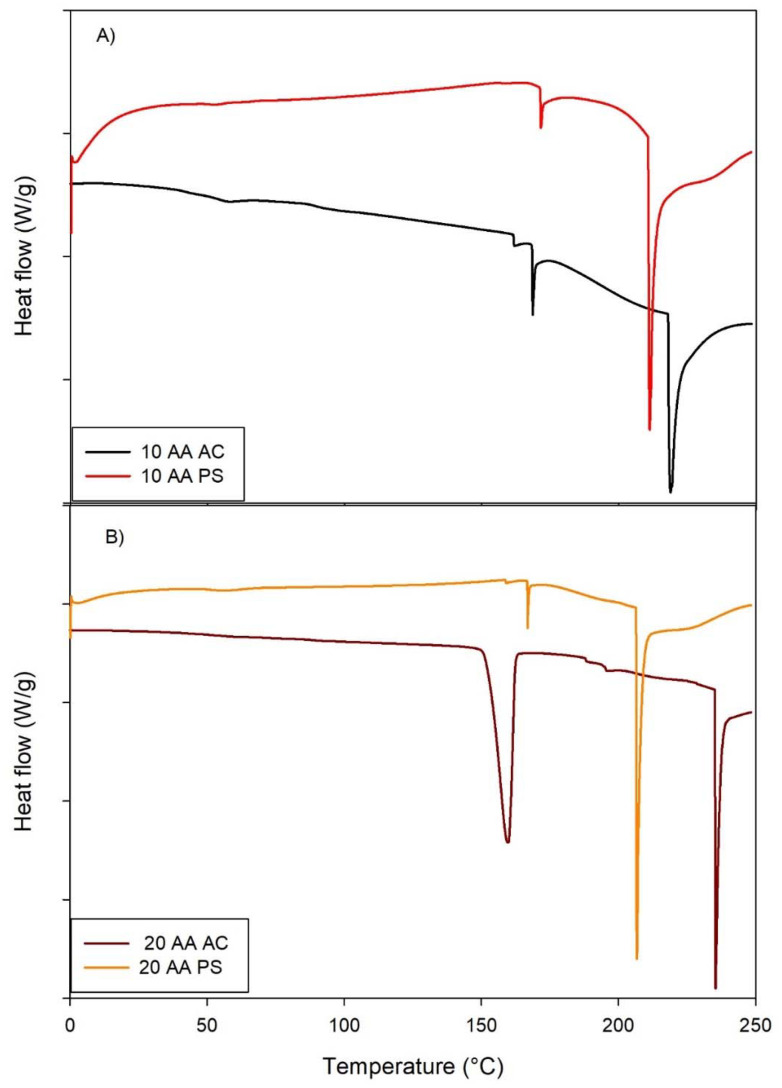 Figure 7
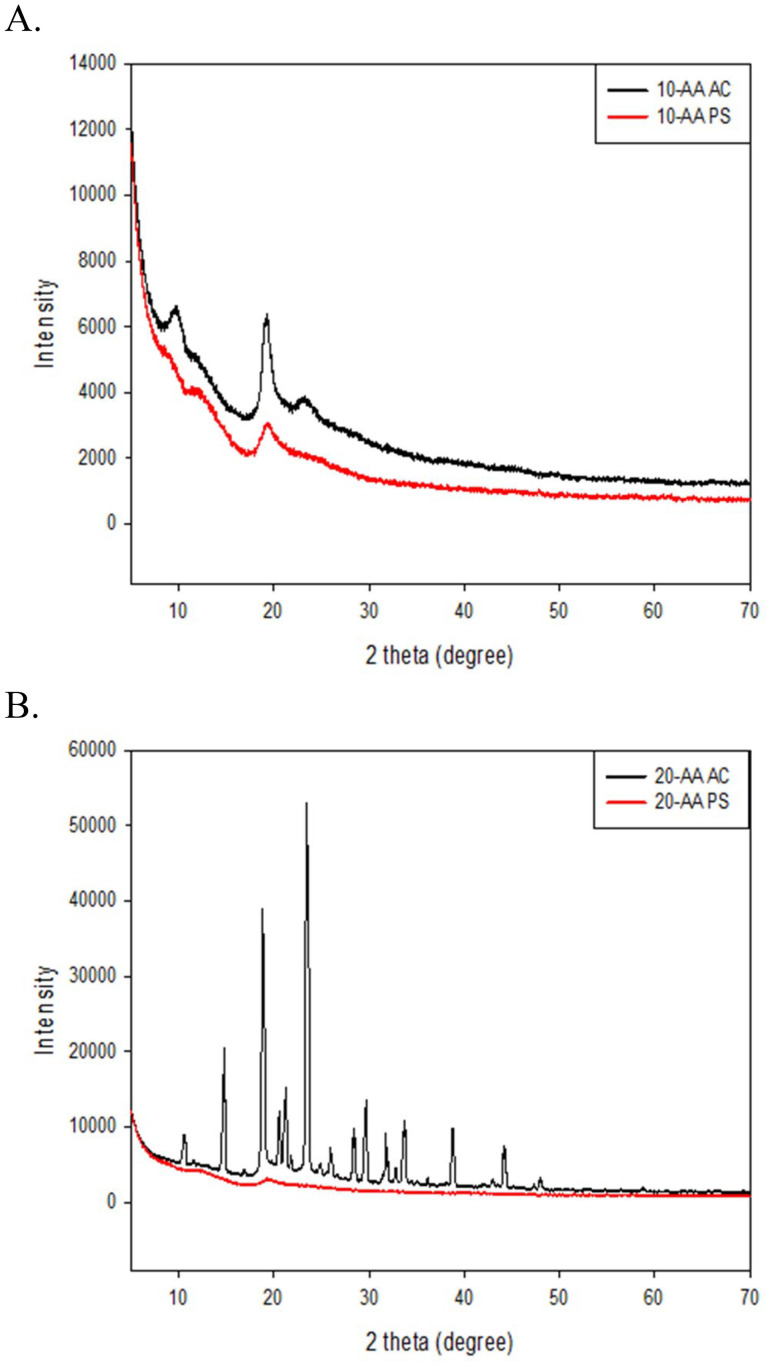 Figure 8
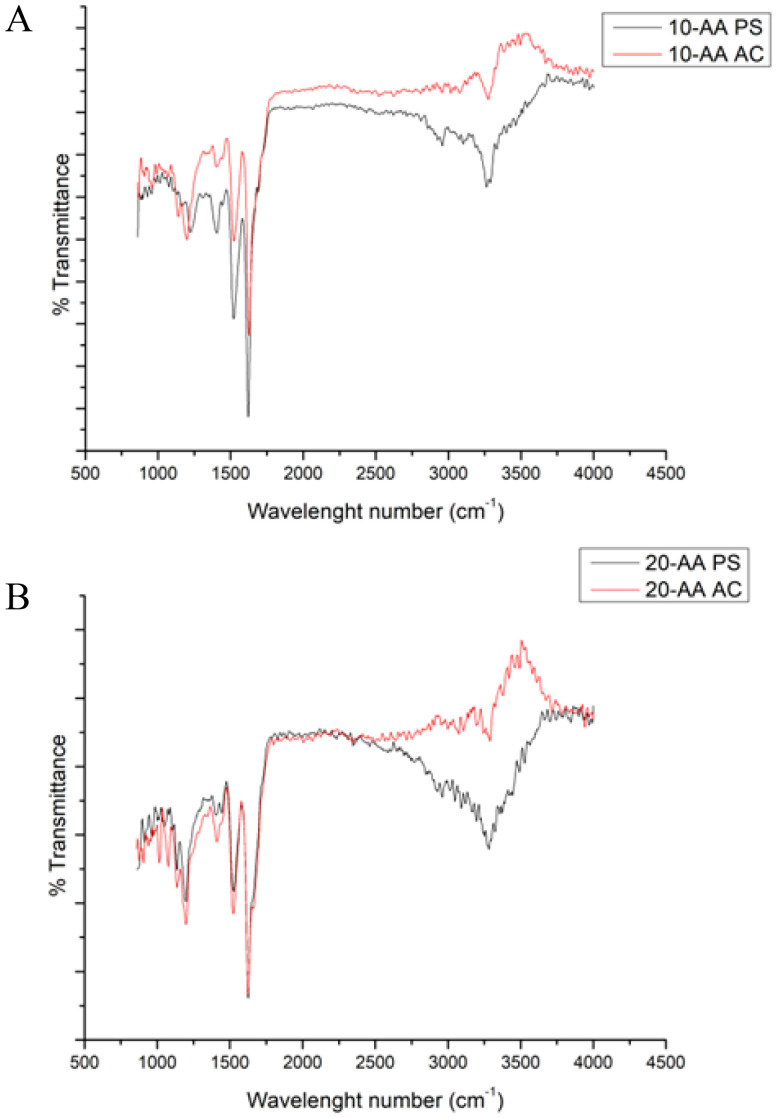 Figure 9
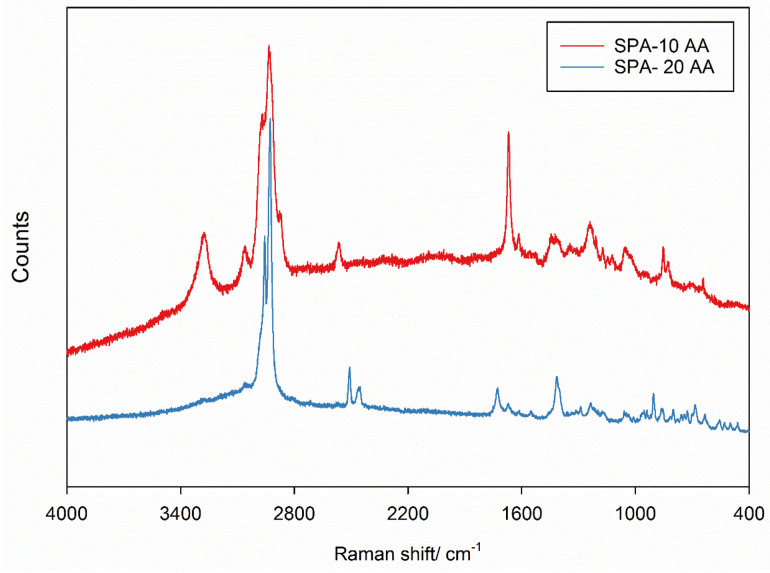 Figure 10
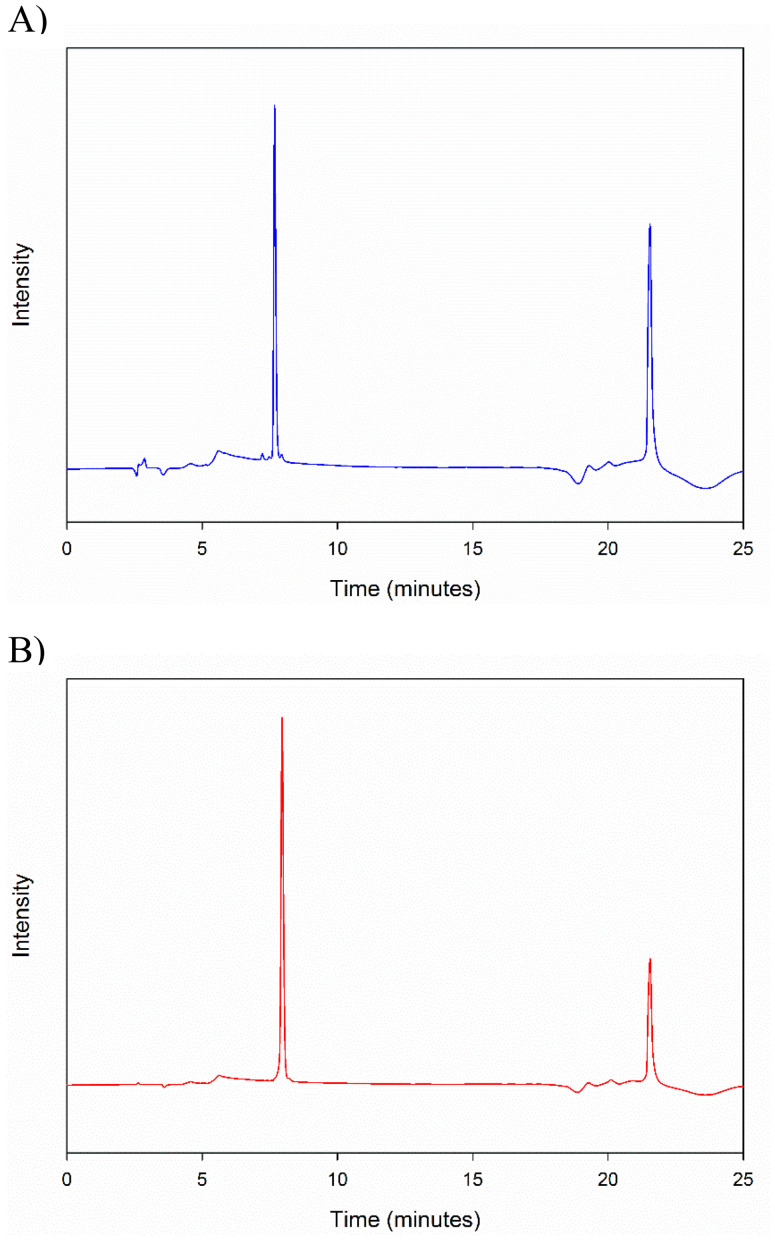 Figure 11
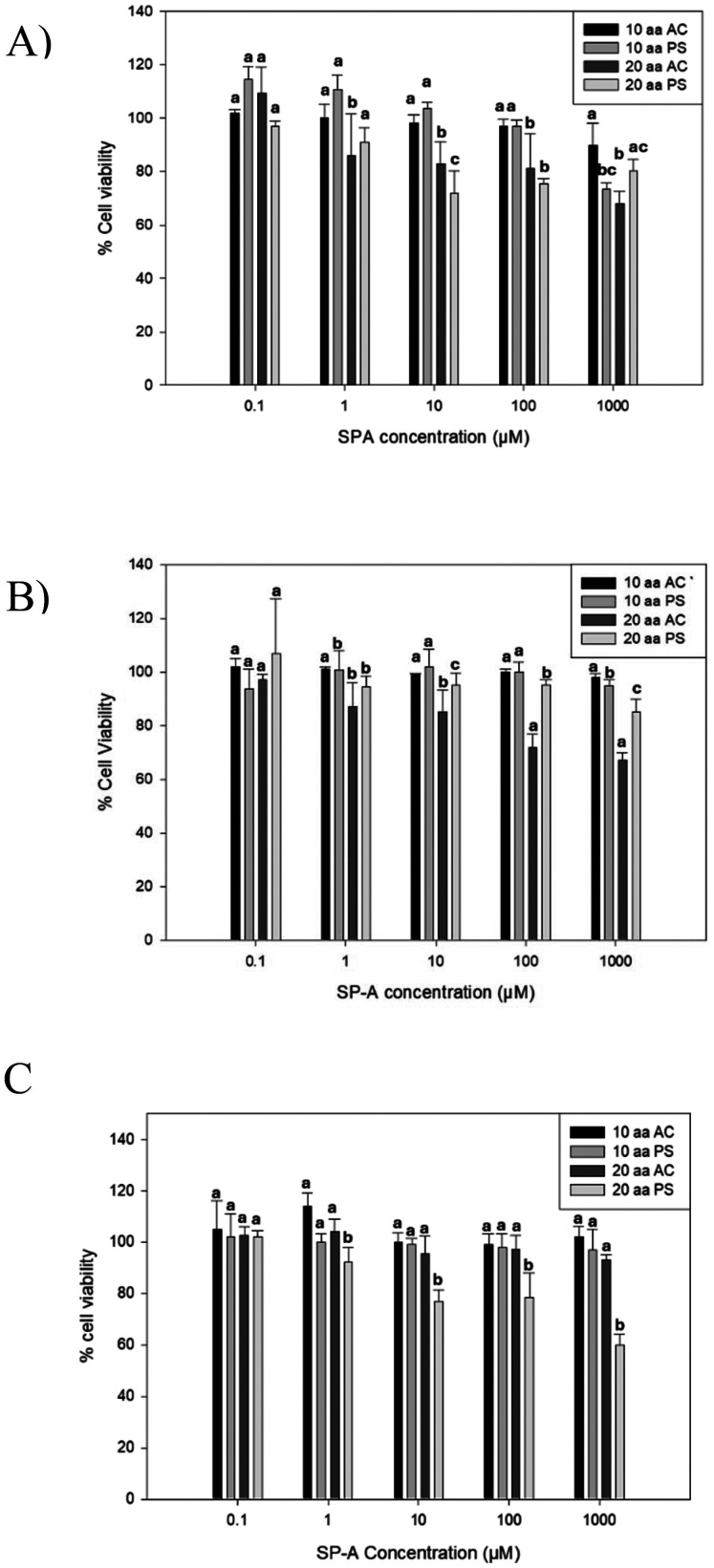 Figure 12
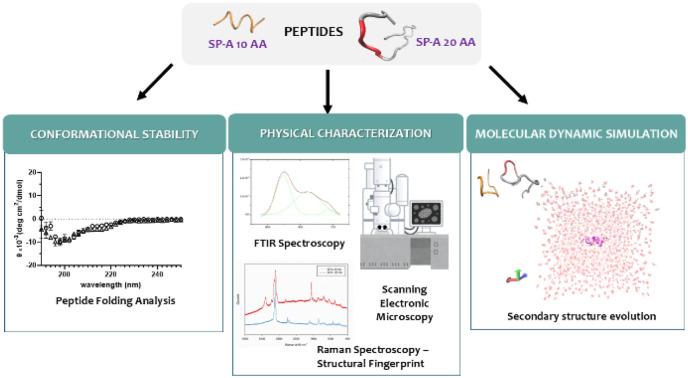 Figure 13
 Figure 14
Peer Reviews
No public reviews on file for this paper yet. If you reviewed it on a platform where reviews are public (OpenReview, ICLR, NeurIPS, ICML), you can paste yours below so the community can read it here.
Videos
No videos yet. Explain this paper in a talk, walkthrough, or lecture? Add one.
Taxonomy
TopicsInhalation and Respiratory Drug Delivery · Neonatal Respiratory Health Research · Mass Spectrometry Techniques and Applications