Sodium aescinate promotes apoptosis of pancreatic stellate cells and alleviates pancreatic fibrosis by inhibiting the PI3K/Akt/FOXO1 signaling pathways
Qing-Yun Wang, Bai-Yan Xu, Yi Wang, Yan-Mei Lin, Lin-Fu Zheng, Gang Liu, Da-Zhou Li, Chuan-Shen Jiang, Wen Wang, Xiang-Peng Zeng

TL;DR
Sodium aescinate may help treat chronic pancreatitis by reducing inflammation and fibrosis through a key cell signaling pathway.
Contribution
This study identifies a new therapeutic potential of sodium aescinate in treating chronic pancreatitis.
Findings
Sodium aescinate alleviates pancreatic inflammation and fibrosis in a mouse model of chronic pancreatitis.
Sodium aescinate inhibits PSC proliferation and promotes apoptosis via the PI3K/Akt/FOXO1 signaling pathway.
RNA sequencing and in vitro experiments confirm the role of the PI3K/Akt/FOXO1 pathway in SA's effects.
Abstract
Chronic pancreatitis (CP) is an inflammatory disease of progressive pancreatic fibrosis, and pancreatic stellate cells (PSCs) are key cells involved in pancreatic fibrosis. To date, there are no clinical therapies available to reverse inflammatory damage or pancreatic fibrosis associated with CP. Sodium Aescinate (SA) is a natural mixture of triterpene saponins extracted from the dried and ripe fruits of horse chestnut tree. It has been shown to have anti-inflammatory and anti-edematous effects. This study aims to explore the therapeutic potential of SA in CP and the molecular mechanism of its modulation. Through in vivo animal models and experiments, we found that SA significantly alleviated pancreatic inflammation and fibrosis in caerulein-induced CP mice model. In addition, SA inhibited the proliferation, migration and activation of PSCs as well as promoted apoptosis of PSCs through…
Genes, proteins, chemicals, diseases, species, mutations and cell lines named across the full text — each resolved to its canonical identifier and authoritative record.
Click any figure to enlarge with its caption.
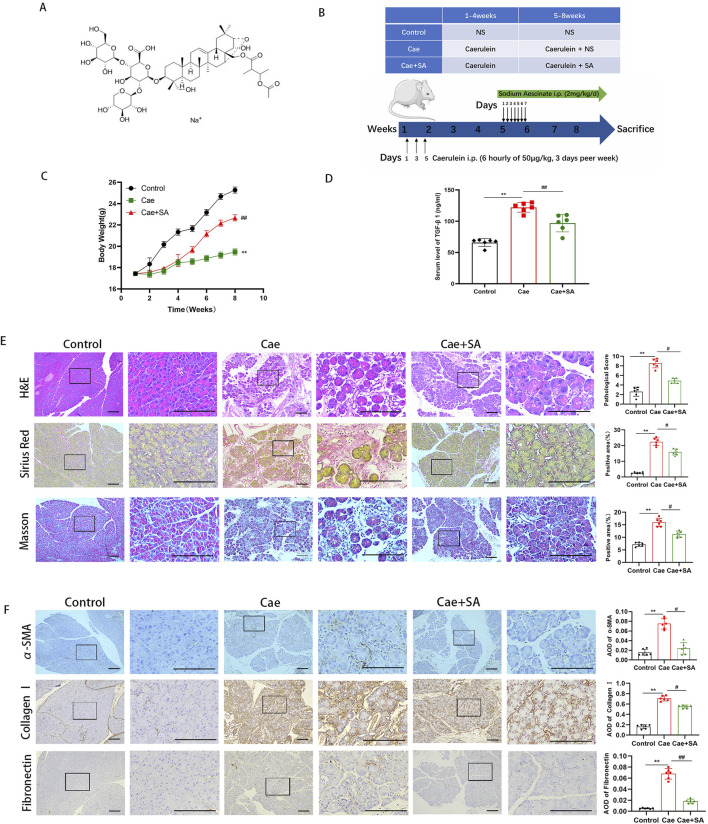 Figure 1
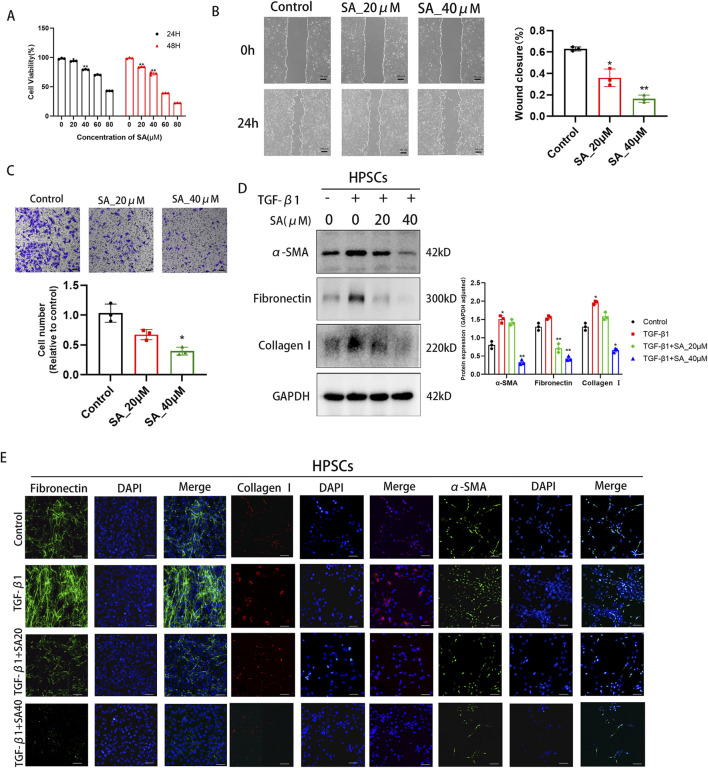 Figure 2
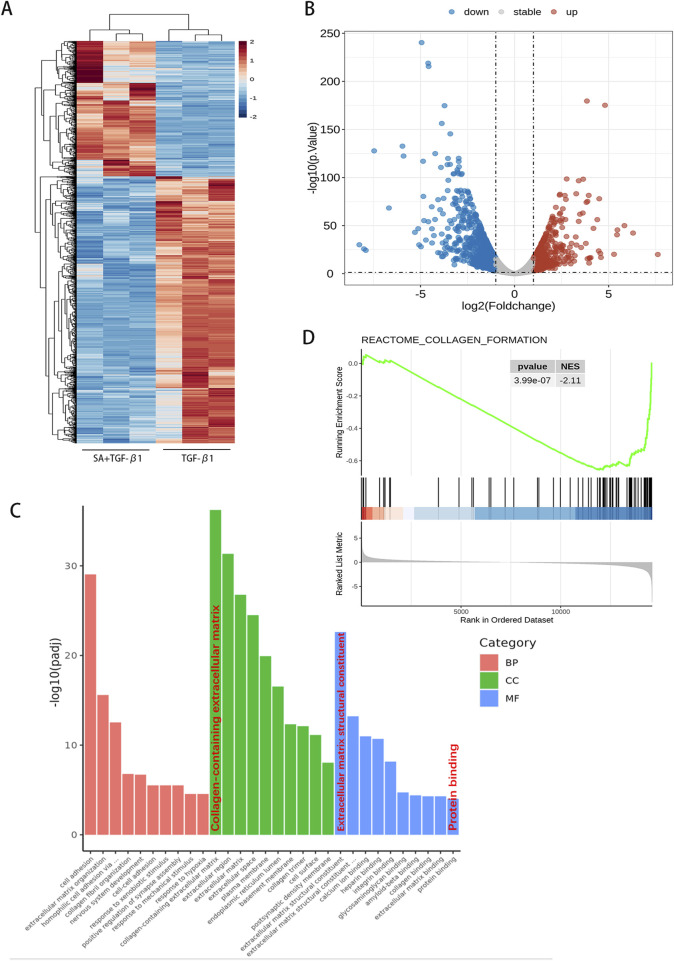 Figure 3
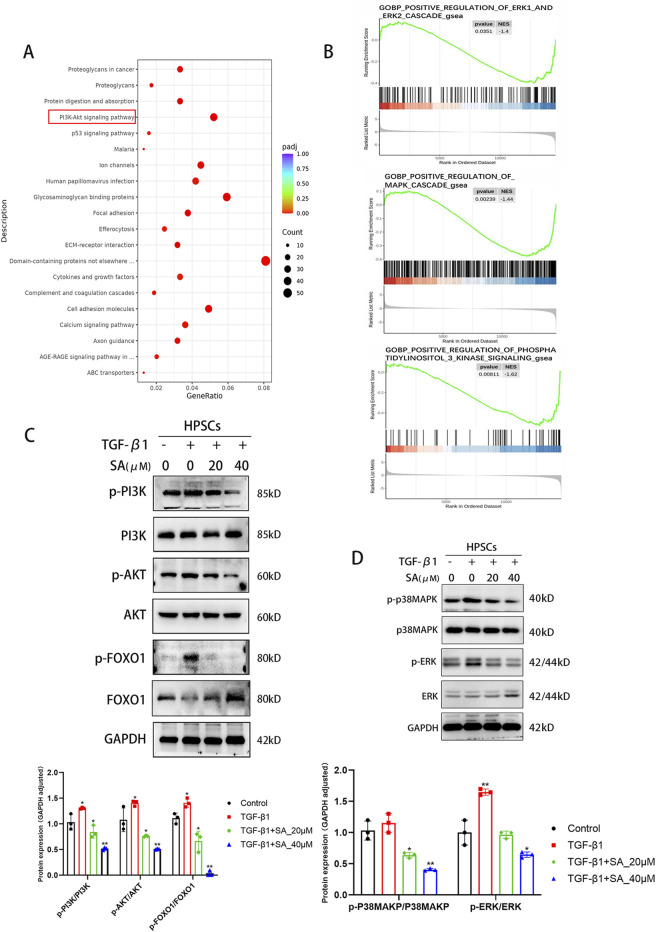 Figure 4
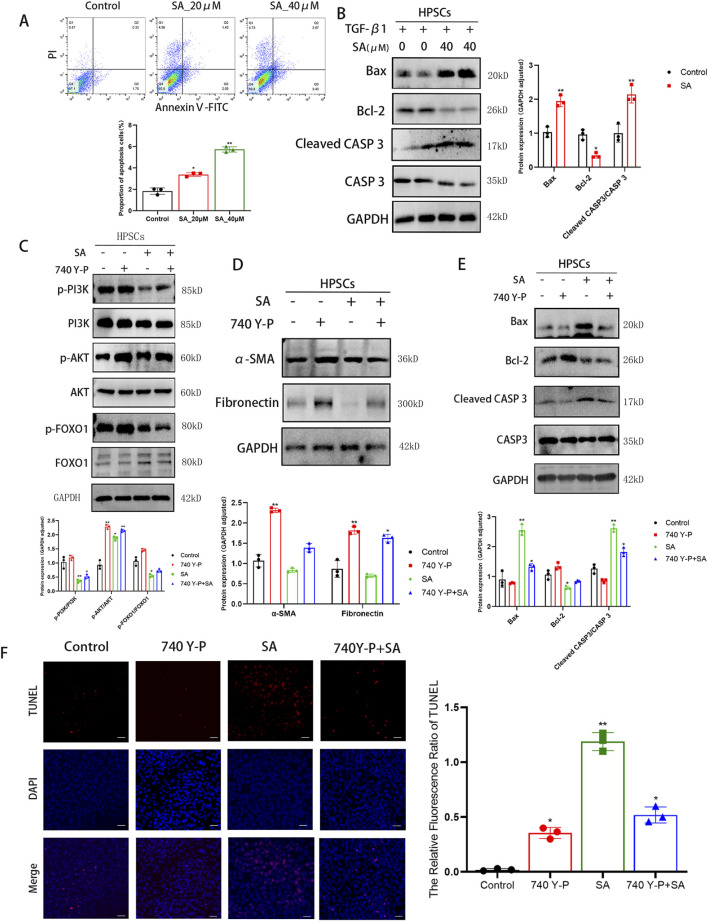 Figure 5
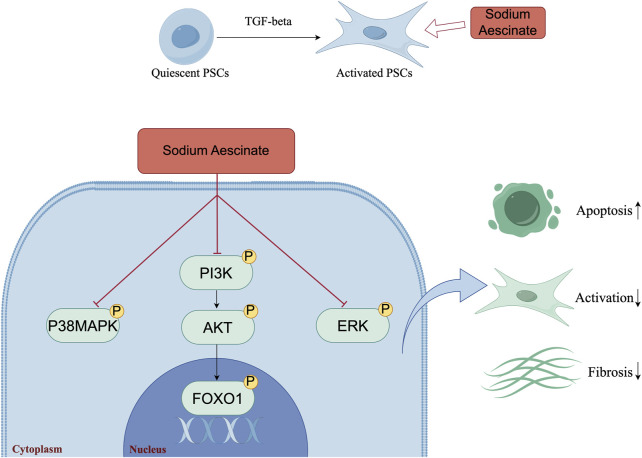 Figure 6
Peer Reviews
No public reviews on file for this paper yet. If you reviewed it on a platform where reviews are public (OpenReview, ICLR, NeurIPS, ICML), you can paste yours below so the community can read it here.
Videos
No videos yet. Explain this paper in a talk, walkthrough, or lecture? Add one.
Taxonomy
TopicsPancreatitis Pathology and Treatment · FOXO transcription factor regulation · Lipid metabolism and disorders