Effect of propinox and pinaverium bromide on ex vivo colonic motor patterns and their synergistic effect with hyoscine butyl bromide
Sara Traserra, Luis Gerardo Alcalá-González, Claudia Barber, Stefania Landolfi, Carolina Malagelada, Robert Lange, Terence Appelqvist, Maura Corsetti, Marcel Jimenez

TL;DR
This study investigates how two drugs, pinaverium bromide and propinox, affect colon muscle contractions and how they work better together with another drug called hyoscine butyl bromide.
Contribution
The study reveals the pharmacological profile of pinaverium bromide and propinox and demonstrates their synergistic effects with hyoscine butyl bromide in inhibiting colonic contractions.
Findings
Pinaverium bromide and propinox reduced spontaneous and carbachol-induced contractions in colon muscle layers.
Combining these drugs with hyoscine butyl bromide synergistically inhibited contractile responses.
The drugs showed an L-type calcium channel blocker profile with minimal antimuscarinic effects.
Abstract
Antispasmodic agents are used to treat abdominal pain. The mode of action of pinaverium bromide and propinox in the colonic tissue has never been characterized. This study aimed to explore whether HBB can complement the antispasmodic effects of these drugs. Colon samples were procured from the macroscopically normal regions of 33 patients undergoing colon cancer surgery and subjected to muscle bath experiments. Pinaverium bromide and propinox alone and in combination with HBB were assessed under the following conditions: (1) spontaneous phasic contractions (SPCs) induced by isometric stretch (with 1 µM tetrodotoxin); (2) contractility induced by 10–5 M carbachol; (3) the electrical field stimulation (EFS) of the excitatory pathway (in the presence of 1 mM Nω-nitro-L-arginine and 10 µM MRS2179); and (4) an EFS-induced selective excitation of the inhibitory pathway (under nonadrenergic,…
Genes, proteins, chemicals, diseases, species, mutations and cell lines named across the full text — each resolved to its canonical identifier and authoritative record.
Click any figure to enlarge with its caption.
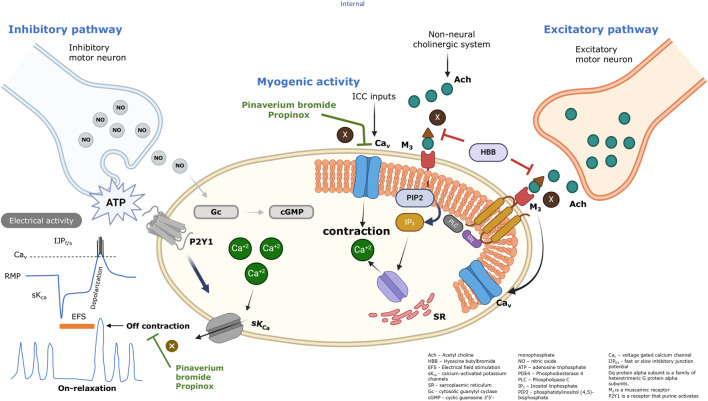 Figure 1
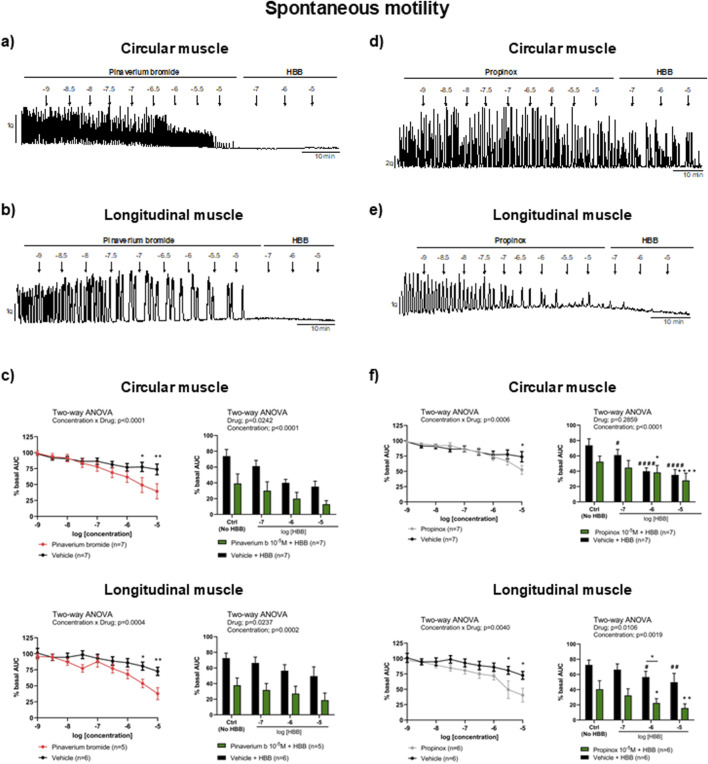 Figure 2
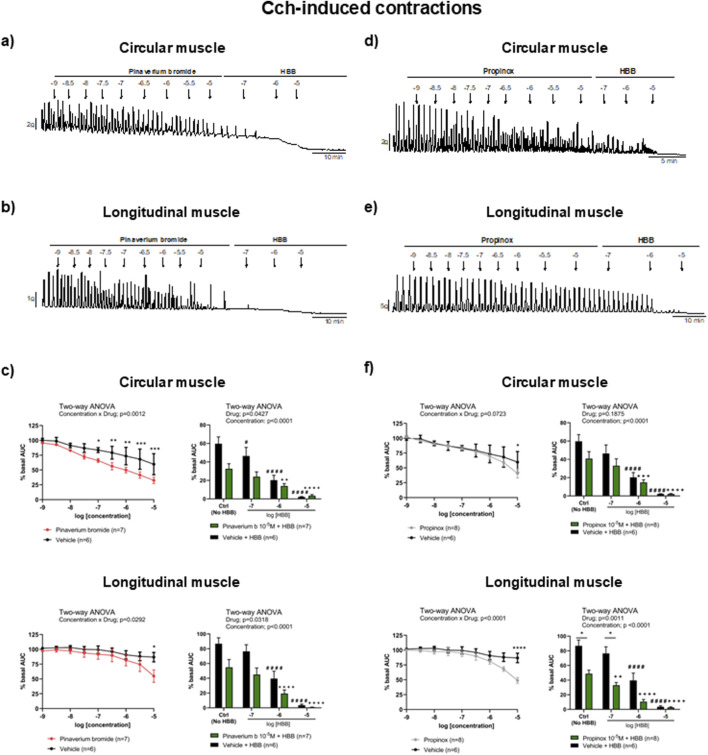 Figure 3
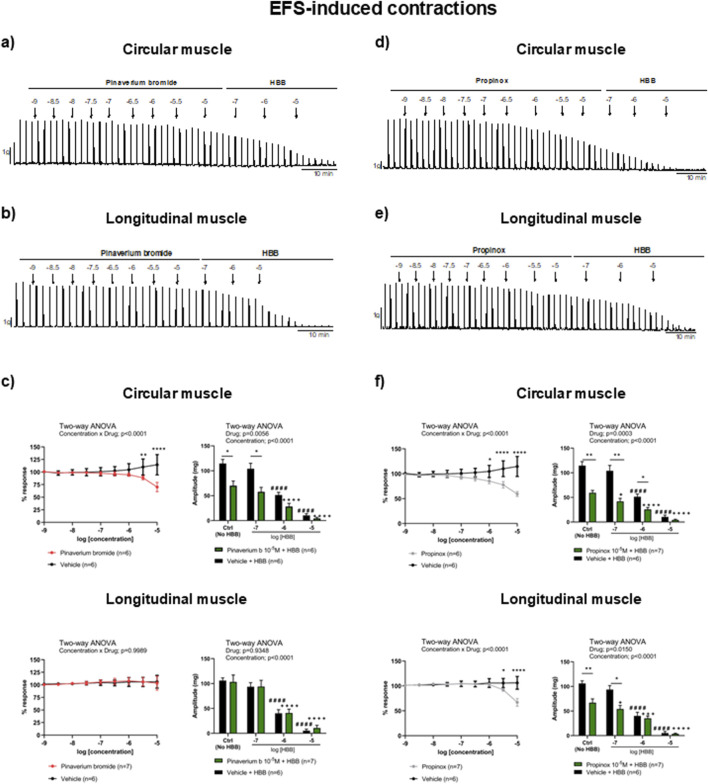 Figure 4
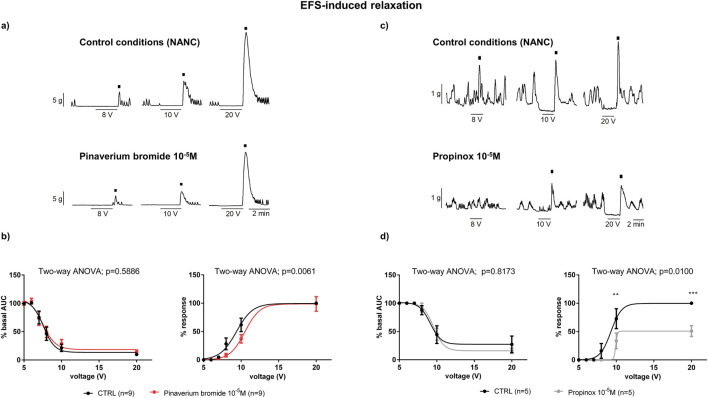 Figure 5
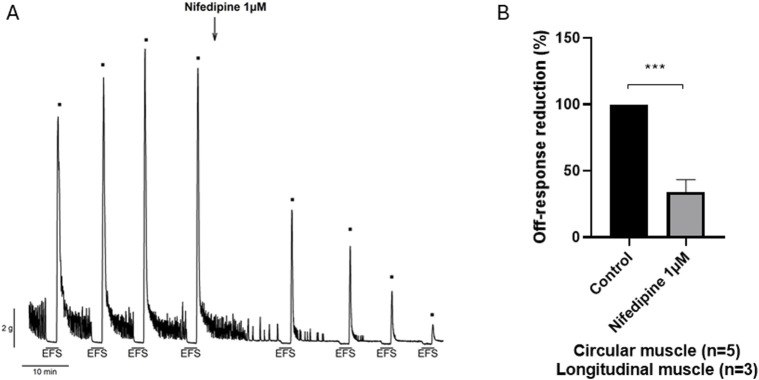 Figure 6
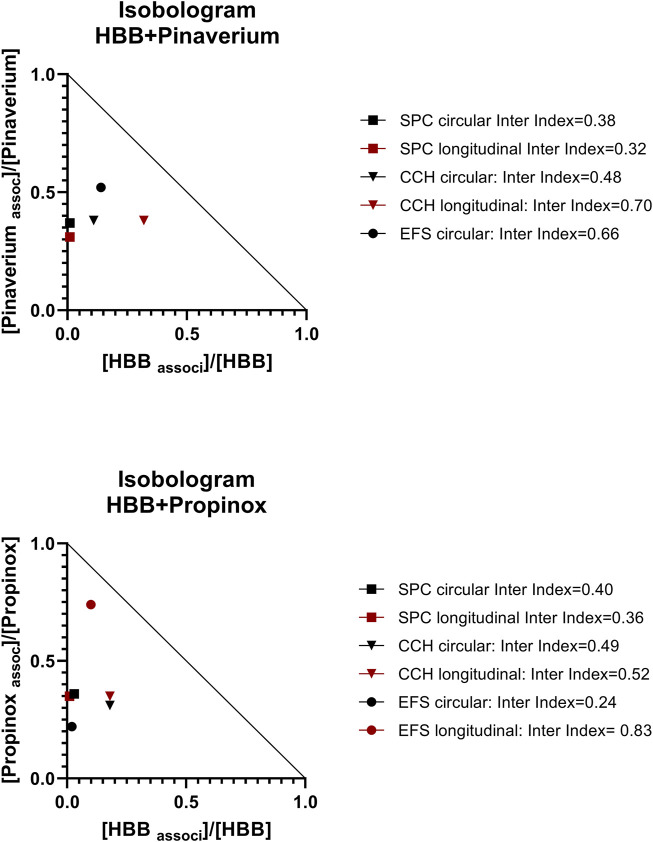 Figure 7
Peer Reviews
No public reviews on file for this paper yet. If you reviewed it on a platform where reviews are public (OpenReview, ICLR, NeurIPS, ICML), you can paste yours below so the community can read it here.
Videos
No videos yet. Explain this paper in a talk, walkthrough, or lecture? Add one.
Taxonomy
TopicsGastrointestinal motility and disorders · Infant Health and Development · Gastroesophageal reflux and treatments