Identification of Significant Mutations in Spike Protein of SARS-CoV-2 Variants of Concern and the Discovery of Potent Inhibitors
Mohsen Almakrami, Mohammed Bazuqamah, Mohammed A. Alshehri, Abdulaziz M. S. Alqahtani, Sultan F. Kadasah, Naif Harthi, Rami Ali Alyami, Abdulmajeed Alqurashi, Abdulhadi A. Al Ruwaithi

TL;DR
This study identifies key mutations in the spike protein of SARS-CoV-2 variants and discovers two promising drug candidates that could target the virus and its omicron variant.
Contribution
The study identifies shared mutations in SARS-CoV-2 spike proteins and proposes two potent inhibitors through computational docking analysis.
Findings
AZ_2 and AZ_13 showed strong binding affinity to the SARS-CoV-2 spike protein based on docking scores and interactions.
Shared mutations in the spike region of omicron and other variants were identified and structurally compared.
The proposed compounds could serve as potential remedies against SARS-CoV-2 and its omicron variant.
Abstract
Background: SARS-CoV-2 is a positive-sense single-stranded RNA virus that has a propensity for infecting epithelial cells and the respiratory system. The two important proteins, structural and nonstructural proteins, make the architecture of this virus. Aim: This research aimed at studying significant mutations in spike protein of SARS-CoV-2 variants of concern (VoCs) and finding shared mutations among omicron and other four variants (alpha, beta, gamma, and delta). The purpose of this study was to draw structural comparisons between wild type and mutant proteins, followed by identifying potent inhibitors (ligand) that could be used against SARS-CoV-2 spike protein and its latest omicron VoC. Methodology: In this research, we had studied 16 major mutations as well as shared mutations (6) present in spike region of SARS-CoV-2. Subsequently, we determined the structure of the wild-type…
Genes, proteins, chemicals, diseases, species, mutations and cell lines named across the full text — each resolved to its canonical identifier and authoritative record.
Click any figure to enlarge with its caption.
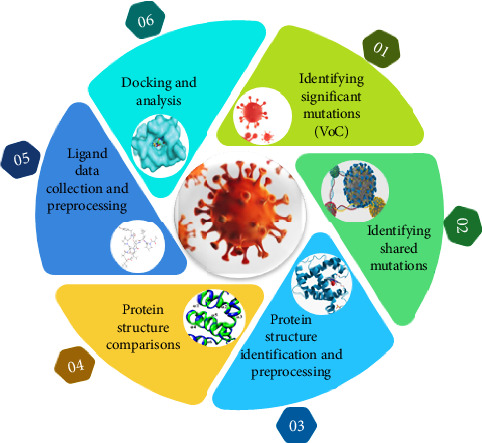 Figure 1
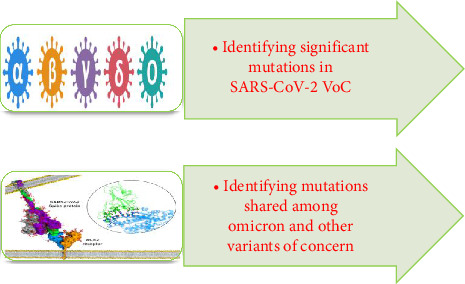 Figure 2
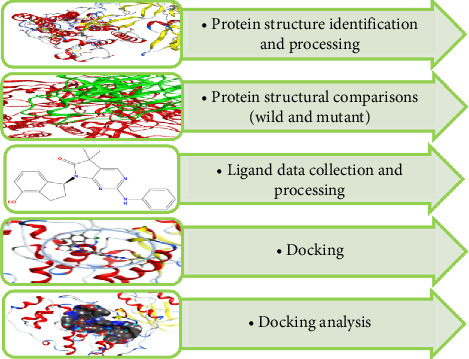 Figure 3
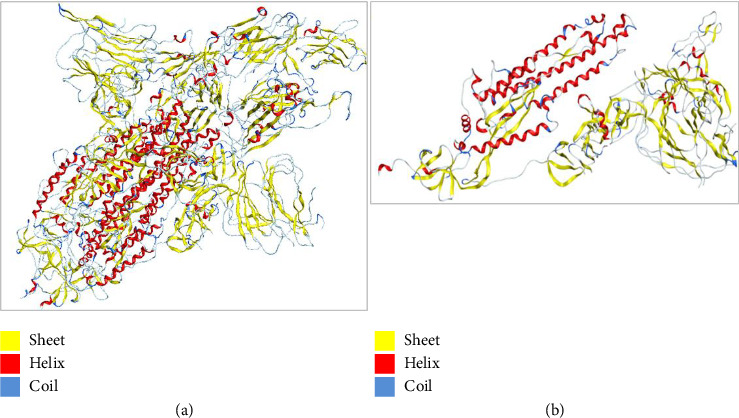 Figure 4
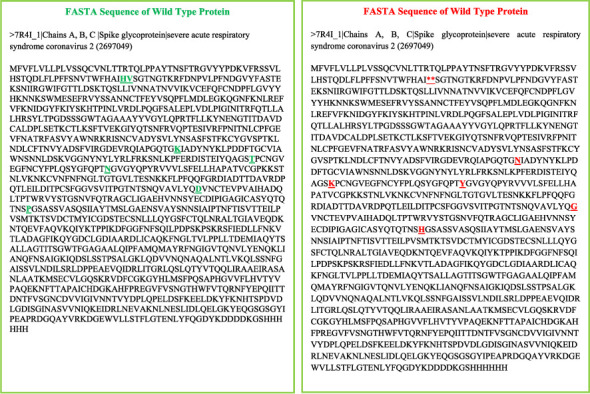 Figure 5
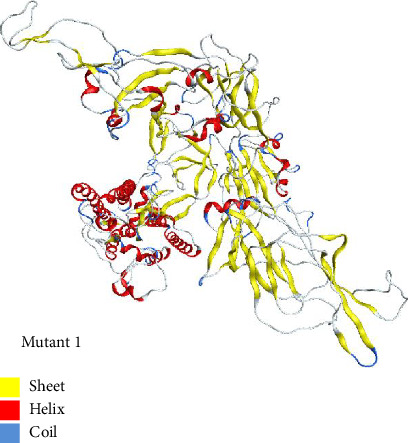 Figure 6
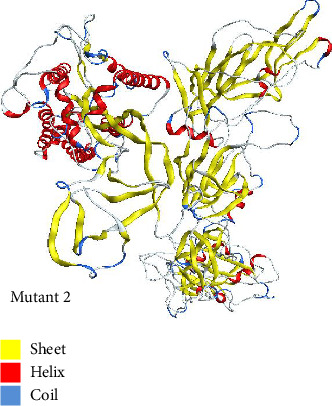 Figure 7
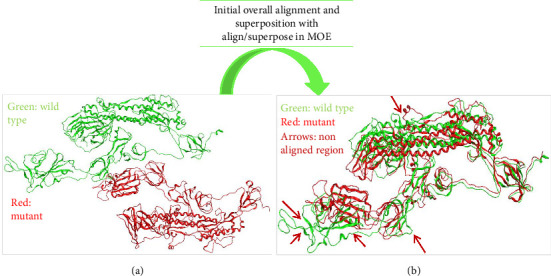 Figure 8
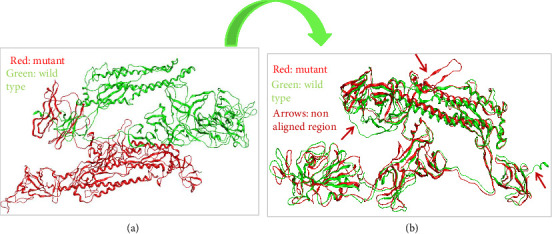 Figure 9
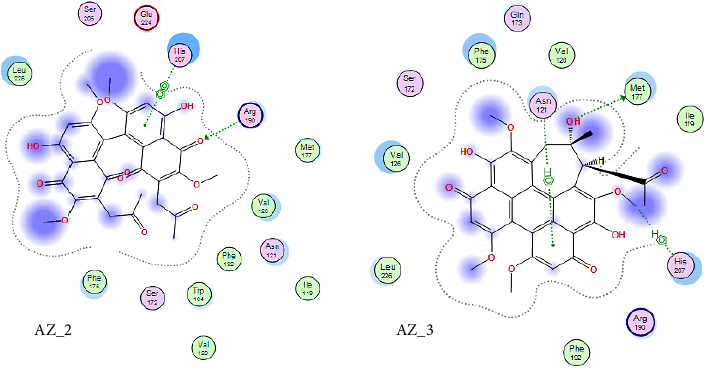 Figure 10
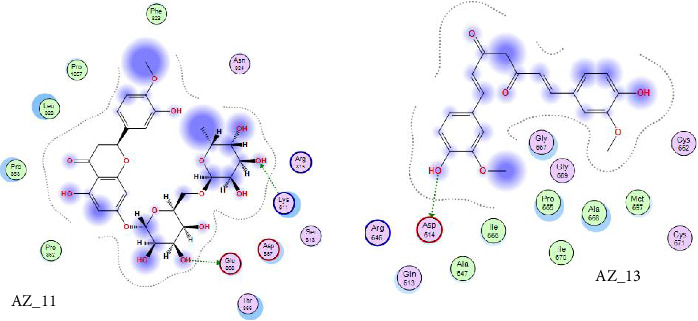 Figure 11
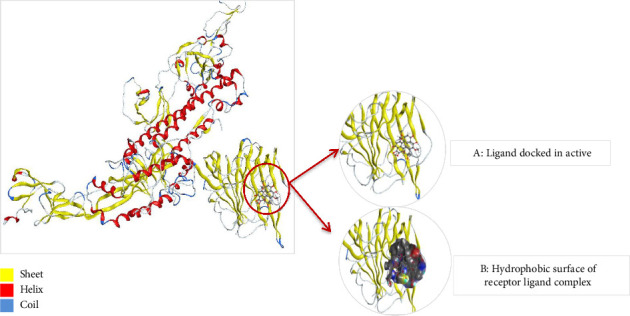 Figure 12
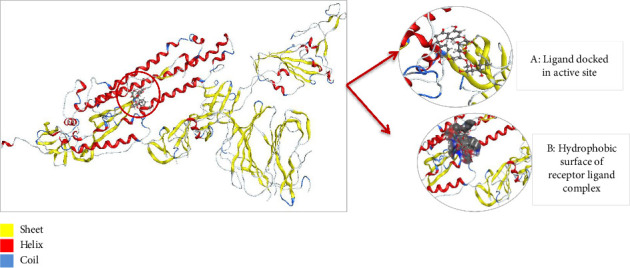 Figure 13
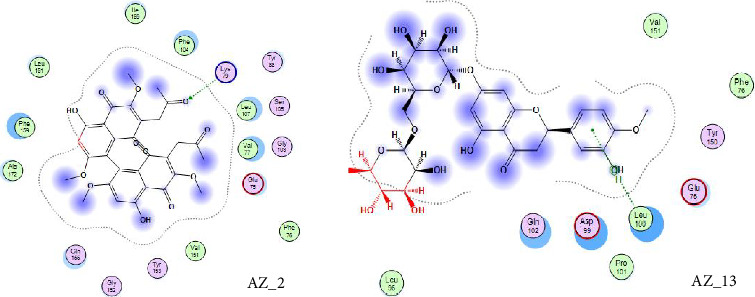 Figure 14
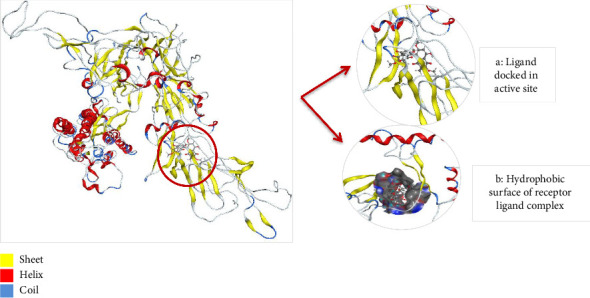 Figure 15
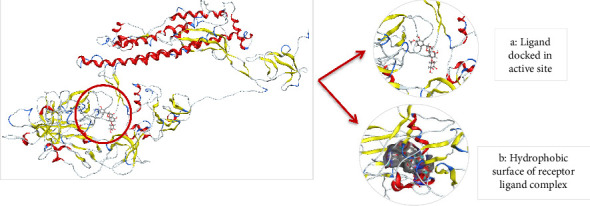 Figure 16
Peer Reviews
No public reviews on file for this paper yet. If you reviewed it on a platform where reviews are public (OpenReview, ICLR, NeurIPS, ICML), you can paste yours below so the community can read it here.
Videos
No videos yet. Explain this paper in a talk, walkthrough, or lecture? Add one.
Taxonomy
TopicsSARS-CoV-2 and COVID-19 Research · Computational Drug Discovery Methods · vaccines and immunoinformatics approaches