Evaluation of the Toxicity Profile and Central Nervous System Activities of Glue (Adhesive) Inhalation in Wistar Rats
Abdulgafar Olayiwola Jimoh, Shuaibu Abdullahi Hudu, Onyinye Emmanuella Ibeabuchi, Bilyaminu Abubakar, Millicent Ladi Umaru, Zuwaira Sani, Edith Ginika Otalike, Umar Mohammed, Muhammad Sanusi Haruna, Kehinde Ahmad Adeshina

TL;DR
This study examines the effects of glue inhalation on Wistar rats, finding toxic and central nervous system impacts.
Contribution
The study provides new insights into the toxicity and CNS effects of glue inhalation in a rodent model.
Findings
Glue inhalation caused liver and lung tissue abnormalities and eye inflammation in rats.
It exhibited anxiolytic and depressant effects on behavior at higher concentrations.
Exposure increased liver function parameters and electrolyte levels while reducing cholesterol.
Abstract
Background: Glue inhalation is a common unconventional substance of abuse, and it contains neurotoxic and volatile solvents. We examined the toxicity profile and central nervous system (CNS) activities of glue inhalation in Wistar rats. Methods: Acute toxicity was investigated, and the subacute toxicity was studied using 24 male Wistar rats at graded concentrations of air, 2, 4 and 8 mL glue (n = 6/group) for 28 days. Blood samples were collected for biochemical and haematological evaluations, and vital organs (lung, liver, kidney, heart, brain and eye) were used for histological analysis. Behavioural studies were carried out using an elevated plus maze, hole board test, open-field test, tail suspension test and forced swim test. Dependence and abstinence effects were also evaluated. Results: The lethal dose (LD50) of the inhalational glue was 14.14 mL. Glue significantly increased…
Genes, proteins, chemicals, diseases, species, mutations and cell lines named across the full text — each resolved to its canonical identifier and authoritative record.
Click any figure to enlarge with its caption.
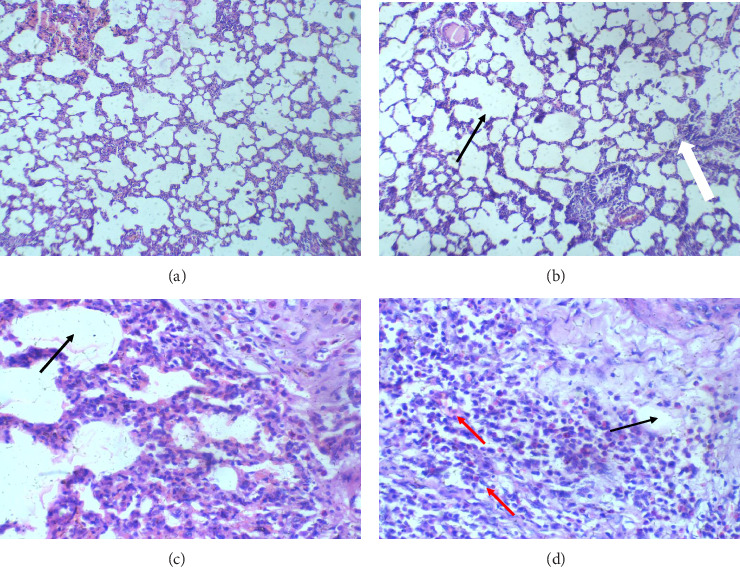 Figure 1
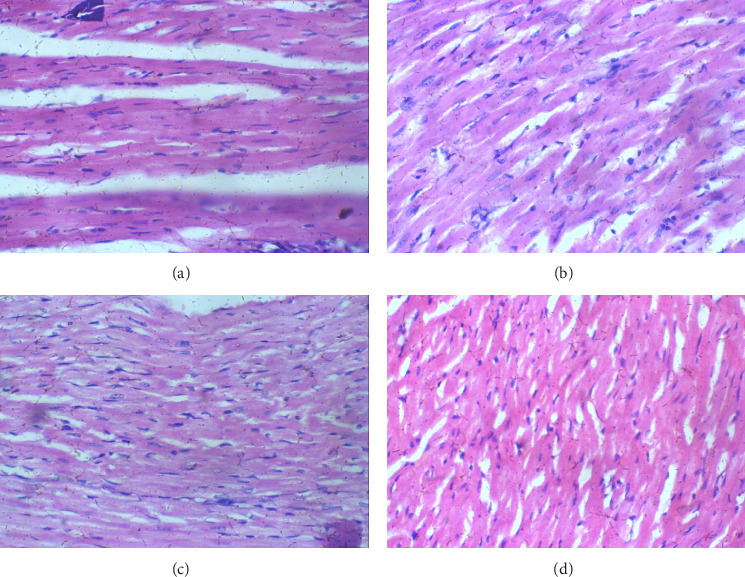 Figure 2
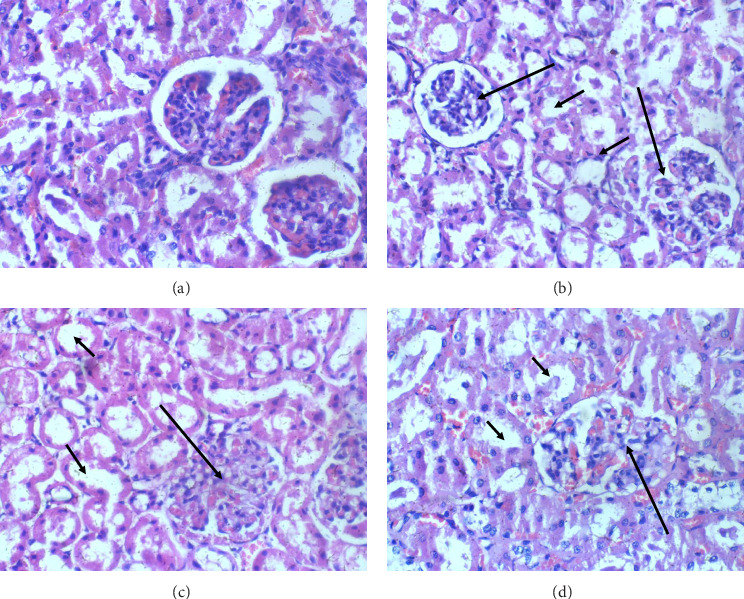 Figure 3
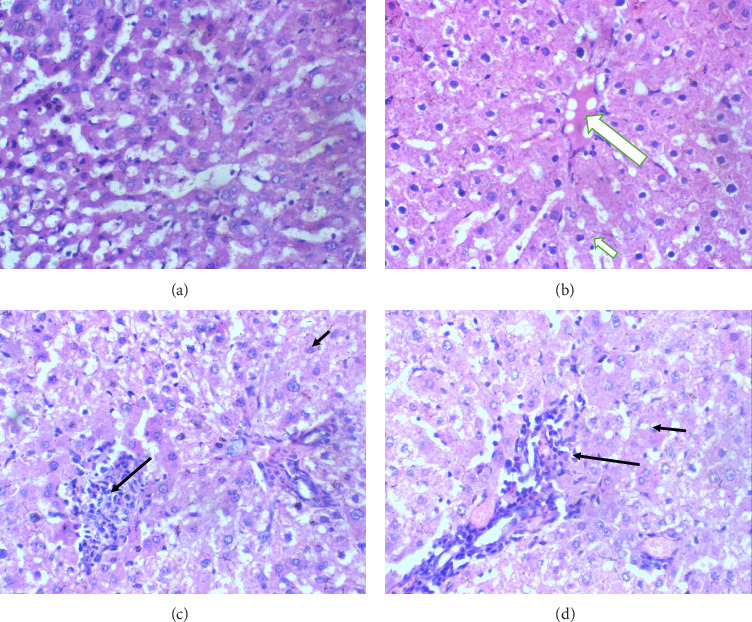 Figure 4
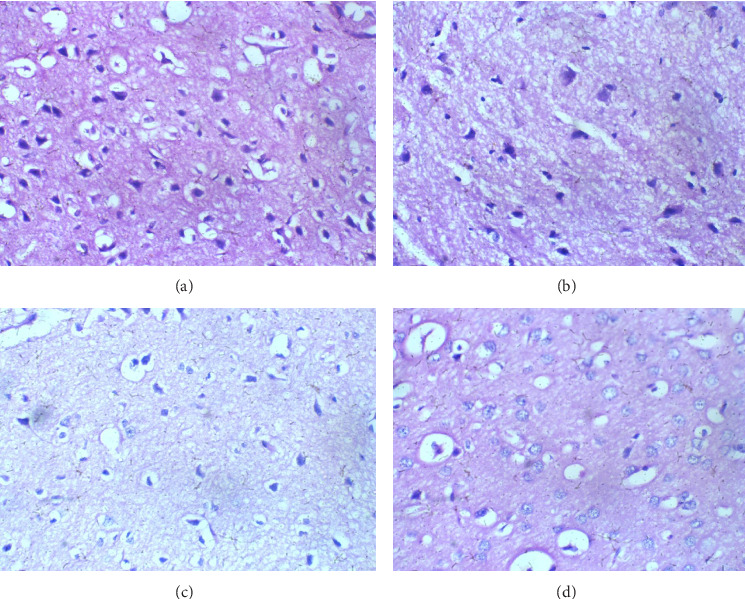 Figure 5
Peer Reviews
No public reviews on file for this paper yet. If you reviewed it on a platform where reviews are public (OpenReview, ICLR, NeurIPS, ICML), you can paste yours below so the community can read it here.
Videos
No videos yet. Explain this paper in a talk, walkthrough, or lecture? Add one.
Taxonomy
TopicsAnimal testing and alternatives · Neurological Disorders and Treatments · 3D Printing in Biomedical Research