Treatment of Sternocutaneous Fistula Due to Cardiac Surgery Using Extracellular Matrix Patch
Zoran Tabaković, Milana Marinković, Petar Milačić1, Slobodan Mićović, Igor Živković

TL;DR
This paper discusses a new surgical approach using an extracellular matrix patch to treat rare sternocutaneous fistulas after heart surgery.
Contribution
The novel use of an extracellular matrix patch (ProxiCor®) in surgical repair of sternocutaneous fistulas is presented.
Findings
Surgical repair using an extracellular matrix patch was successfully applied in three cases.
The approach combines traditional methods with new materials for better outcomes.
This method shows potential as a step forward in treating sternocutaneous fistulas.
Abstract
The incidence of sternal wound complications, such as dehiscences, infections, and sternocutaneous fistulas, can reach 10%. Sternocutaneous fistulas are extremely rare, and the only definite therapy is surgical repair. Our experience taught us that combining a traditional approach with an extracellular matrix patch might be a step forward in therapy. We described three examples of surgically reconstructing sternocutaneous fistulas with an extracellular matrix patch (ProxiCor®).
Genes, proteins, chemicals, diseases, species, mutations and cell lines named across the full text — each resolved to its canonical identifier and authoritative record.
Click any figure to enlarge with its caption.
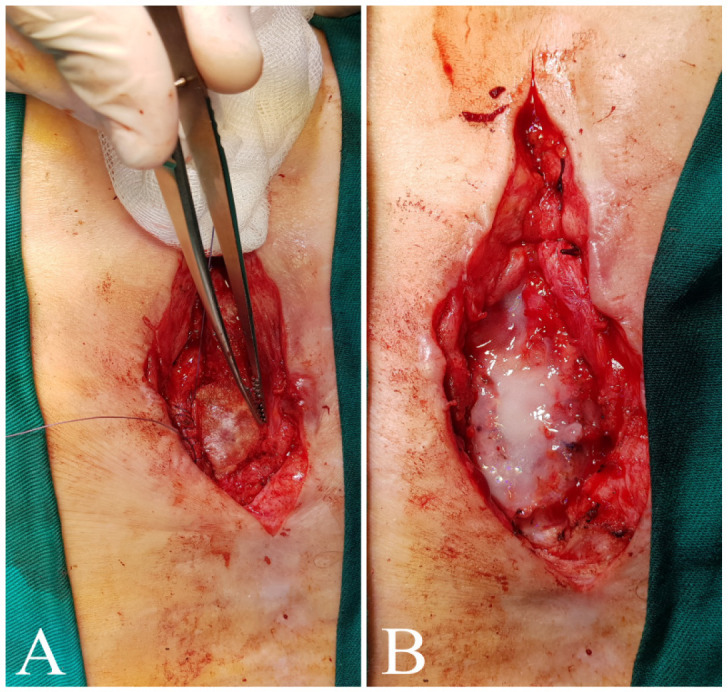 Figure 1
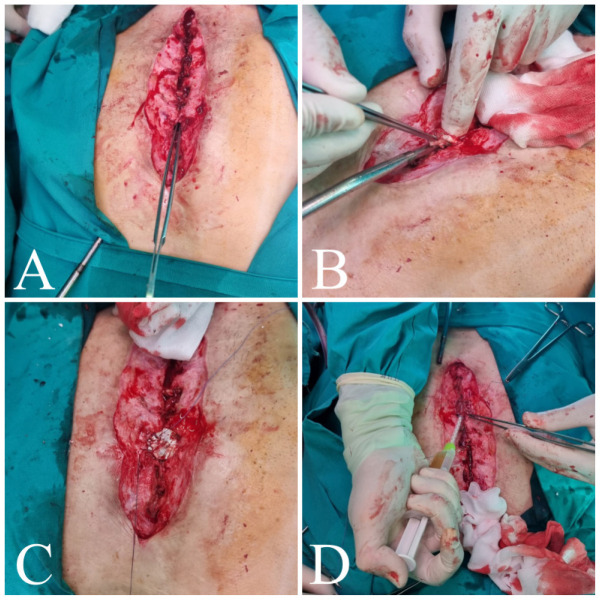 Figure 2
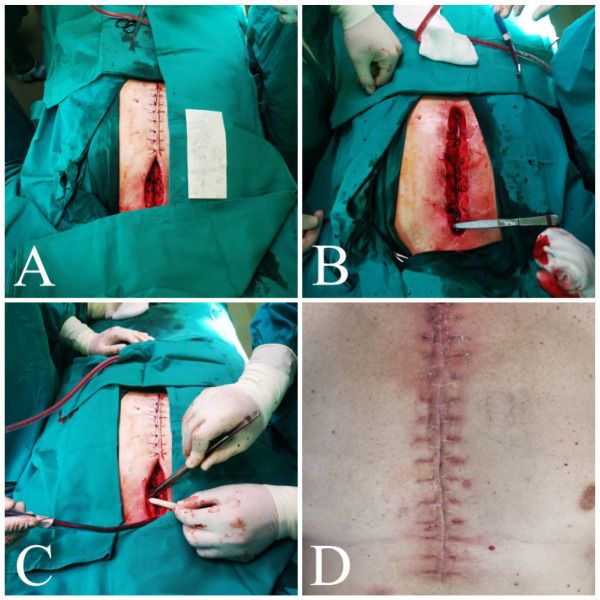 Figure 3
Peer Reviews
No public reviews on file for this paper yet. If you reviewed it on a platform where reviews are public (OpenReview, ICLR, NeurIPS, ICML), you can paste yours below so the community can read it here.
Videos
No videos yet. Explain this paper in a talk, walkthrough, or lecture? Add one.
Taxonomy
TopicsPectus Deformity Diagnosis and Treatment