Brief early-life motor training induces behavioral changes and alters neuromuscular development in mice
Camille Quilgars, Eric Boué-Grabot, Philippe de Deurwaerdère, Jean-René Cazalets, Florence E. Perrin, Sandrine S. Bertrand, Taylor Hart, PhD, Taylor Hart, PhD, Taylor Hart, PhD, Taylor Hart, PhD, Taylor Hart, PhD

TL;DR
Early motor training in newborn mice leads to lasting changes in neuromuscular development and behavior.
Contribution
A short swim training regimen in newborn mice alters spinal cord and muscle development, suggesting early-life motor activity impacts long-term neuromuscular adaptation.
Findings
Swim-trained pups showed faster acquisition of a four-limb swimming pattern and altered gene expression in motor columns.
Motor neuron properties, synaptic plasticity, and axonal myelination were modified in trained mice.
Muscle changes and altered developmental timelines persisted into the second postnatal week.
Abstract
In this study, we aimed to determine the impact of an increase in motor activity during the highly plastic period of development of the motor spinal cord and hindlimb muscles in newborn mice. A swim training regimen, consisting of two sessions per day for two days, was conducted in 1 and 2-day-old (P1, P2) pups. P3-trained pups showed a faster acquisition of a four-limb swimming pattern, accompanied by dysregulated gene expression in the lateral motor column, alterations in the intrinsic membrane properties of motoneurons (MNs) and synaptic plasticity, as well as increased axonal myelination in motor regions of the spinal cord. Network-level changes were also observed, as synaptic events in MNs and spinal noradrenaline and serotonin contents were modified by training. At the muscular level, slight changes in neuromuscular junction morphology and myosin subtype expression in hindlimb…
Genes, proteins, chemicals, diseases, species, mutations and cell lines named across the full text — each resolved to its canonical identifier and authoritative record.
Click any figure to enlarge with its caption.
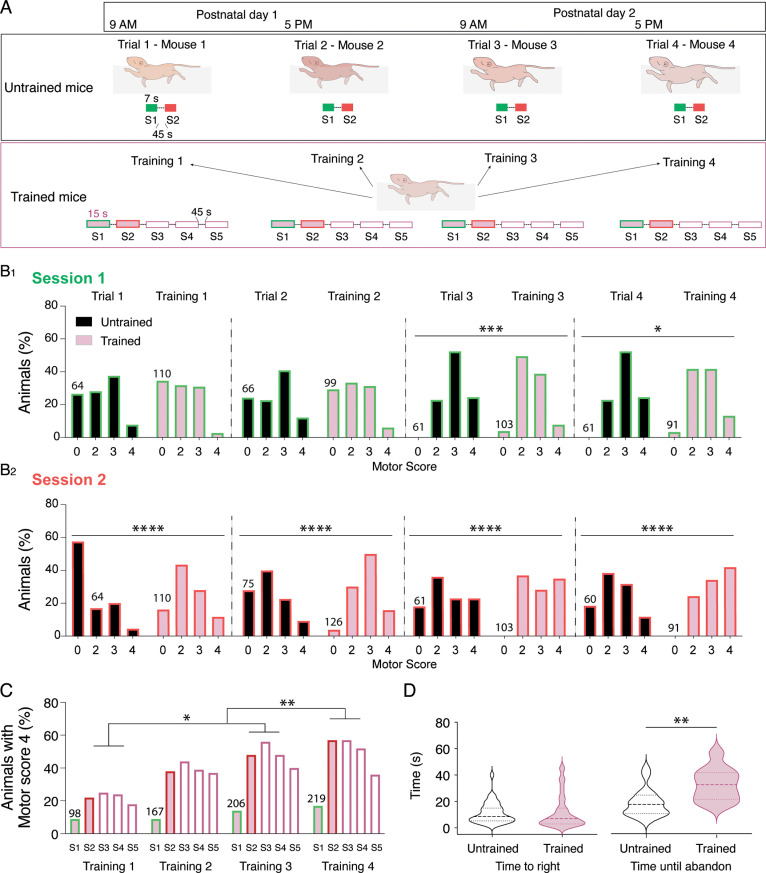 Figure 1
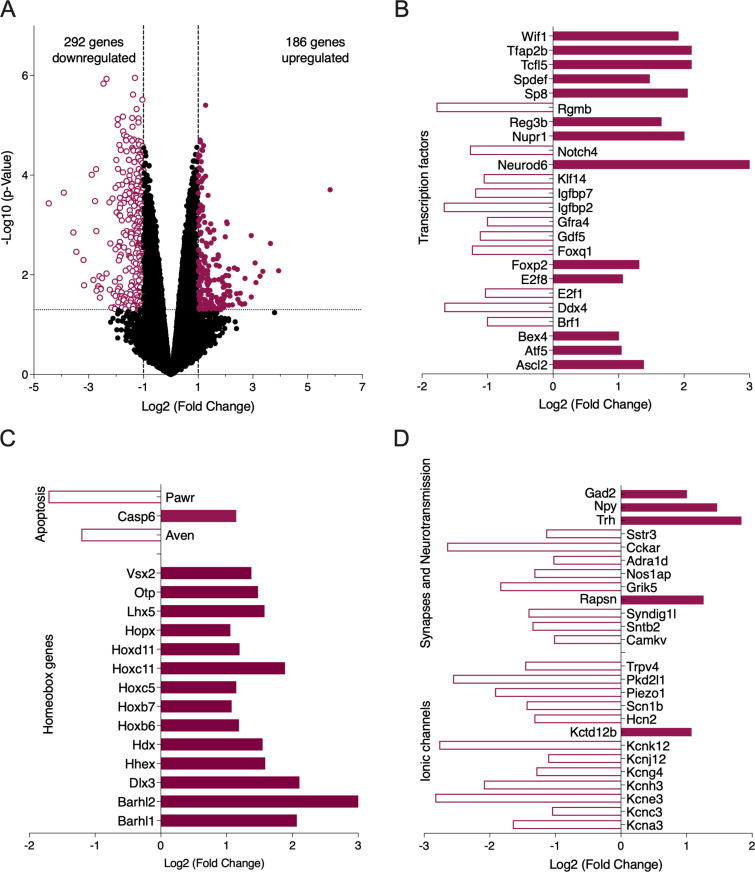 Figure 2
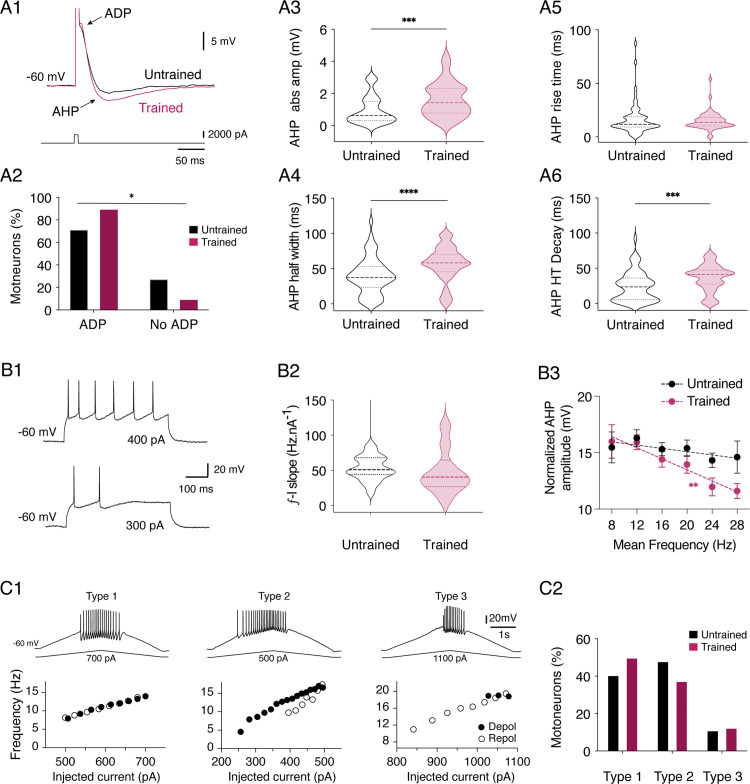 Figure 3
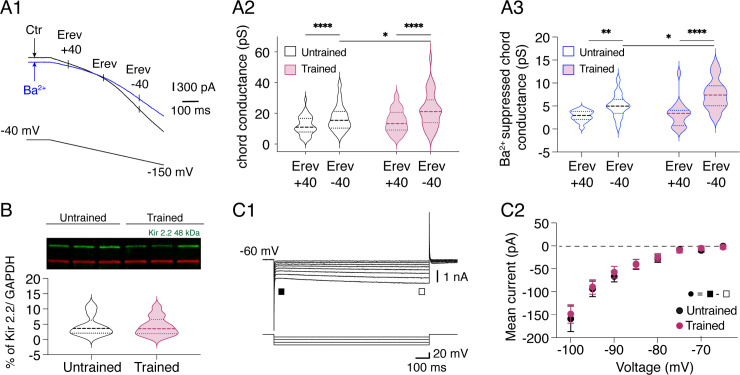 Figure 4
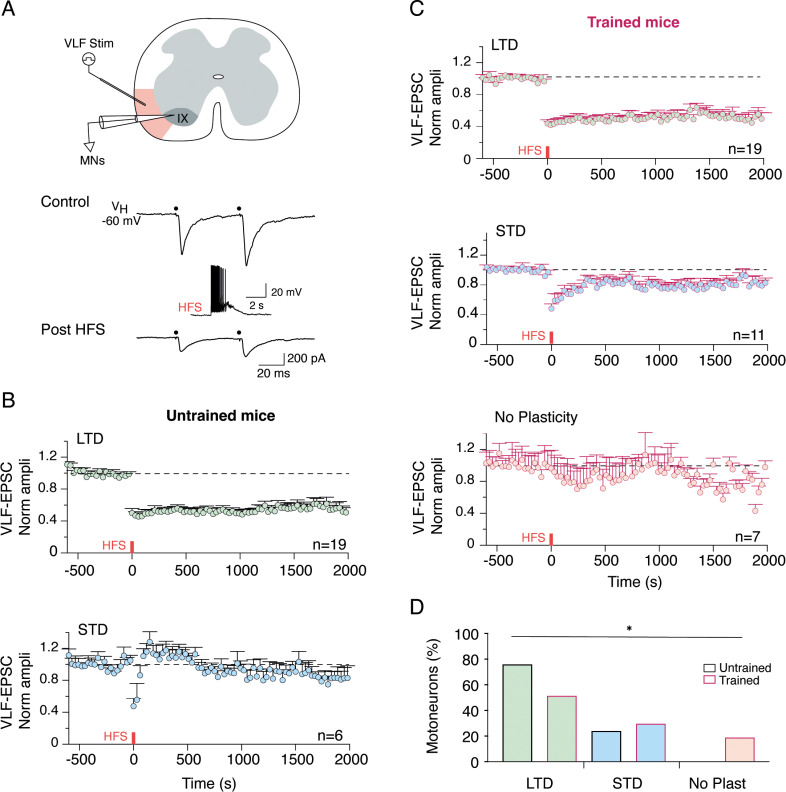 Figure 5
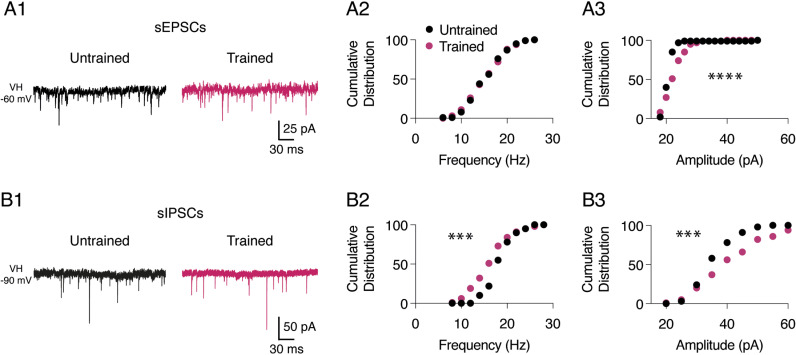 Figure 6
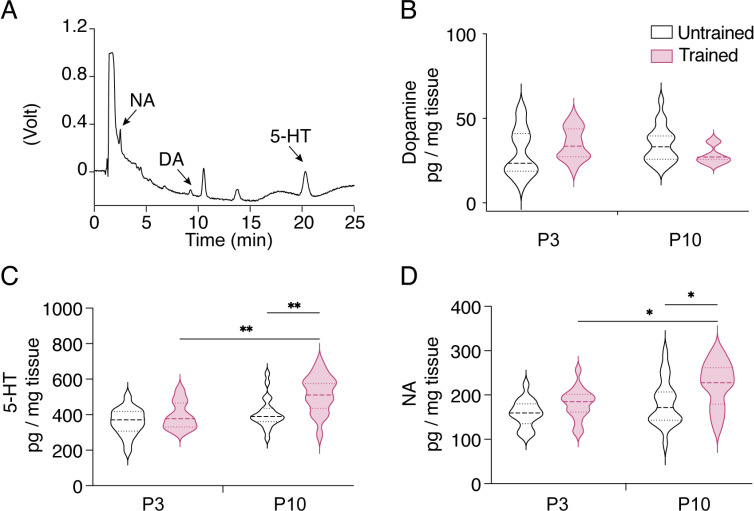 Figure 7
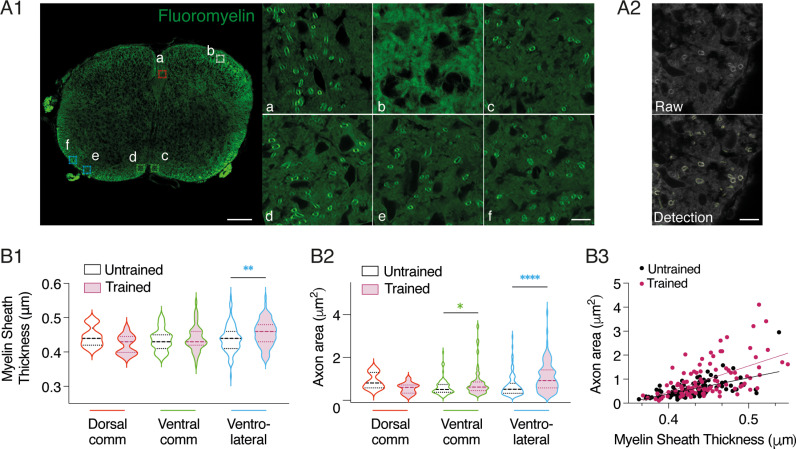 Figure 8
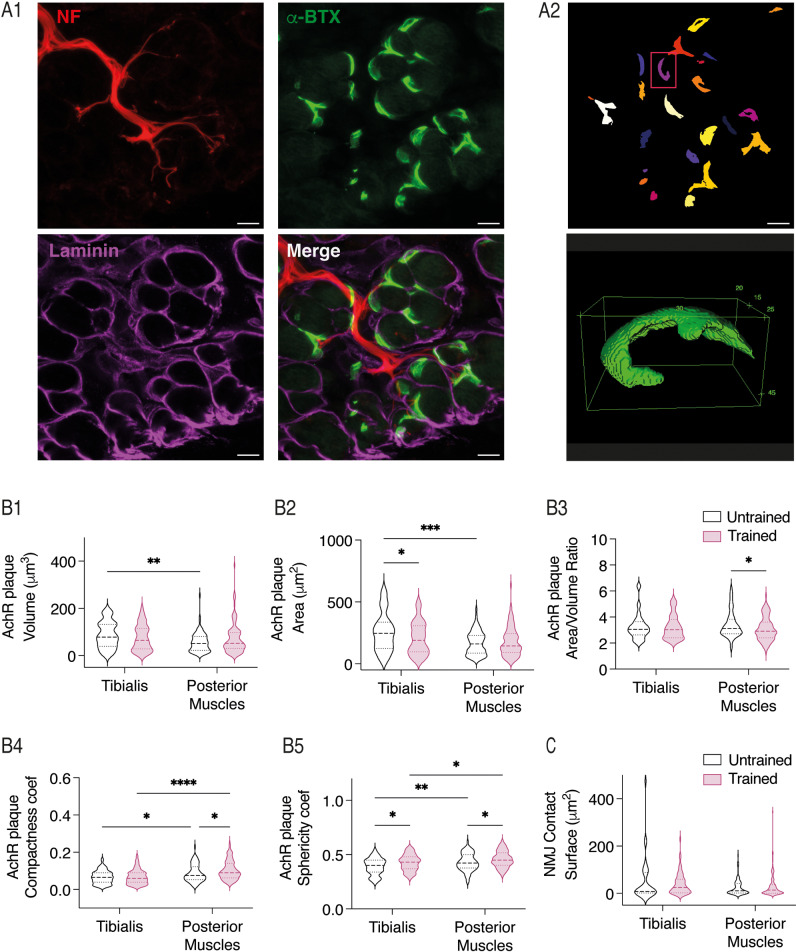 Figure 9
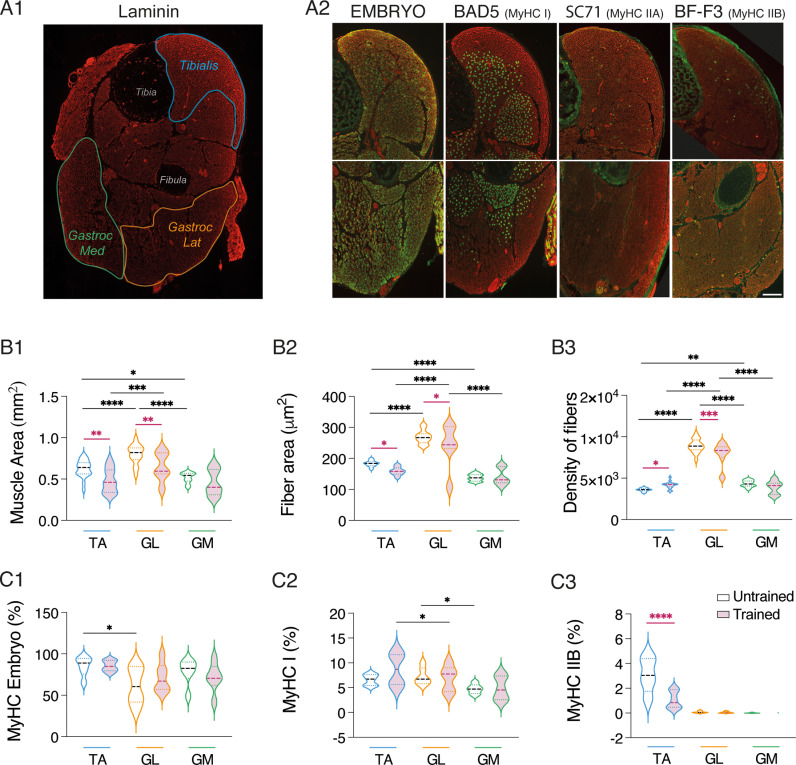 Figure 10
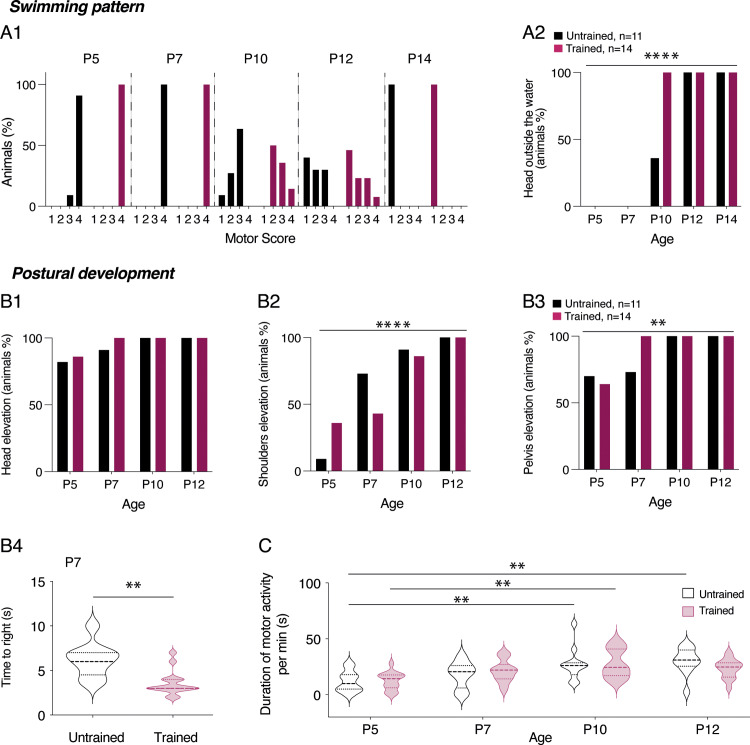 Figure 11
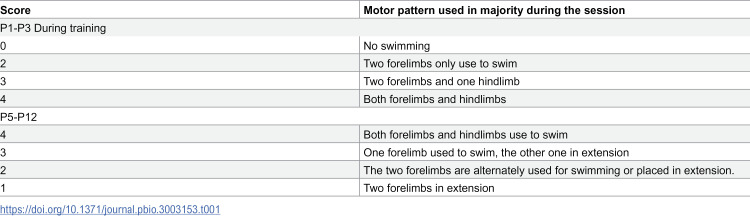 Figure 12
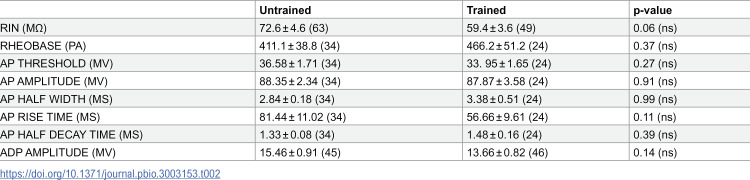 Figure 13
 Figure 14
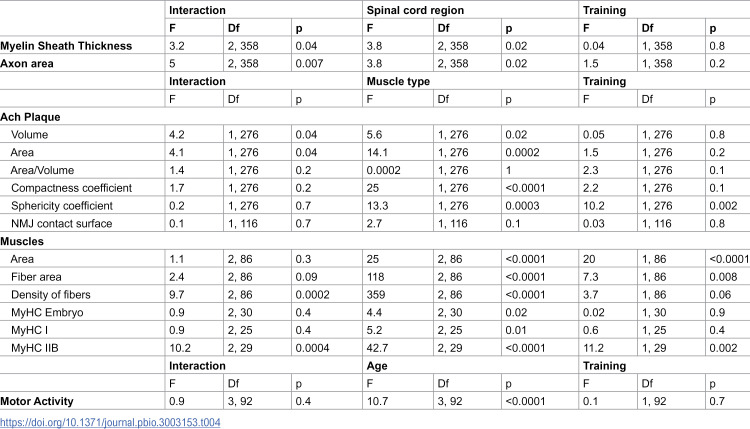 Figure 15
 Figure 16
Peer Reviews
No public reviews on file for this paper yet. If you reviewed it on a platform where reviews are public (OpenReview, ICLR, NeurIPS, ICML), you can paste yours below so the community can read it here.
Videos
No videos yet. Explain this paper in a talk, walkthrough, or lecture? Add one.
Taxonomy
TopicsNeurogenetic and Muscular Disorders Research · Spinal Cord Injury Research · Infant Development and Preterm Care