Staphylococcal toxin PVL ruptures model membranes under acidic conditions through interactions with cardiolipin and phosphatidic acid
Seong H. Chow, Yusun Jeon, Pankaj Deo, Amy T. Y. Yeung, Christine Hale, Sushmita Sridhar, Gilu Abraham, Joshua Nickson, Françios A. B. Olivier, Jhih-Hang Jiang, Yue Ding, Mei-Ling Han, Anton P. Le Brun, Dovile Anderson, Darren Creek, Janette Tong, Kip Gabriel, Jian Li

TL;DR
This study shows how the Staphylococcus aureus toxin PVL kills immune cells by targeting acidic organelle membranes, not the cell surface.
Contribution
The study reveals that PVL interacts with acidic lipids in lysosomes and mitochondria under acidic conditions, enabling pore formation and bacterial escape.
Findings
PVL binds phosphatidic acid and cardiolipin under acidic conditions, targeting lysosomal and mitochondrial membranes.
PVL can rupture model membranes without receptor interaction, as shown by neutron reflectometry.
Blocking acidification or removing PVL prevents S. aureus escape from macrophages.
Abstract
Panton-Valentine leukocidin (PVL) is a pore-forming toxin secreted by Staphylococcus aureus strains that cause severe infections. Bicomponent PVL kills phagocytes depending on cell surface receptors, such as complement 5a receptor 1 (C5aR1). How the PVL-receptor interaction enables assembly of the leukocidin complex, targeting of membranes, and insertion of a pore channel remains incompletely understood. Here, we demonstrate that PVL binds the anionic phospholipids, phosphatidic acid, and cardiolipin, under acidic conditions and targets lipid bilayers that mimic lysosomal and mitochondrial membranes, but not the plasma membrane. The PVL–lipid interaction was sufficient to enable leukocidin complex formation as determined by neutron reflectometry and the rupture of model membranes, independent of protein receptors. In phagocytes, PVL and its C5aR1 receptor were internalized depending on…
Genes, proteins, chemicals, diseases, species, mutations and cell lines named across the full text — each resolved to its canonical identifier and authoritative record.
Click any figure to enlarge with its caption.
 Figure 1
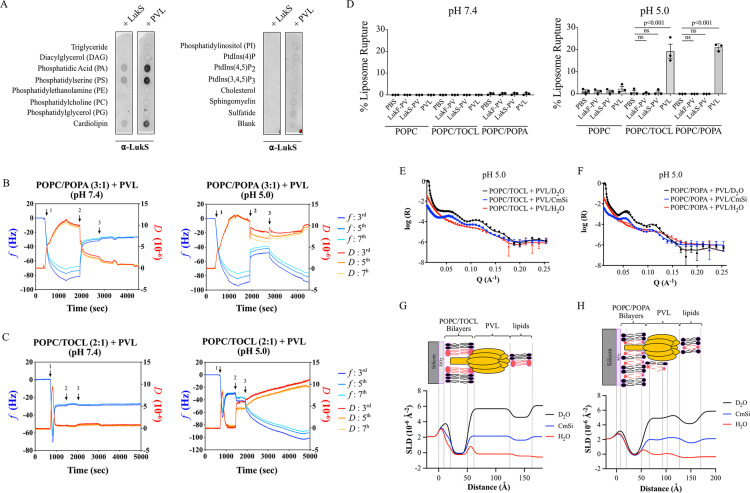 Figure 2
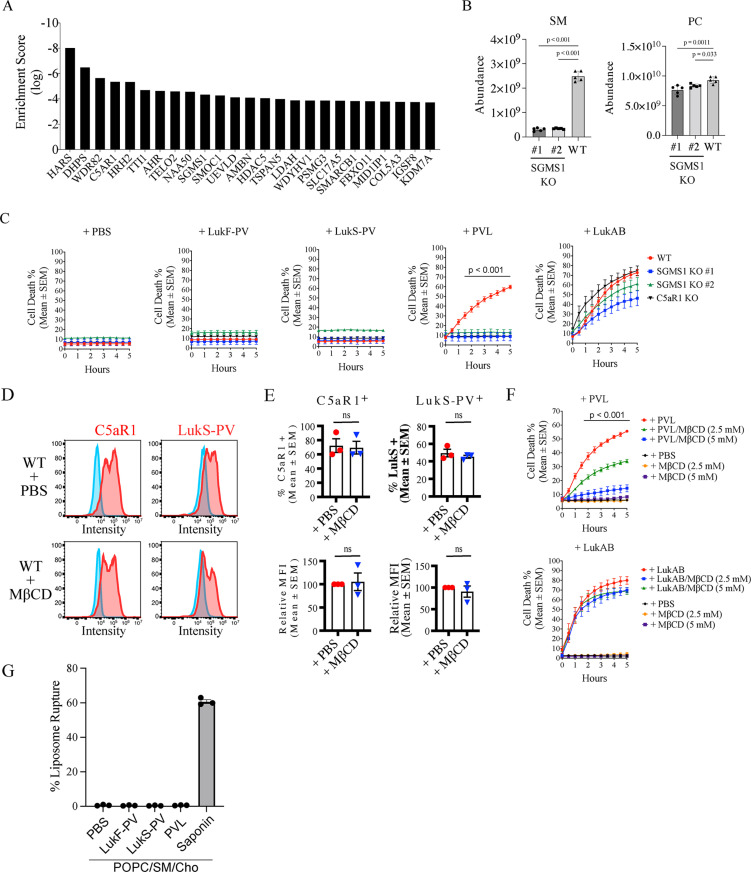 Figure 3
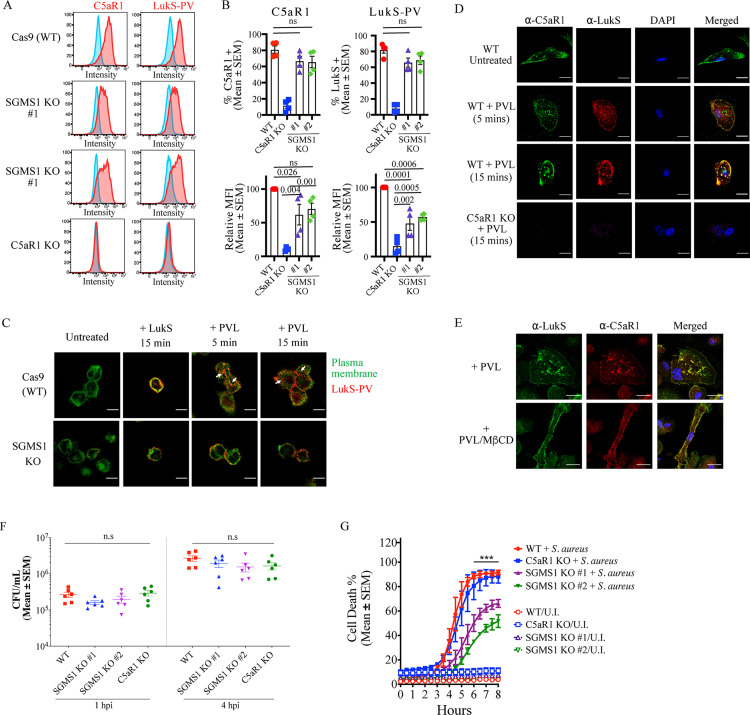 Figure 4
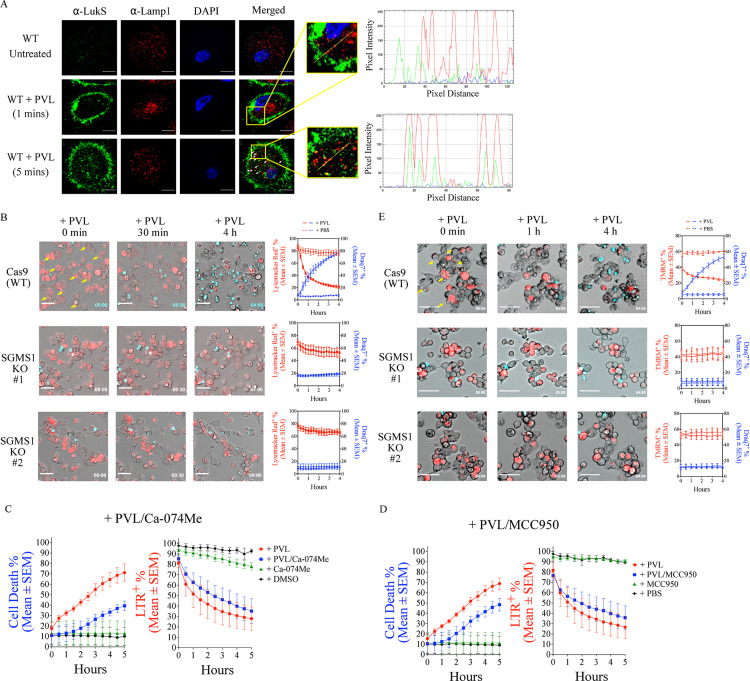 Figure 5
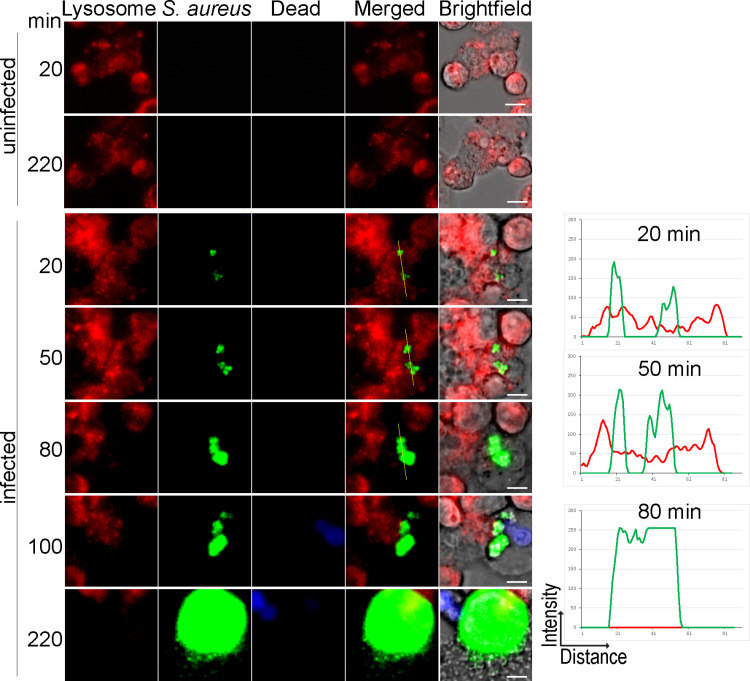 Figure 6
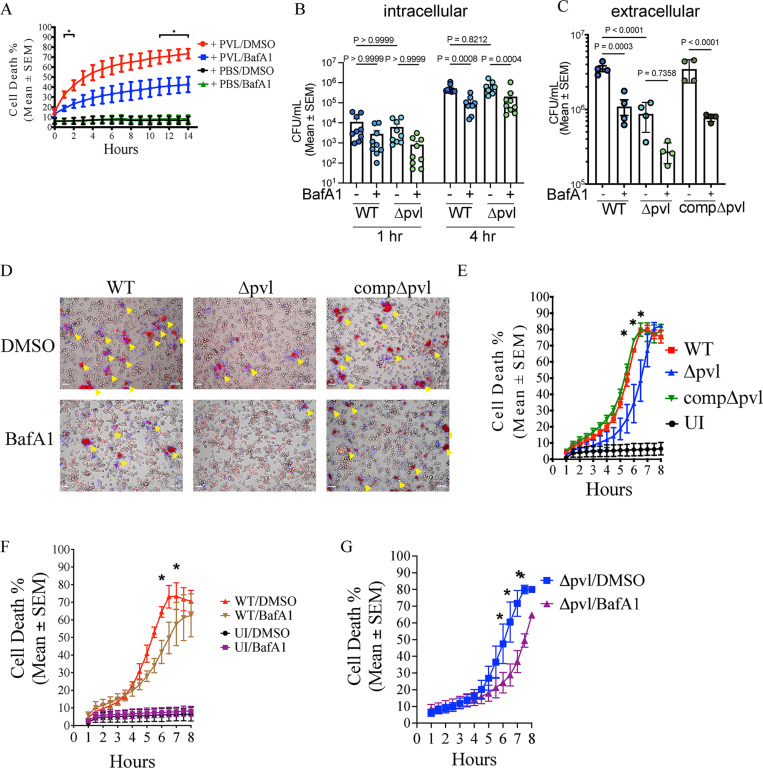 Figure 7
Peer Reviews
No public reviews on file for this paper yet. If you reviewed it on a platform where reviews are public (OpenReview, ICLR, NeurIPS, ICML), you can paste yours below so the community can read it here.
Videos
No videos yet. Explain this paper in a talk, walkthrough, or lecture? Add one.
Taxonomy
TopicsAntimicrobial Resistance in Staphylococcus · Lipid Membrane Structure and Behavior · Ion channel regulation and function