Flow mechanisms of the air-blood barrier
James B. Grotberg, Francesco Romanò, John C. Grotberg

TL;DR
This paper introduces a new fluid mechanics model for the air-blood barrier in the lungs, offering insights into pulmonary edema and potential clinical applications.
Contribution
The first mathematical model of the air-blood barrier's fluid mechanics, including active epithelial reabsorption and new insights into interstitial fluid pressure.
Findings
The model calculates interstitial fluid pressure and critical capillary pressure, which align with clinical and experimental data.
Active epithelial reabsorption enhances alveolar-lymphatic and alveolar-capillary clearance of edema.
The model explains how distant alveolar lymphatics function and why they are sparse.
Abstract
The air-blood barrier protects the lung from blood/serum entering the air spaces, i.e., from “drowning in your own fluids”. Failure leads to pulmonary edema, a regularly fatal complication during the Covid-19 pandemic which claimed 7 million lives worldwide. Finding no mathematical models for the underlying fluid mechanics, we created the first. Governing flow equations for alveolar capillary, interstitium, and alveolus are coupled by crossflows at the capillary and epithelial membranes and end-exit flows to the lymphatics. Case examples include normal/recovery, cardiogenic pulmonary edema, acute respiratory distress syndrome, effects of positive end expiratory pressure, and a wide range of parameter values for permeability of the membranes and interstitial matrix. Previously unknown membrane fluid shear stresses calculate to values that affect cell function in many systems. We add…
Genes, proteins, chemicals, diseases, species, mutations and cell lines named across the full text — each resolved to its canonical identifier and authoritative record.
Click any figure to enlarge with its caption.
 Figure 1
 Figure 2
 Figure 3
 Figure 4
 Figure 5
 Figure 6
 Figure 7
 Figure 8
 Figure 9
 Figure 10
 Figure 11
 Figure 12
 Figure 13
 Figure 14
 Figure 15
 Figure 16
 Figure 17
 Figure 18
 Figure 19
 Figure 20
 Figure 21
 Figure 22
 Figure 23
 Figure 24
 Figure 25
 Figure 26
 Figure 27
 Figure 28
 Figure 29
 Figure 30
 Figure 31
 Figure 32
 Figure 33
 Figure 34
 Figure 35
 Figure 36
 Figure 37
 Figure 38
 Figure 39
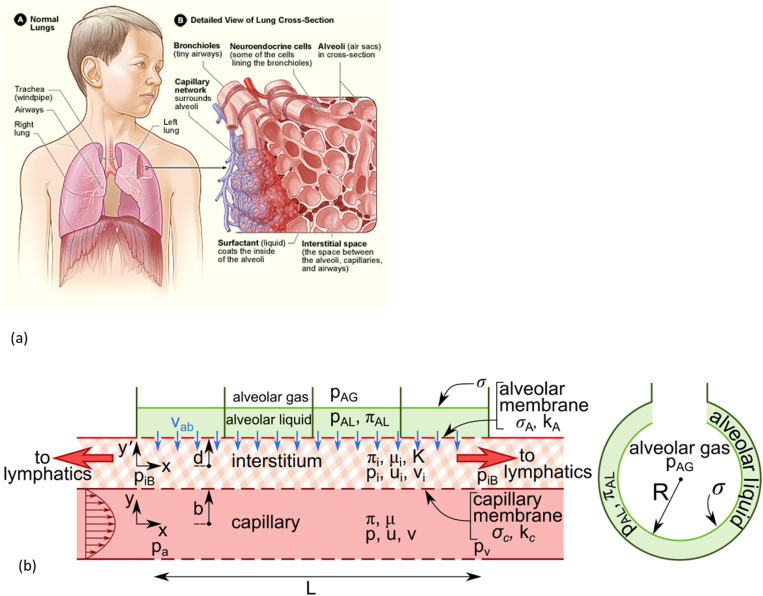 Figure 40
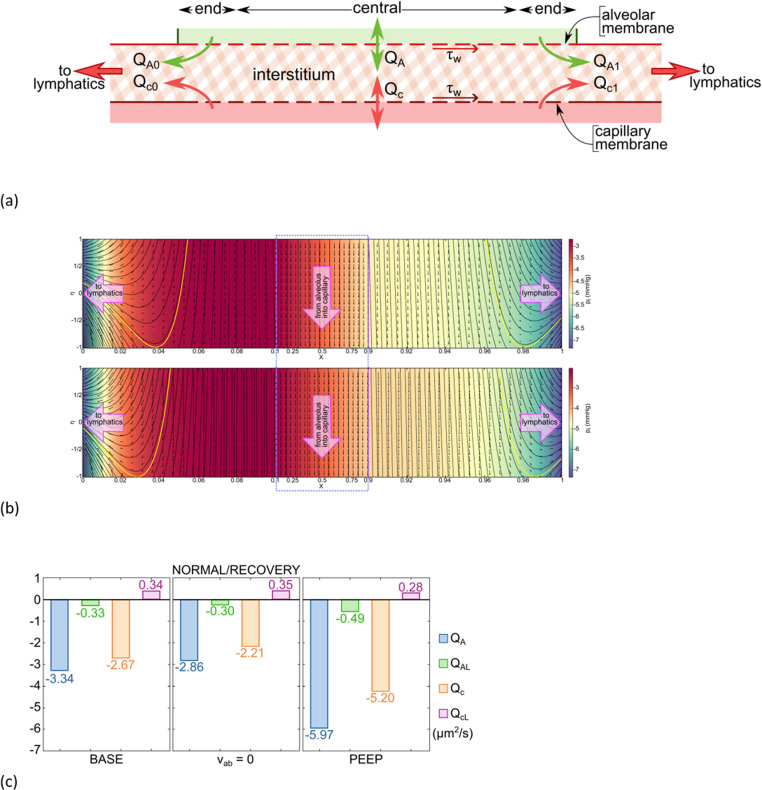 Figure 41
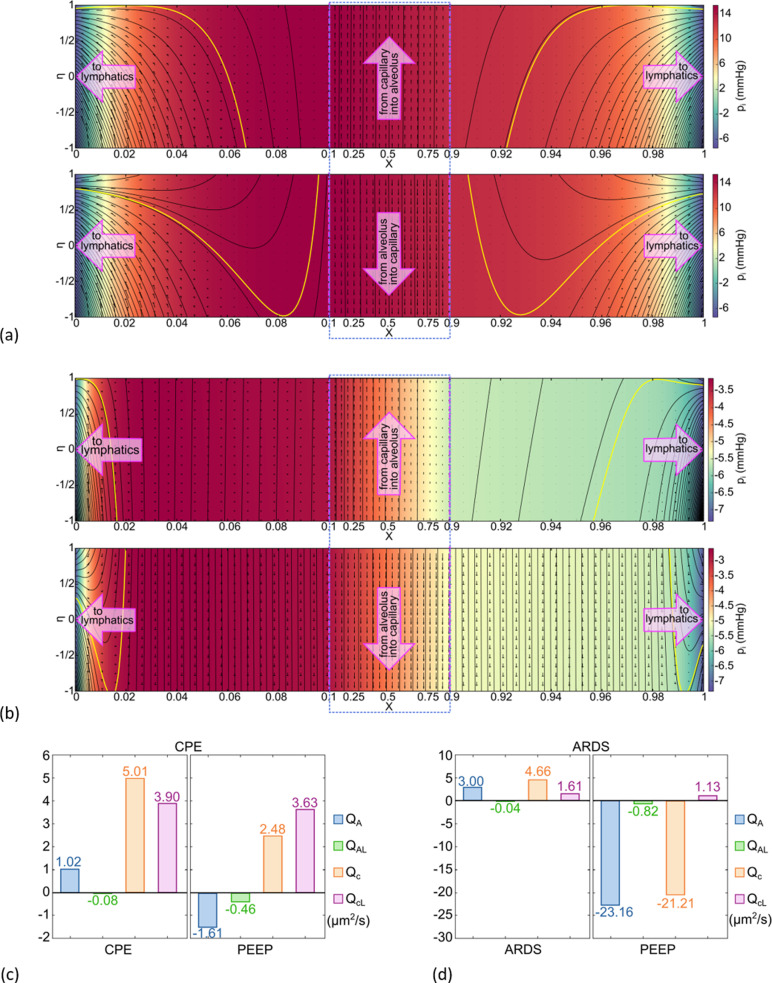 Figure 42
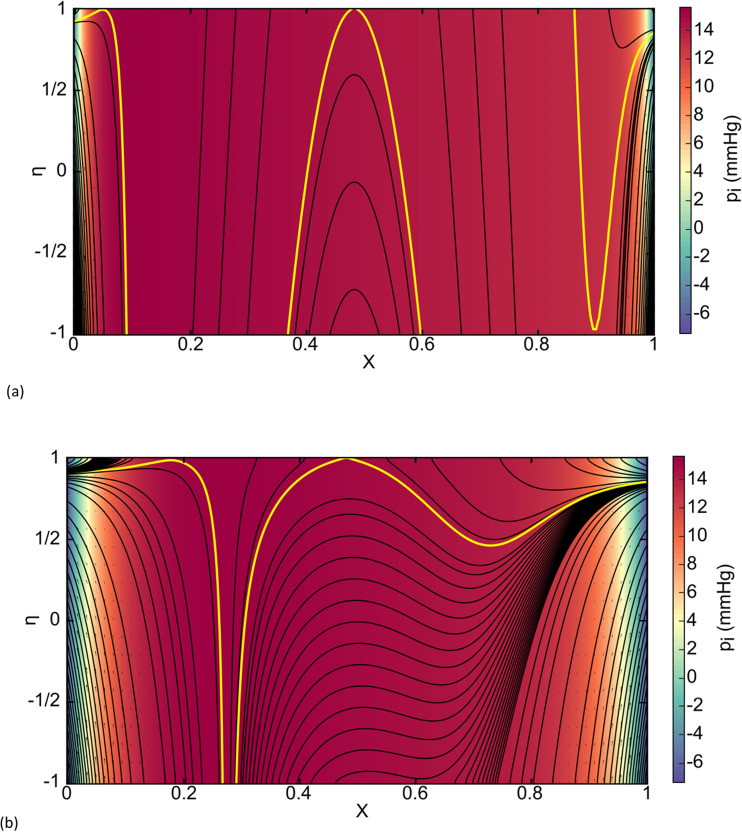 Figure 43
 Figure 44
 Figure 45
 Figure 46
 Figure 47
Peer Reviews
No public reviews on file for this paper yet. If you reviewed it on a platform where reviews are public (OpenReview, ICLR, NeurIPS, ICML), you can paste yours below so the community can read it here.
Videos
No videos yet. Explain this paper in a talk, walkthrough, or lecture? Add one.
Taxonomy
TopicsRespiratory Support and Mechanisms · Neonatal Respiratory Health Research · Inhalation and Respiratory Drug Delivery