RatXcan: A framework for cross-species integration of genome-wide association and gene expression data
Natasha Santhanam, Sandra Sanchez-Roige, Sabrina Mi, Yanyu Liang, Apurva S. Chitre, Daniel Munro, Denghui Chen, Jianjun Gao, Angel Garcia-Martinez, Anthony M. George, Alexander F. Gileta, Wenyan Han, Katie Holl, Alesa Hughson, Christopher P. King, Alexander C. Lamparelli

TL;DR
RatXcan is a new method that helps link genetic data to gene expression in rats, making it easier to find shared biological patterns with humans.
Contribution
RatXcan extends transcriptome-wide association methods to account for genetic relatedness in rat models.
Findings
RatXcan identifies gene expression associations in rats while correcting for genetic relatedness.
Cis genetic architecture of gene expression is similar between rats and humans in brain tissues.
Genes linked to body length and BMI show significant overlap between rats and humans.
Abstract
Genome-wide association studies (GWAS) have implicated specific alleles and genes as risk factors for numerous complex traits. However, translating GWAS results into biologically and therapeutically meaningful discoveries remains extremely challenging. Most GWAS results identify noncoding regions of the genome, suggesting that differences in gene regulation are the major driver of trait variability. To better integrate GWAS results with gene regulatory polymorphisms, we previously developed PrediXcan (also known as “transcriptome-wide association studies” or TWAS), which maps SNPs to predicted gene expression using GWAS data. In this study, we developed RatXcan, a framework that extends this methodology to outbred heterogeneous stock (HS) rats. RatXcan accounts for the close familial relationships among HS rats by modeling the relatedness with a random effect that encodes the genetic…
Genes, proteins, chemicals, diseases, species, mutations and cell lines named across the full text — each resolved to its canonical identifier and authoritative record.
Click any figure to enlarge with its caption.
 Figure 1
 Figure 2
 Figure 3
 Figure 4
 Figure 5
 Figure 6
 Figure 7
 Figure 8
 Figure 9
 Figure 10
 Figure 11
 Figure 12
 Figure 13
 Figure 14
 Figure 15
 Figure 16
 Figure 17
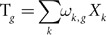 Figure 18
 Figure 19
 Figure 20
 Figure 21
 Figure 22
 Figure 23
 Figure 24
 Figure 25
 Figure 26
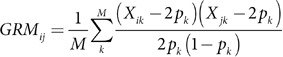 Figure 27
 Figure 28
 Figure 29
 Figure 30
 Figure 31
 Figure 32
 Figure 33
 Figure 34
 Figure 35
 Figure 36
 Figure 37
 Figure 38
 Figure 39
 Figure 40
 Figure 41
 Figure 42
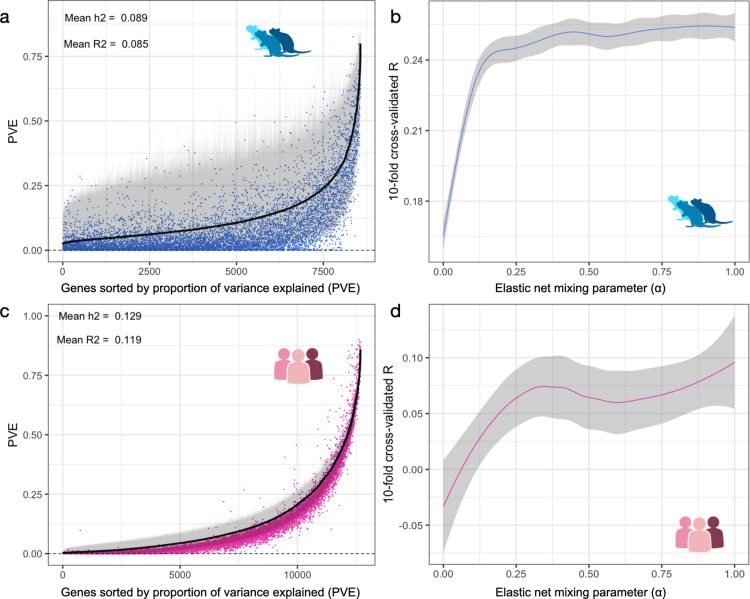 Figure 43
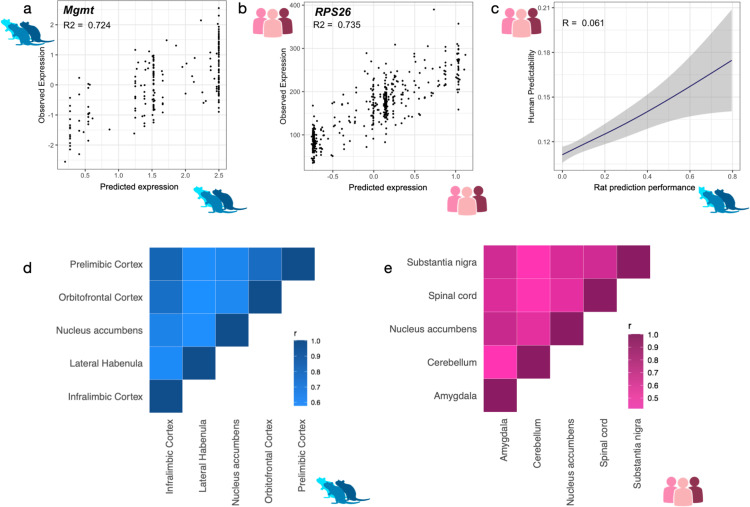 Figure 44
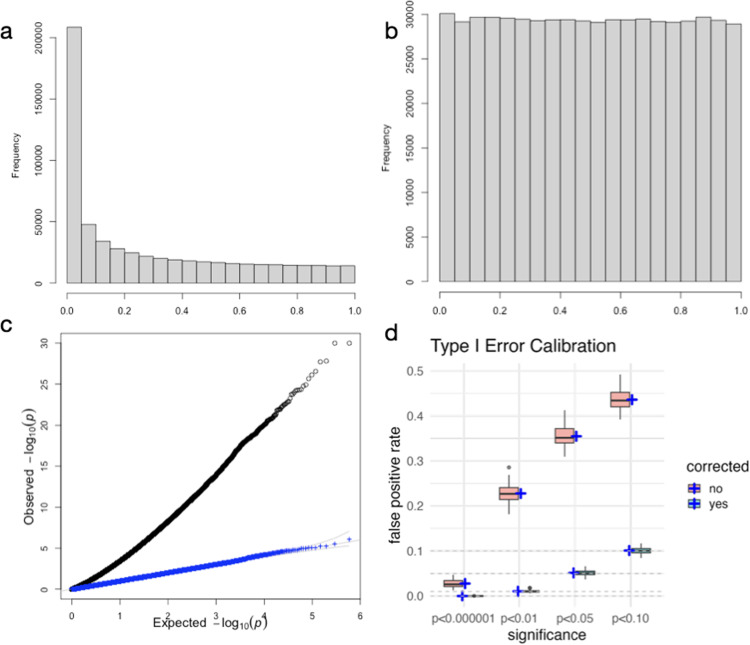 Figure 45
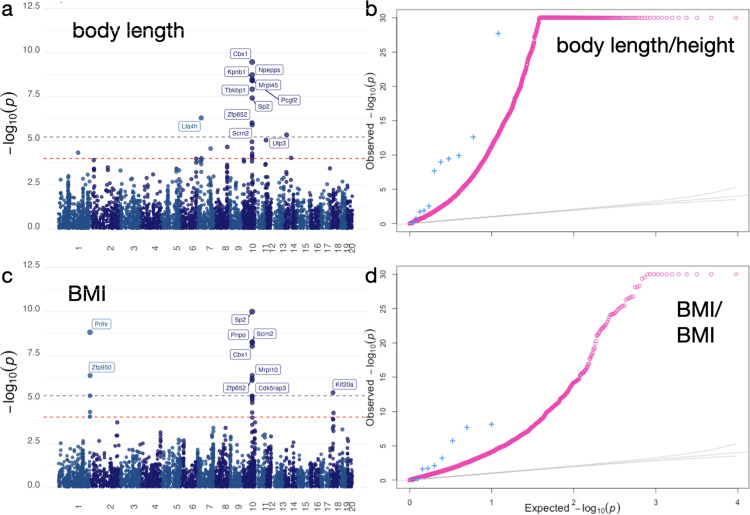 Figure 46
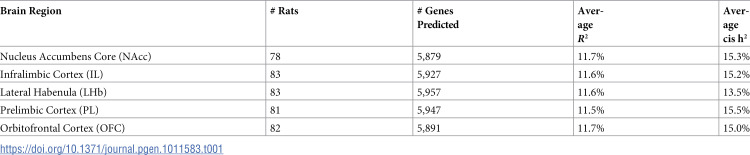 Figure 47
Peer Reviews
No public reviews on file for this paper yet. If you reviewed it on a platform where reviews are public (OpenReview, ICLR, NeurIPS, ICML), you can paste yours below so the community can read it here.
Videos
No videos yet. Explain this paper in a talk, walkthrough, or lecture? Add one.
Taxonomy
TopicsGenetic Mapping and Diversity in Plants and Animals · Genetic Associations and Epidemiology · Genetic and phenotypic traits in livestock