Inhibition of xpt Guanine Riboswitch by a synthetic nucleoside analog
Swapan S. Jain, Emily C. McLaughlin, Gabriel G. Perron, Mallikarjunachari Uppuladinne, Seoyoung Kim, Katherina Gindinova, Silvie H. Lundgren, Liad Elmelech, Uddhavesh Sonavane, Rajendra Joshi, Korrapati Narasimhulu, Shailza Singh, Shailza Singh, Shailza Singh

TL;DR
Scientists created a synthetic molecule that can control bacterial gene activity by binding to a specific RNA structure better than the natural molecule.
Contribution
A novel nucleoside analog, SK4, was synthesized to inhibit the xpt guanine riboswitch more effectively than native guanine.
Findings
SK4 binds to the xpt guanine riboswitch mRNA and terminates transcription more effectively than guanine.
Molecular dynamics simulations show SK4 forms a stable complex with additional bonding interactions compared to guanine.
Abstract
Riboswitches are structured elements predominantly found in the 5’-untranslated region of many bacterial mRNA. These noncoding RNA regions play a vital role in bacterial metabolism and overall function. Each riboswitch binds to a specific small molecule and causes conformational changes in the mRNA leading to regulation of transcription or translation. In this work, we have synthesized SK4, a novel nucleoside analog that binds to the guanine riboswitch mRNA of the xanthine phosphoribosyl transferase gene in Bacillus subtilis and terminates transcription of the riboswitch mRNA to a greater extent than the native ligand guanine. Molecular dynamics simulations of SK4 with riboswitch mRNA reveal an overall stable complex with additional bonding interactions in comparison to guanine. Our work with SK4 demonstrates that specific genes in bacteria can be effectively controlled by ligand…
Genes, proteins, chemicals, diseases, species, mutations and cell lines named across the full text — each resolved to its canonical identifier and authoritative record.
Click any figure to enlarge with its caption.
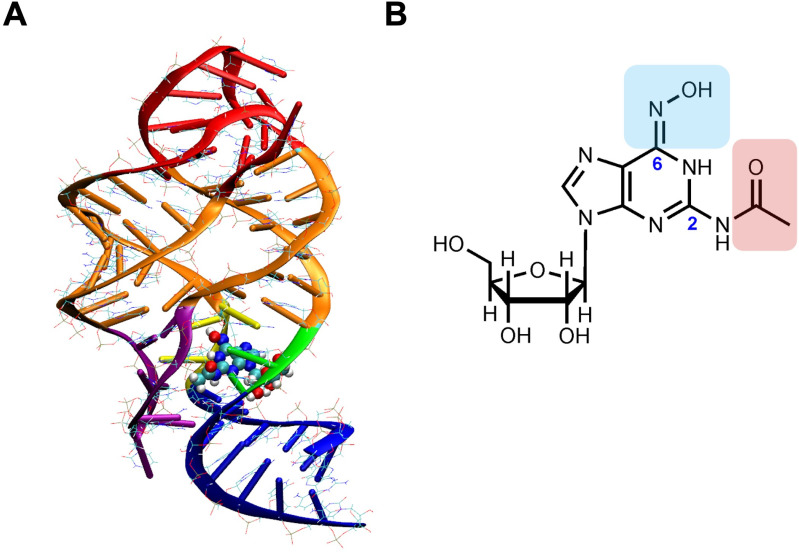 Figure 1
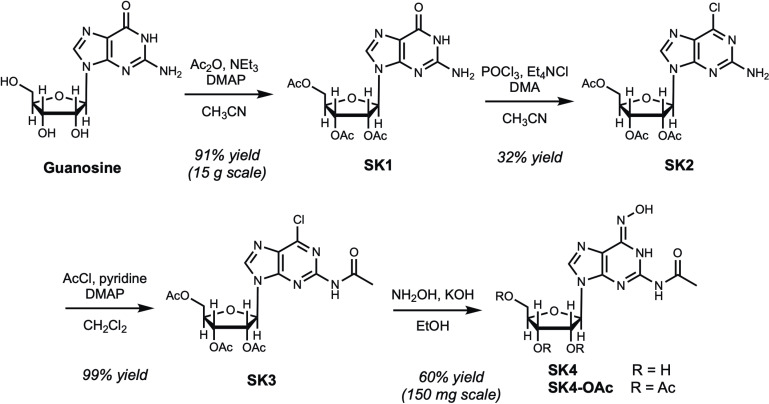 Figure 2
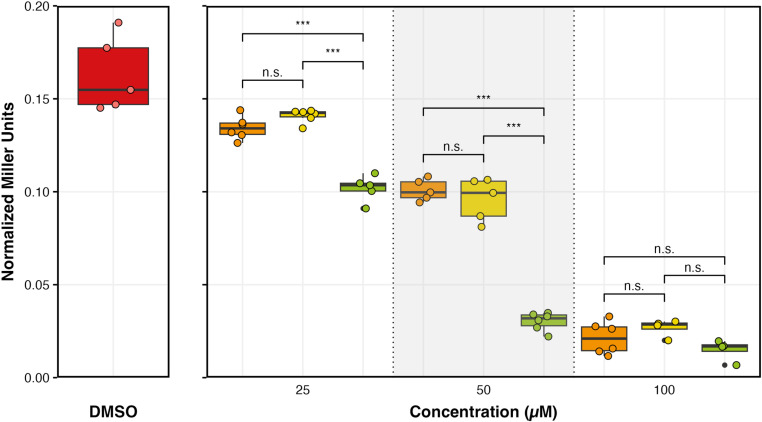 Figure 3
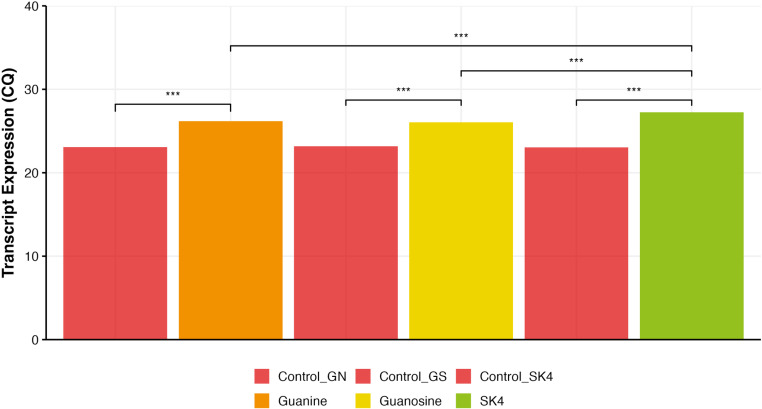 Figure 4
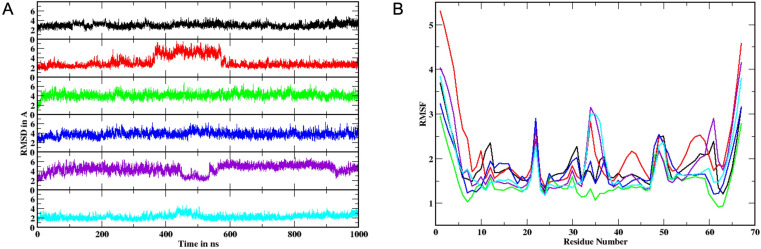 Figure 5
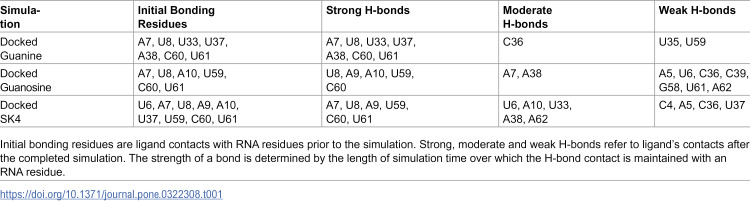 Figure 6
Peer Reviews
No public reviews on file for this paper yet. If you reviewed it on a platform where reviews are public (OpenReview, ICLR, NeurIPS, ICML), you can paste yours below so the community can read it here.
Videos
No videos yet. Explain this paper in a talk, walkthrough, or lecture? Add one.
Taxonomy
TopicsRNA and protein synthesis mechanisms · RNA modifications and cancer · RNA Research and Splicing