iSoMAs: Finding isoform expression and somatic mutation associations in human cancers
Hua Tan, Valer Gotea, Sushil K. Jaiswal, Nancy E. Seidel, David O. Holland, Kevin Fedkenheuer, Abdel G. Elkahloun, Sara R. Bang-Christensen, Laura Elnitski, Alison Marsden, Simone Zaccaria, Marc R Birtwistle, Simone Zaccaria, Marc R Birtwistle, Simone Zaccaria, Marc R Birtwistle

TL;DR
The paper introduces iSoMAs, a computational tool that identifies how somatic mutations in cancer affect isoform expression, revealing new gene associations across multiple cancer types.
Contribution
iSoMAs is a novel pipeline using PCA to efficiently detect associations between somatic mutations and isoform-level gene expression across diverse cancers.
Findings
iSoMAs identified 908 genes with mutations significantly associated with altered isoform expression across three or more cancer types.
TP53 mutations were experimentally verified to directly affect isoform expression in cell cycle genes.
iSoMAs outperforms traditional methods with high efficiency and strong biological relevance in pan-cancer analyses.
Abstract
Aberrant alternative splicing, prevalent in cancer, impacts various cancer hallmarks involving proliferation, angiogenesis, and invasion. Splicing disruption often results from somatic point mutations rewiring functional pathways to support cancer cell survival. We introduce iSoMAs (iSoform expression and somatic Mutation Association), an efficient computational pipeline leveraging principal component analysis technique, to explore how somatic mutations influence transcriptome-wide gene expression at the isoform level. Applying iSoMAs to 33 cancer types comprising 9,738 tumor samples in The Cancer Genome Atlas, we identified 908 somatically mutated genes significantly associated with altered isoform expression across three or more cancer types. Mutations linked to differential isoform expression occurred through both cis- and trans-acting mechanisms, involving well-known…
Genes, proteins, chemicals, diseases, species, mutations and cell lines named across the full text — each resolved to its canonical identifier and authoritative record.
Click any figure to enlarge with its caption.
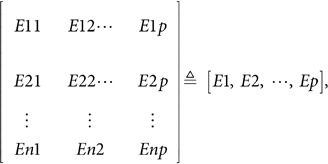 Figure 1
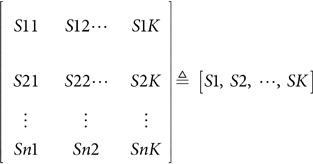 Figure 2
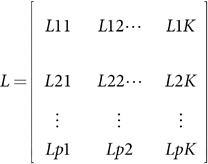 Figure 3
 Figure 4
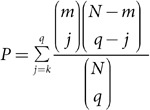 Figure 5
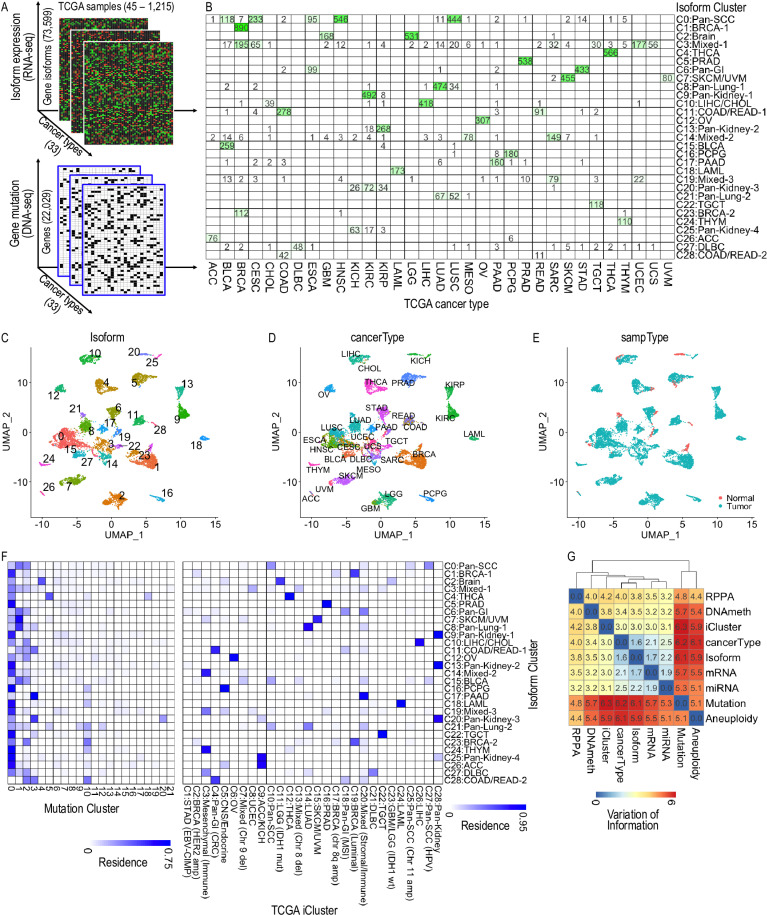 Figure 6
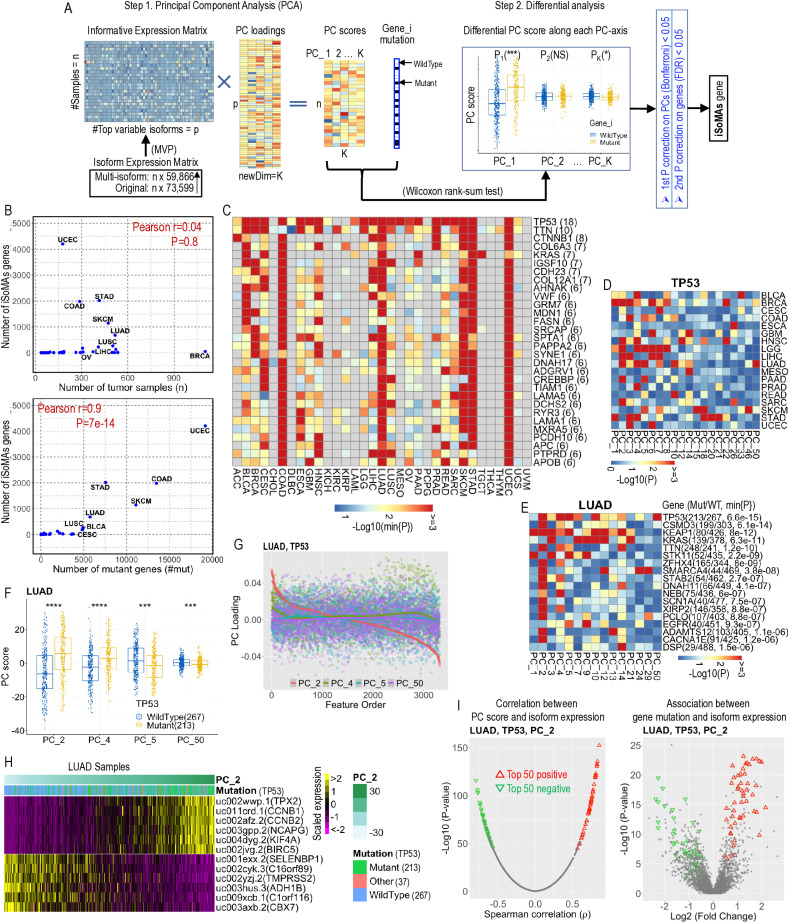 Figure 7
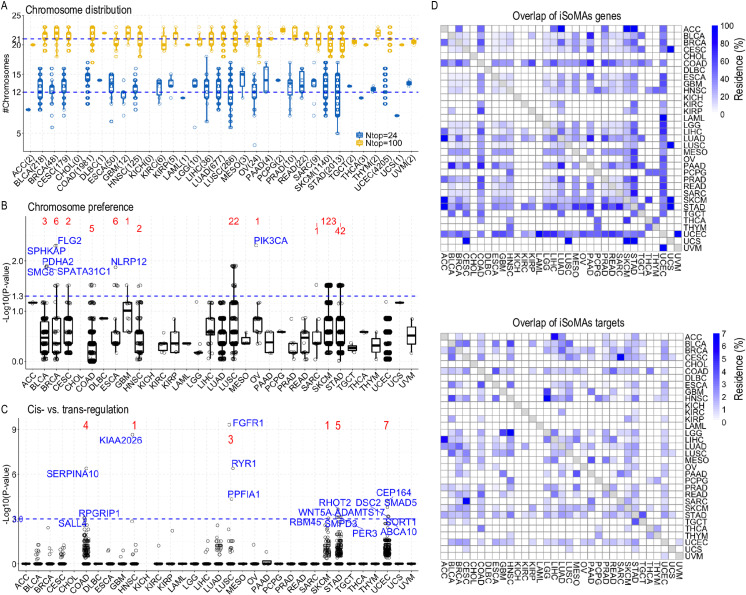 Figure 8
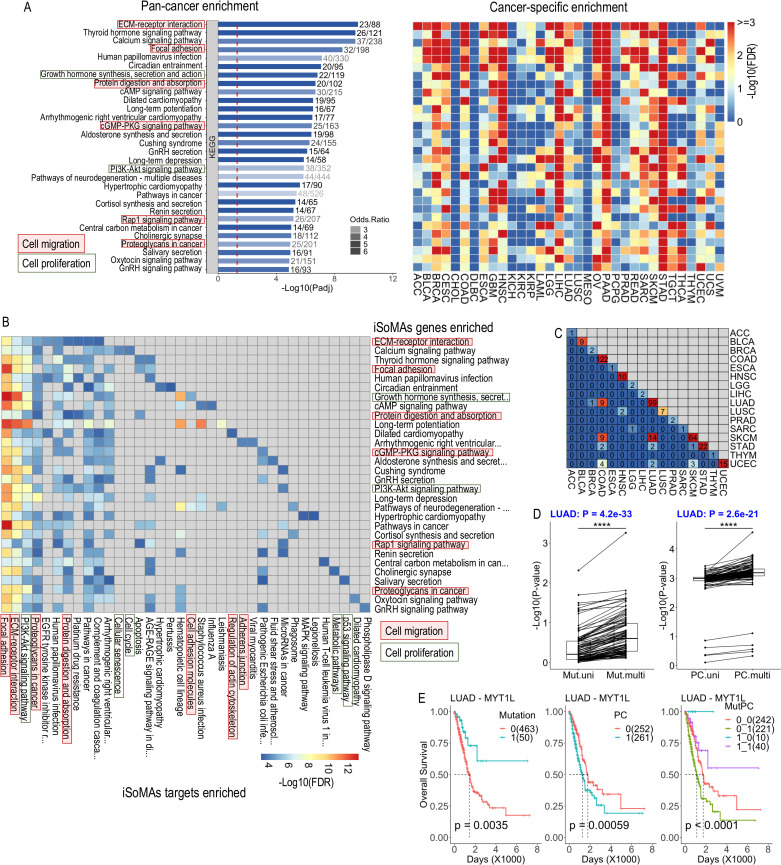 Figure 9
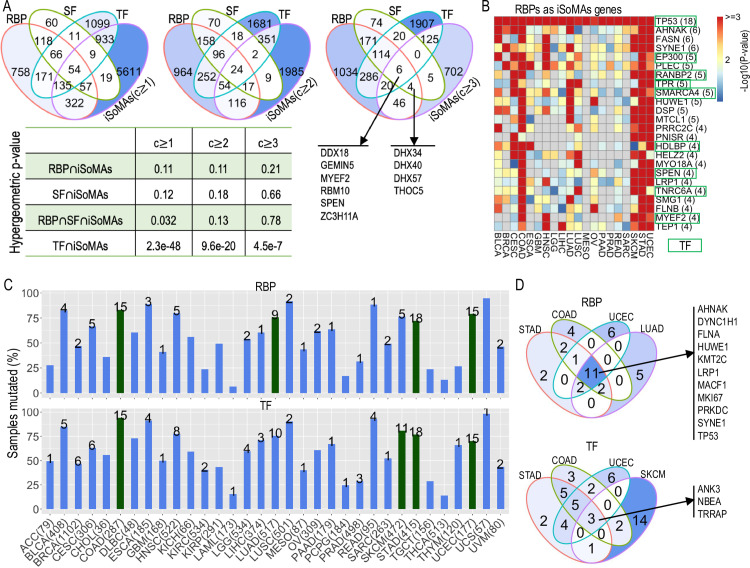 Figure 10
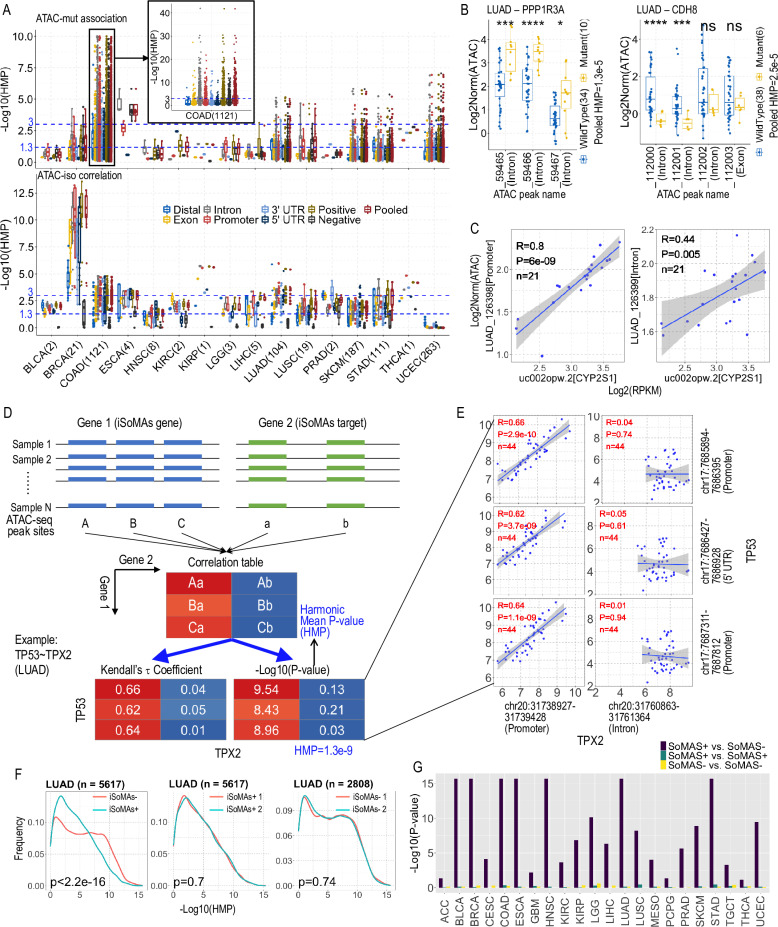 Figure 11
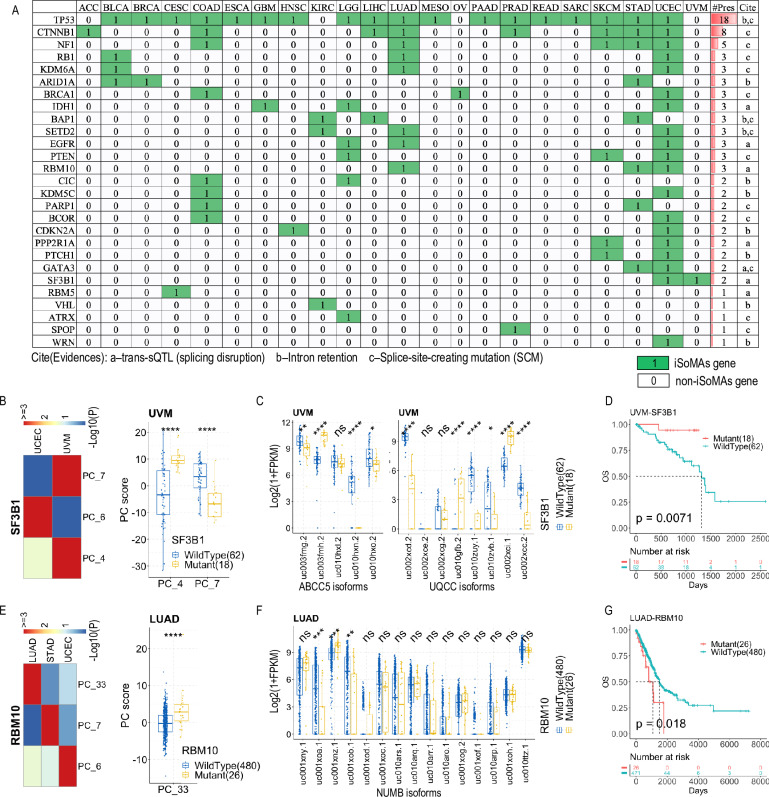 Figure 12
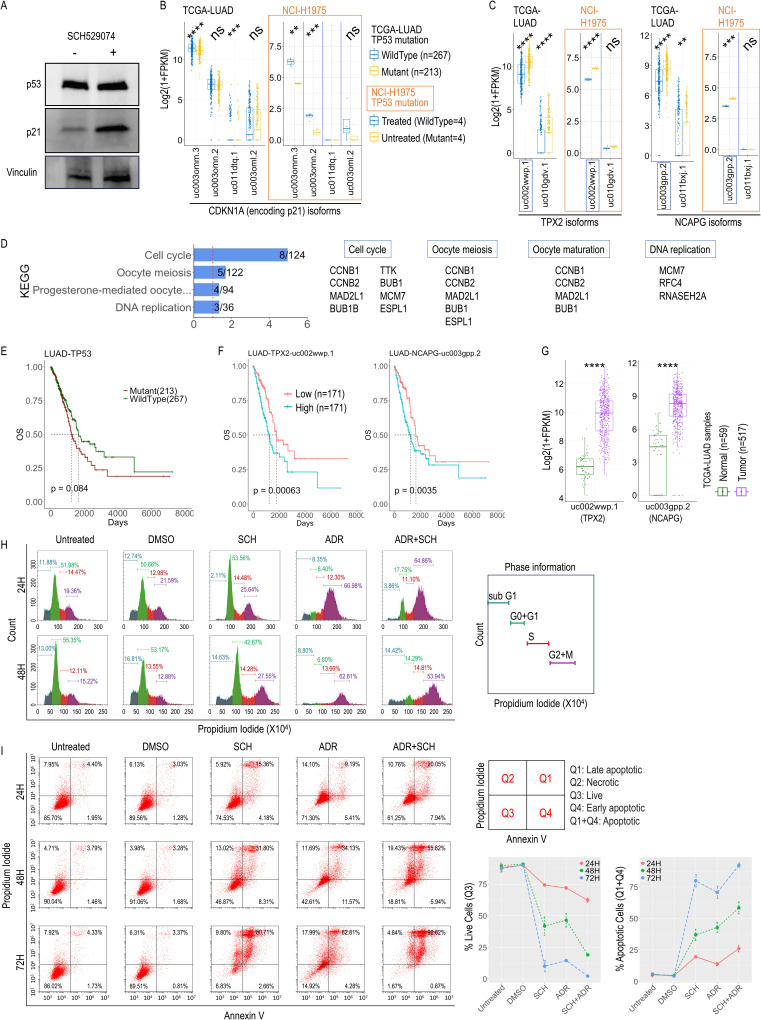 Figure 13
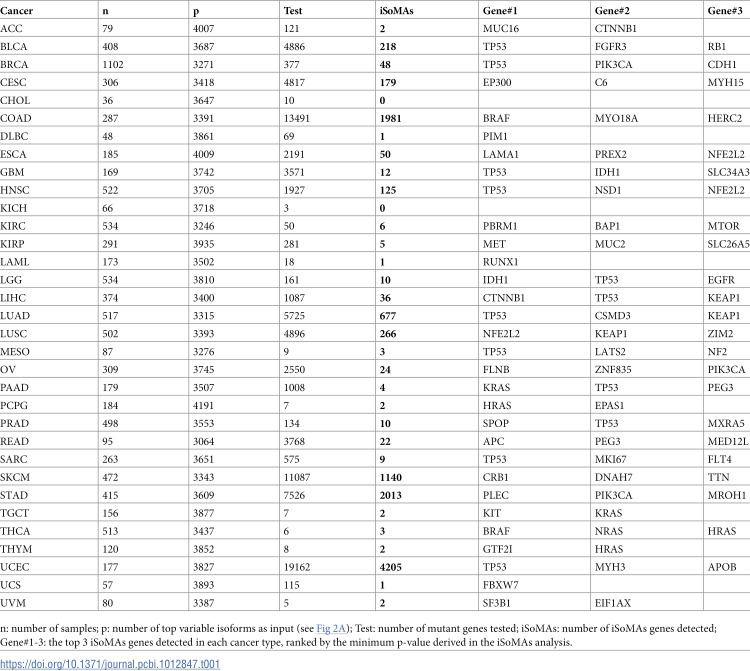 Figure 14
Peer Reviews
No public reviews on file for this paper yet. If you reviewed it on a platform where reviews are public (OpenReview, ICLR, NeurIPS, ICML), you can paste yours below so the community can read it here.
Videos
No videos yet. Explain this paper in a talk, walkthrough, or lecture? Add one.
Taxonomy
TopicsRNA Research and Splicing · RNA modifications and cancer · RNA and protein synthesis mechanisms