Coevolution in human small Heat Shock Protein 1 is promoted by interactions between the Alpha-Crystallin domain and the disordered regions
Vanesa Racigh, Luciana Rodriguez Sawicki, Facundo Nicolas Eric Bravo, Maria Silvina Fornasari

TL;DR
This study shows that in human HSPB1, disordered regions coevolve with the structured domain, challenging previous assumptions about their independent evolution.
Contribution
The study provides the first evidence of coevolution between disordered and structured regions in human HSPB1.
Findings
Disordered regions in HSPB1 evolve faster overall but specific motifs involved in interactions evolve more slowly.
Coevolution between the Alpha-Crystallin domain and disordered regions suggests functional constraints.
Structural modeling supports the presence of interacting motifs in these regions.
Abstract
Human small Heat Shock Protein 1 (HSPB1) belongs to the Small Heat Shock Protein (sHSP) superfamily, a group of ATP-independent molecular chaperones essential for cellular stress responses and protein quality control. These proteins share a conserved domain organization, with a structured Alpha-Crystallin domain (ACD) flanked by disordered N-terminal and C-terminal regions (NTR and CTR). While the prevailing evolutionary hypothesis for the sHSP family suggests that the disordered regions evolved independently and at a faster rate than the ACD, this study provides, for the first time, evidence of coevolution between these regions in human HSPB1, introducing new insights into the evolutionary mechanisms that sustain critical regulatory interactions. By integrating evolutionary and structural approaches, we estimated evolutionary rates per region and position, analyzed the composition of…
Genes, proteins, chemicals, diseases, species, mutations and cell lines named across the full text — each resolved to its canonical identifier and authoritative record.
Click any figure to enlarge with its caption.
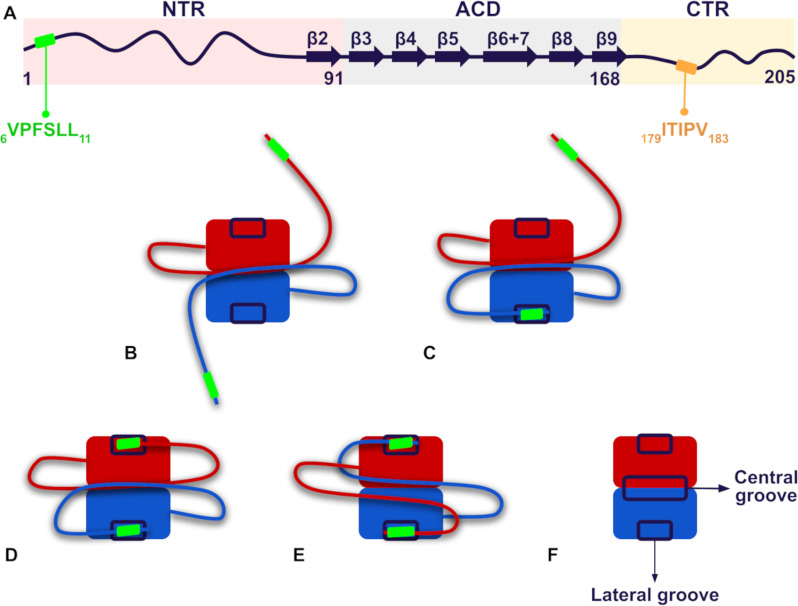 Figure 1
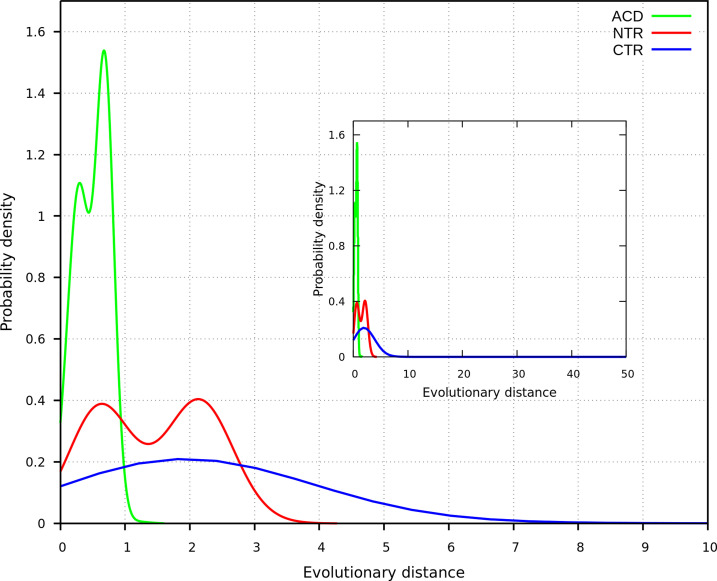 Figure 2
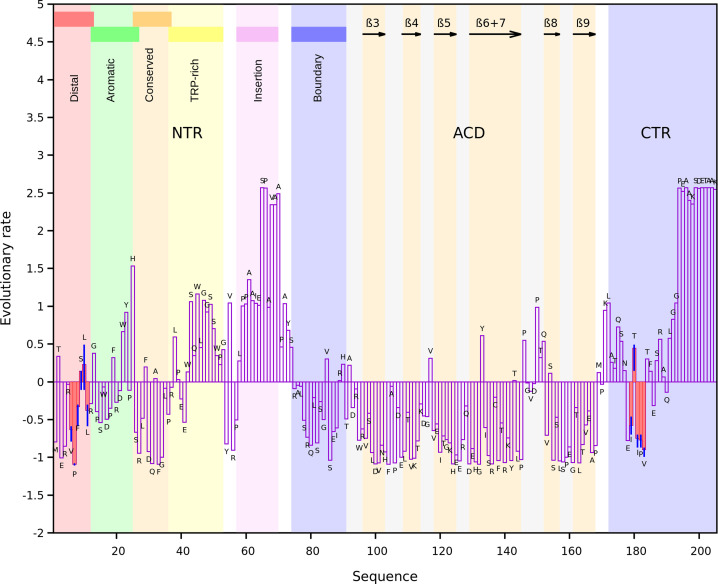 Figure 3
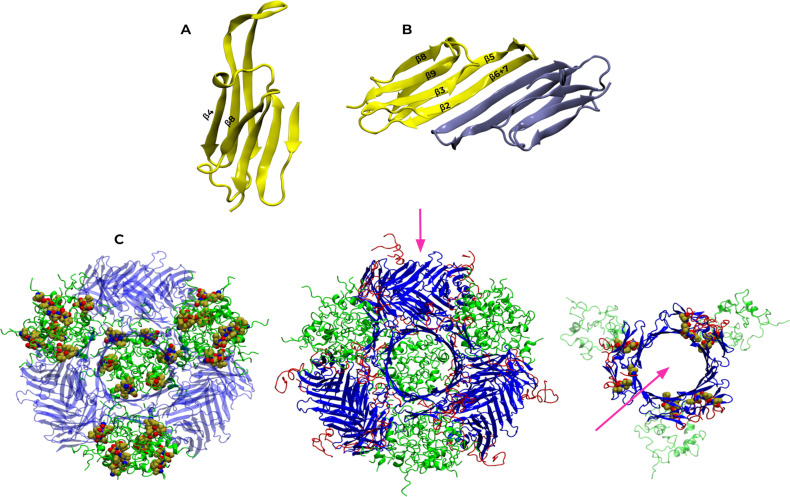 Figure 4
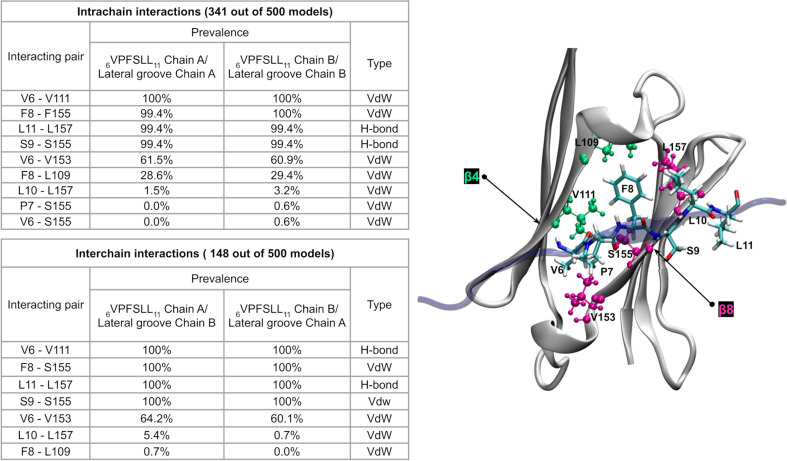 Figure 5
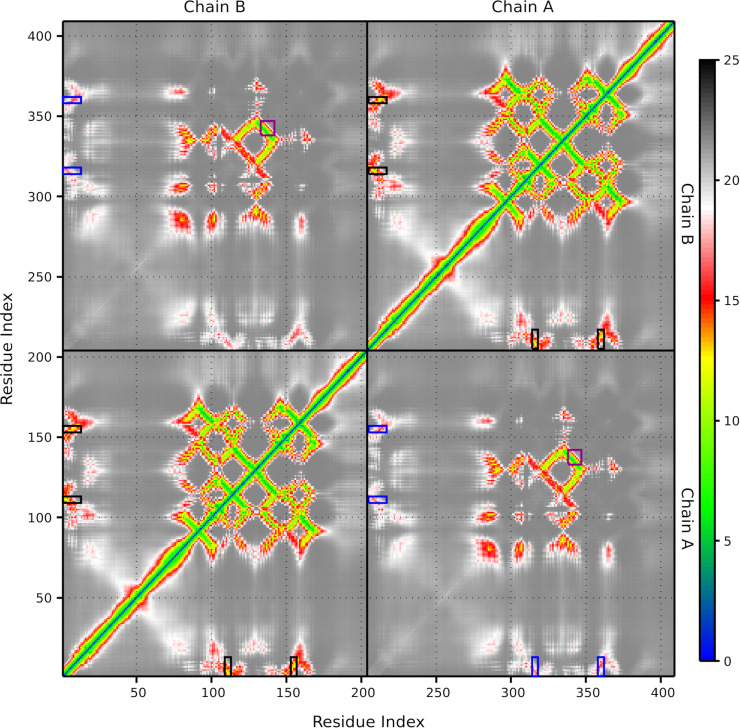 Figure 6
Peer Reviews
No public reviews on file for this paper yet. If you reviewed it on a platform where reviews are public (OpenReview, ICLR, NeurIPS, ICML), you can paste yours below so the community can read it here.
Videos
No videos yet. Explain this paper in a talk, walkthrough, or lecture? Add one.
Taxonomy
TopicsHeat shock proteins research · Protein Structure and Dynamics · Biochemical effects in animals