Replacing non-biomedical concepts improves embedding of biomedical concepts
Enock Niyonkuru, Mauricio Soto Gomez, Elena Casarighi, Stephan Antogiovanni, Hannah Blau, Justin T. Reese, Giorgio Valentini, Peter N. Robinson

TL;DR
Replacing non-biomedical synonyms improves the quality of biomedical word embeddings by reducing noise and increasing cluster coherence.
Contribution
Introducing non-biomedical synonym replacement as a complementary method to enhance biomedical embedding quality.
Findings
Replacing non-biomedical synonyms reduced mean intra-cluster distance by 8% on average.
The method was applied to 1,055 biomedical concept sets using Word2Vec on PubMed abstracts.
Improved coherence suggests better embedding quality for downstream machine learning tasks.
Abstract
Embeddings are semantically meaningful representations of words in a vector space, commonly used to enhance downstream machine learning applications. Traditional biomedical embedding techniques often replace all synonymous words representing biological or medical concepts with a unique token, ensuring consistent representation and improving embedding quality. However, the potential impact of replacing non-biomedical concept synonyms has received less attention. Embedding approaches often employ concept replacement to replace concepts that span multiple words, such as non-small-cell lung carcinoma, with a single concept identifier (e.g., D002289). Also, all synonyms of each concept are merged into the same identifier. Here, we additionally leveraged WordNet to identify and replace sets of non-biomedical synonyms with their most common representatives. This combined approach aimed to…
Genes, proteins, chemicals, diseases, species, mutations and cell lines named across the full text — each resolved to its canonical identifier and authoritative record.
Click any figure to enlarge with its caption.
 Figure 1
 Figure 2
 Figure 3
 Figure 4
 Figure 5
 Figure 6
 Figure 7
 Figure 8
 Figure 9
 Figure 10
 Figure 11
 Figure 12
 Figure 13
 Figure 14
 Figure 15
 Figure 16
 Figure 17
 Figure 18
 Figure 19
 Figure 20
 Figure 21
 Figure 22
 Figure 23
 Figure 24
 Figure 25
 Figure 26
 Figure 27
 Figure 28
 Figure 29
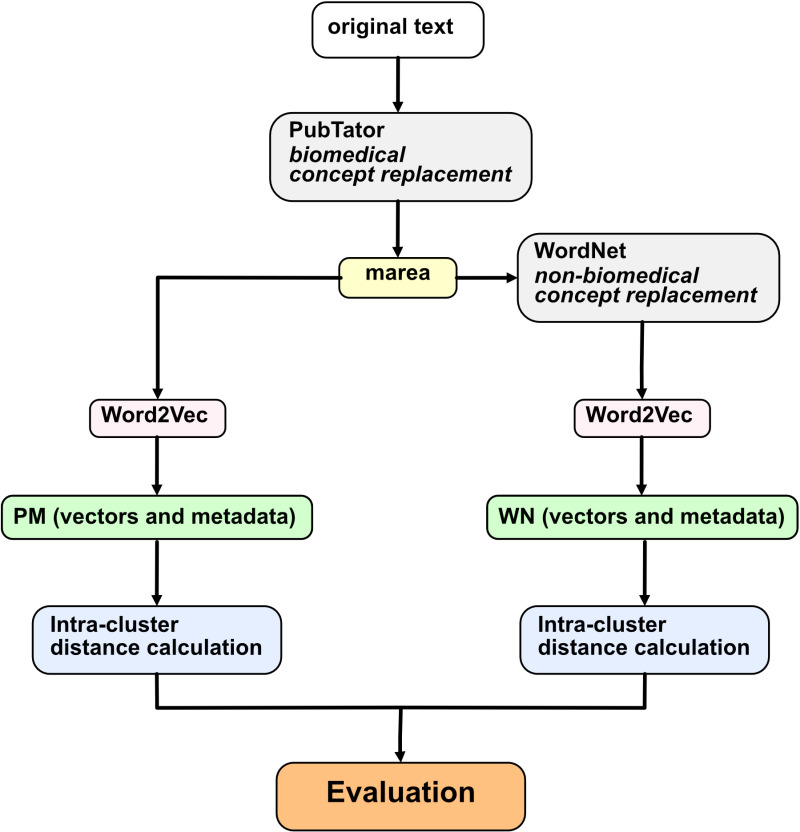 Figure 30
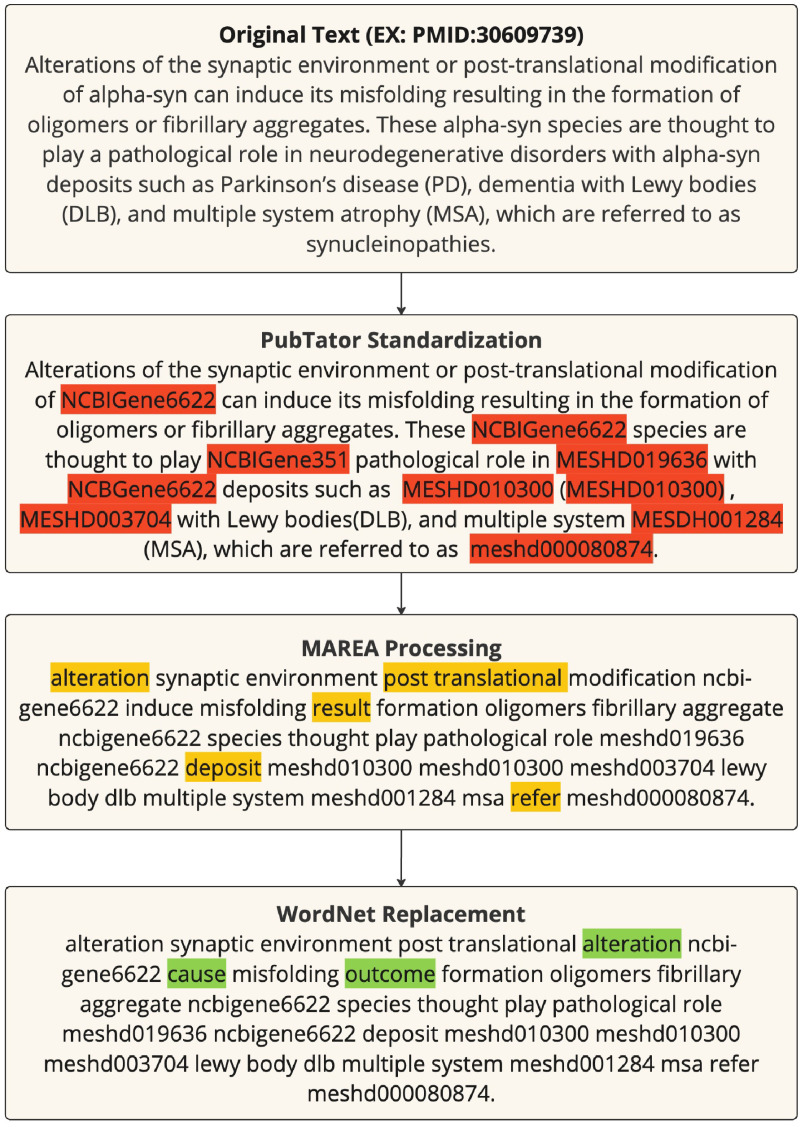 Figure 31
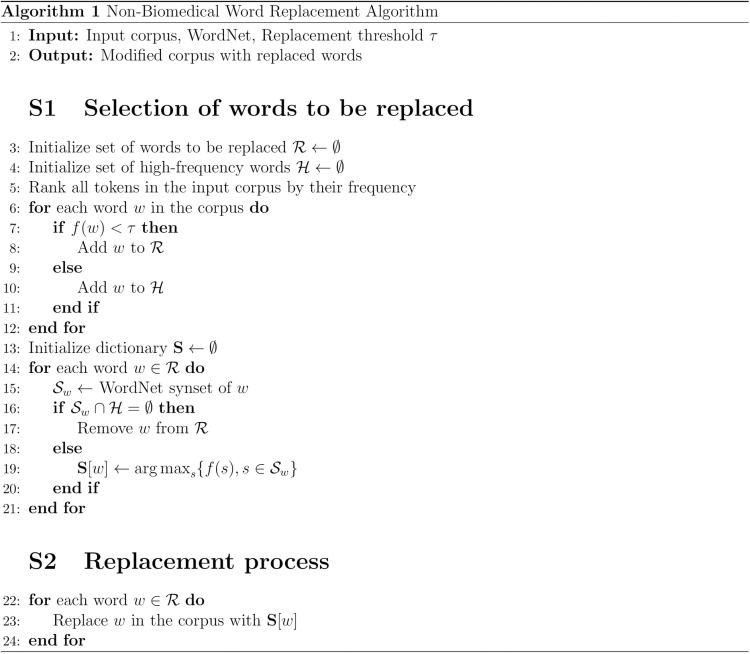 Figure 32
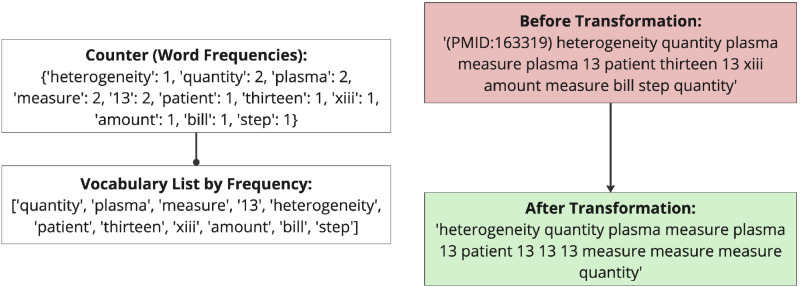 Figure 33
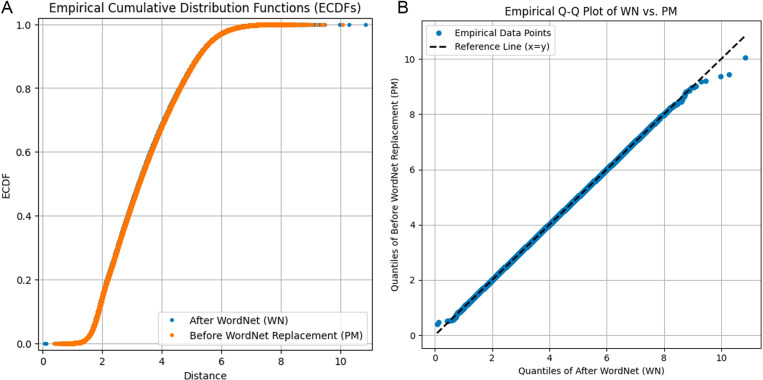 Figure 34
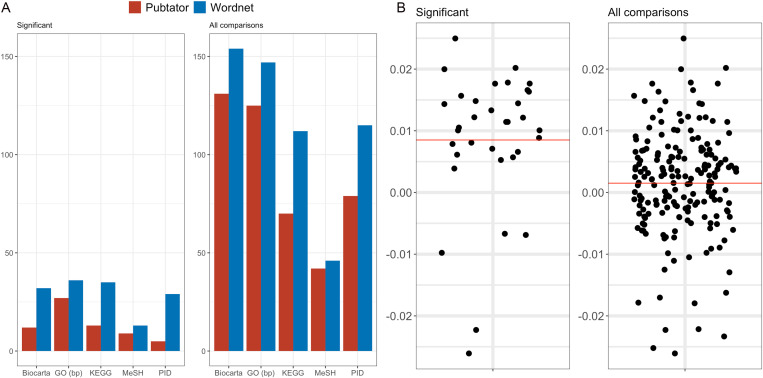 Figure 35
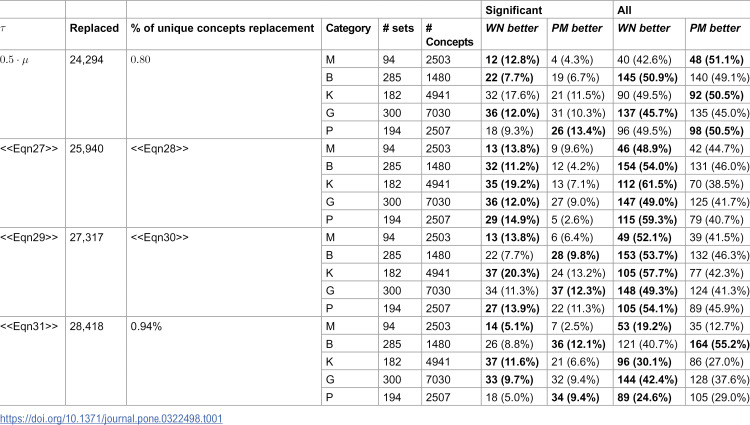 Figure 36
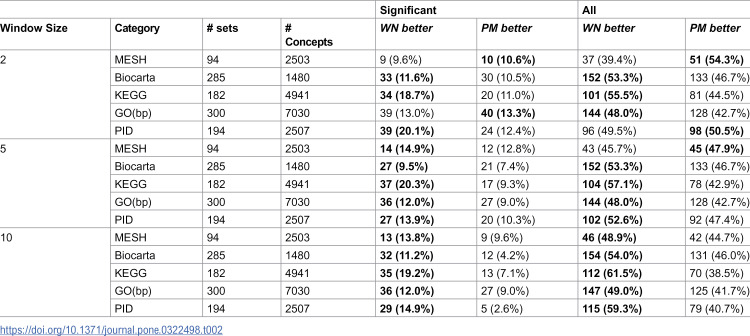 Figure 37
Peer Reviews
No public reviews on file for this paper yet. If you reviewed it on a platform where reviews are public (OpenReview, ICLR, NeurIPS, ICML), you can paste yours below so the community can read it here.
Videos
No videos yet. Explain this paper in a talk, walkthrough, or lecture? Add one.
Taxonomy
TopicsBiomedical Text Mining and Ontologies · Topic Modeling · Natural Language Processing Techniques