Hyperphosphatemic Familial Tumoral Calcinosis With a Large Hip Mass
Issa Ali, Yehuda Galili, Teresa Bernardes, Steve Carlan

TL;DR
A 35-year-old man with a hip mass was diagnosed with a rare genetic disorder causing abnormal phosphate levels and calcification, requiring surgery and dietary treatment.
Contribution
This case highlights the delayed diagnosis and management challenges of hyperphosphatemic familial tumoral calcinosis in an adult patient.
Findings
The patient had a pathogenic variant in the GALNT3 gene, confirming a diagnosis of hyperphosphatemic familial tumoral calcinosis.
Surgical excision and phosphate-lowering treatment were effective in managing the calcinosis and hyperphosphatemia.
Delayed diagnosis is common due to slow symptom progression, emphasizing the need for early awareness and genetic counseling.
Abstract
Hyperphosphatemic familial tumoral calcinosis (HFTC) is a rare autosomal recessive disorder that generally presents in the first two decades of life with ectopic calcification throughout the body. The underlying metabolic disorder is caused by a mutation in a gene responsible for regulating fibroblast growth factor 23 (FGF23) activity. Loss of regulation of FGF23 results in hyperphosphatemia resulting in the characteristic tissue calcinosis deposits, especially in periarticular locations. The diagnosis is made with imaging, hyperphosphatemia, and genetic testing. Medical and surgical treatments are recommended to reduce blood phosphate and remove the masses. A 35-year-old male presented with a painful left lateral hip mass that had been gradually enlarging over the past four months. X-rays showed amorphous calcific densities in the left hip consistent with tumoral calcinosis. Magnetic…
Genes, proteins, chemicals, diseases, species, mutations and cell lines named across the full text — each resolved to its canonical identifier and authoritative record.
Click any figure to enlarge with its caption.
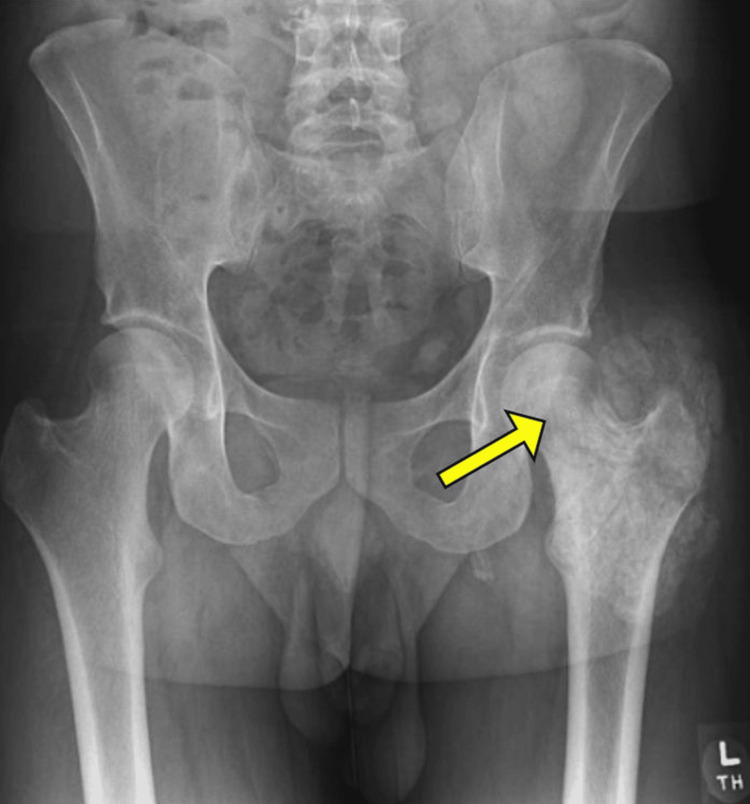 Figure 1
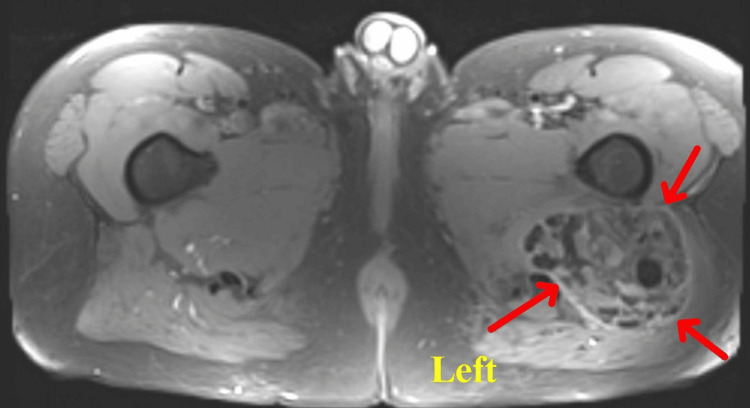 Figure 2
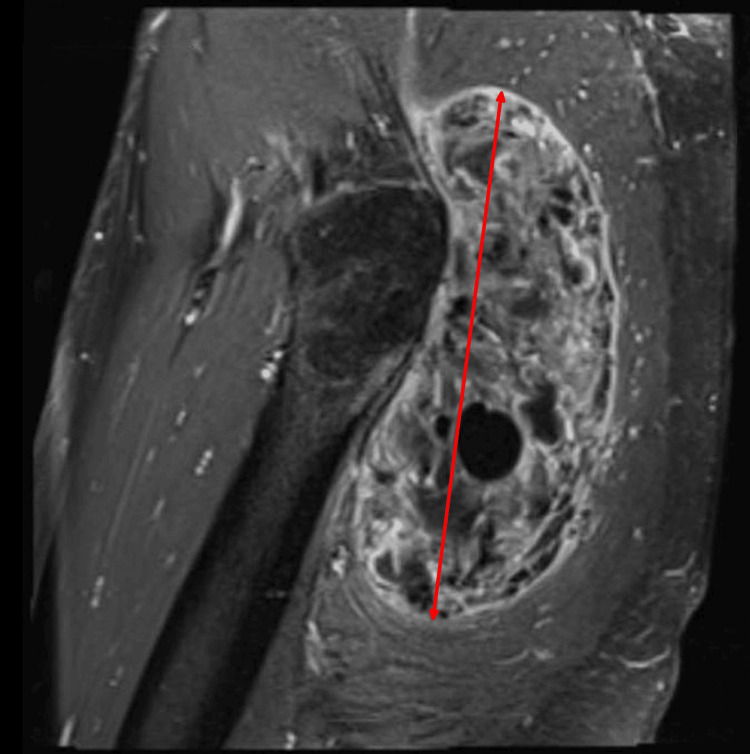 Figure 3
Peer Reviews
No public reviews on file for this paper yet. If you reviewed it on a platform where reviews are public (OpenReview, ICLR, NeurIPS, ICML), you can paste yours below so the community can read it here.
Videos
No videos yet. Explain this paper in a talk, walkthrough, or lecture? Add one.
Taxonomy
TopicsParathyroid Disorders and Treatments · Medical Imaging and Pathology Studies · Heterotopic Ossification and Related Conditions