Triatoma rubrofasciata as a potential vector for bartonellosis
Peichao Deng, Binglian Qin, Anli Liang, Qingan Zhou, Xiaoyin Fu, Xiaoquan Liu, Chenghui Lao, Xiaoqin Li, Shanshan He, Lili Tang, Ziwen Zhao, Wenjie Chen, Dengyu Liu, Yanwen Li, Yunliang Shi

TL;DR
This study shows that Triatoma rubrofasciata may spread Bartonella, a bacteria causing bartonellosis, by carrying and transmitting multiple species to mice.
Contribution
The study identifies T. rubrofasciata as a potential vector for Bartonella, including zoonotic species, through experimental transmission to mice.
Findings
Six Bartonella species, including zoonotic ones, were identified in T. rubrofasciata.
B. elizabethae and B. rochalimae persisted in T. rubrofasciata for at least eight weeks.
T. rubrofasciata had higher Bartonella diversity compared to rats, ticks, and cat fleas.
Abstract
Bartonella spp. are most often transmitted by arthropod vectors or animal bites and scratches. However, the vector species involved in the transmission of human bartonellosis remain poorly understood. This study investigated the presence of Bartonella in Triatoma rubrofasciata from Guangxi and Hainan provinces in China, evaluating its potential as a vector. Bartonella was identified in T. rubrofasciata samples through PCR amplification and sequencing of the ITS, gltA, and rpoB genes. The survival duration of Bartonella in triatomines, along with the potential for transovarial transmission was examined. Transmission experiments were conducted to determine whether T. rubrofasciata could transmit Bartonella to mice. Additionally, Bartonella spp. were also compared across rats, ticks, and cat fleas collected from the same regions. Results: Six Bartonella species were identified in T.…
Genes, proteins, chemicals, diseases, species, mutations and cell lines named across the full text — each resolved to its canonical identifier and authoritative record.
Click any figure to enlarge with its caption.
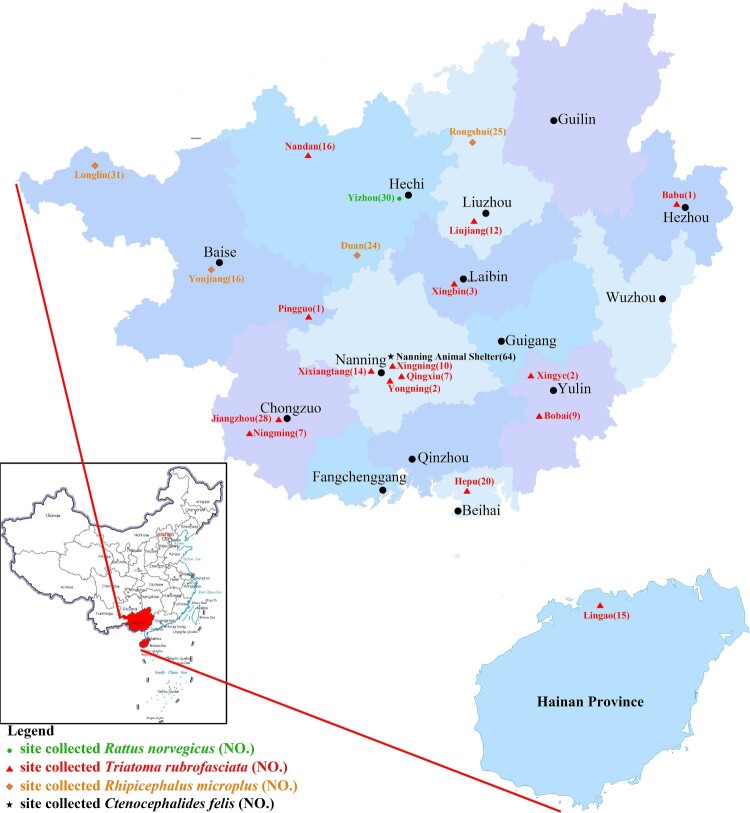 Figure 1
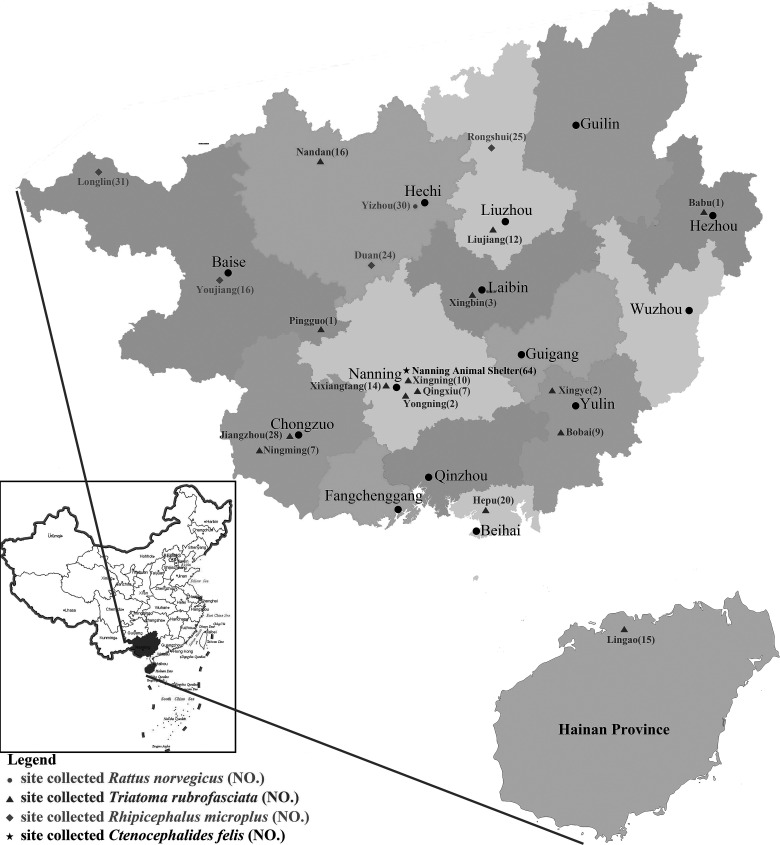 Figure 2
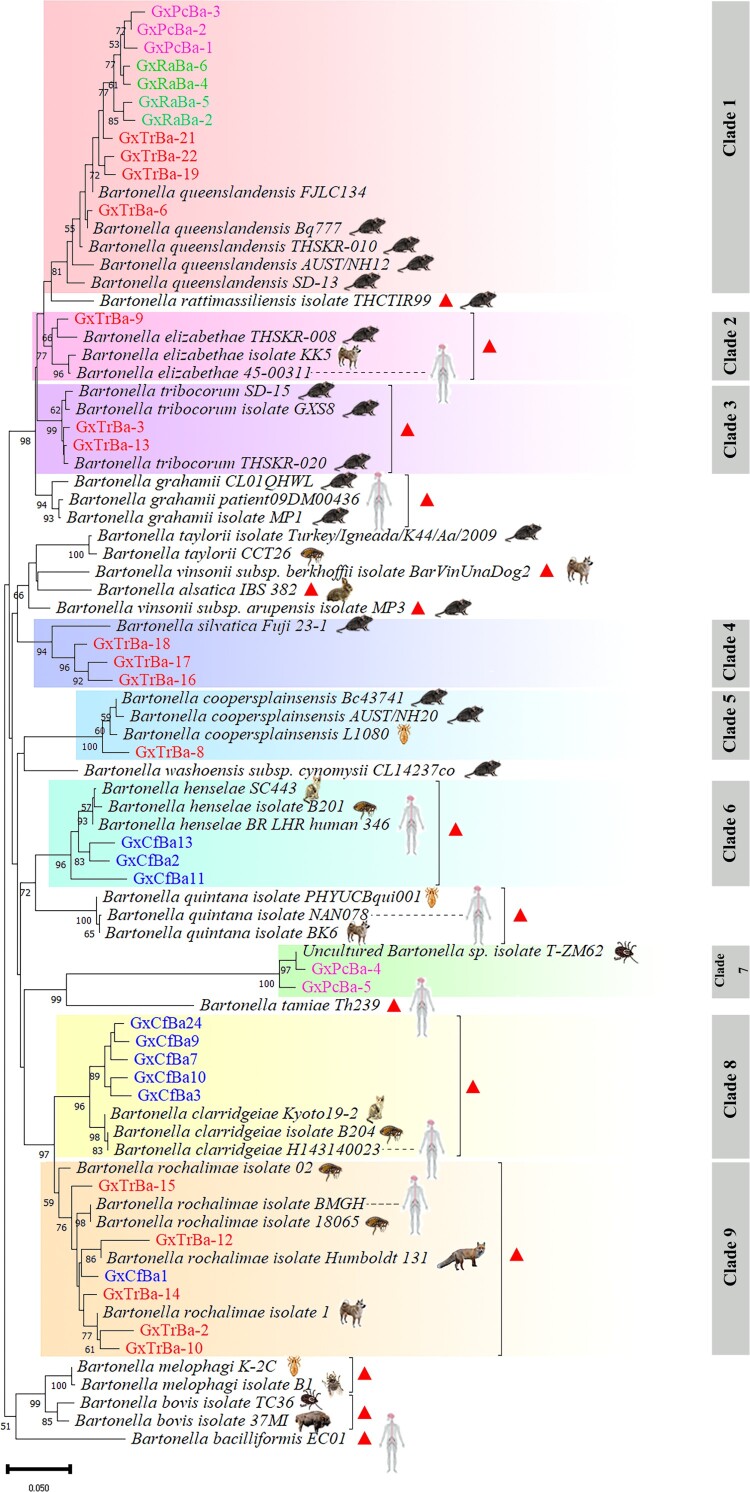 Figure 3
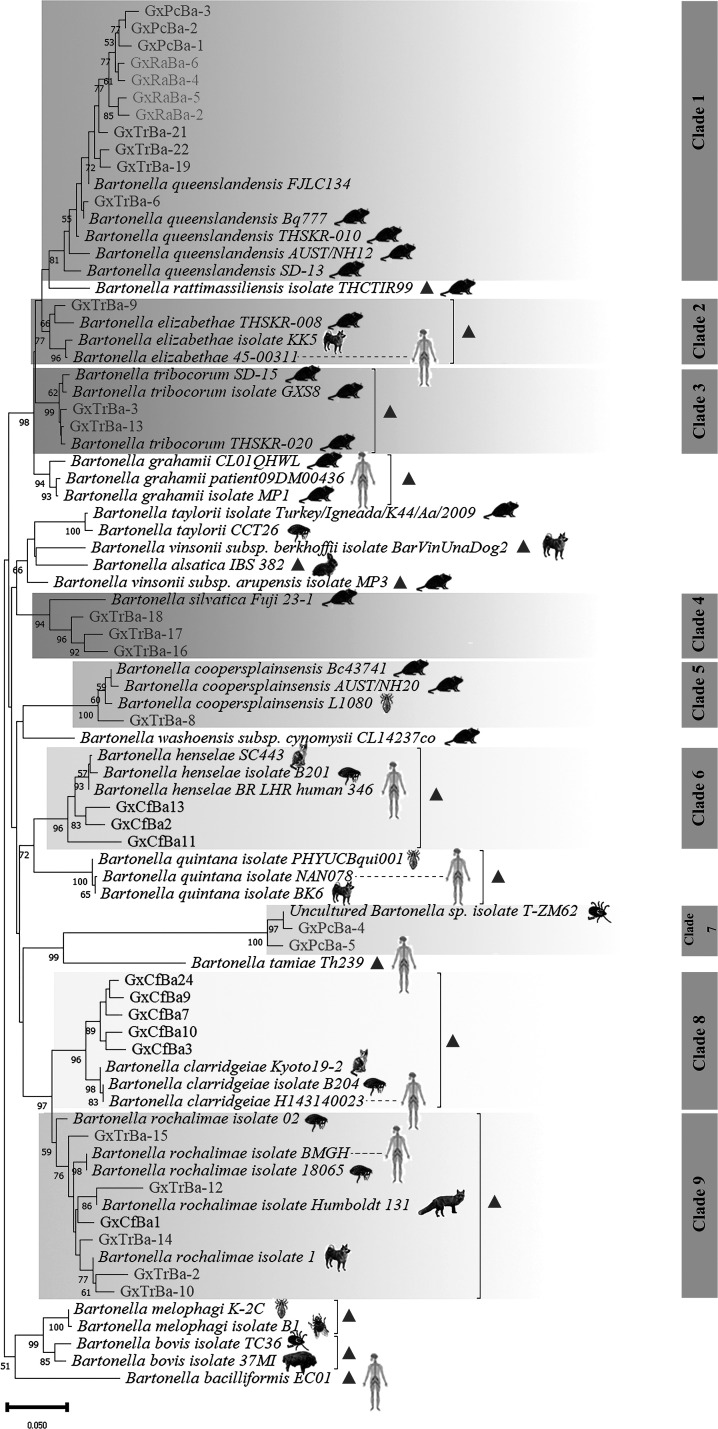 Figure 4
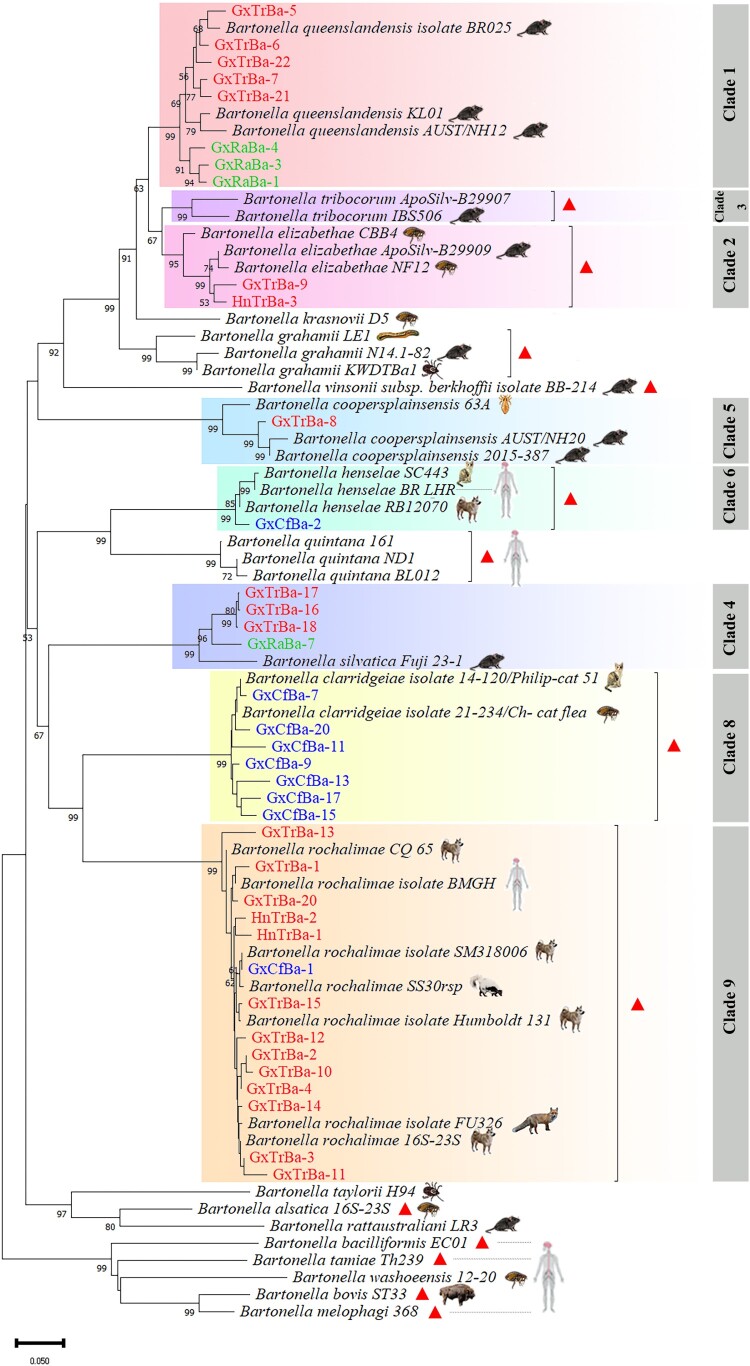 Figure 5
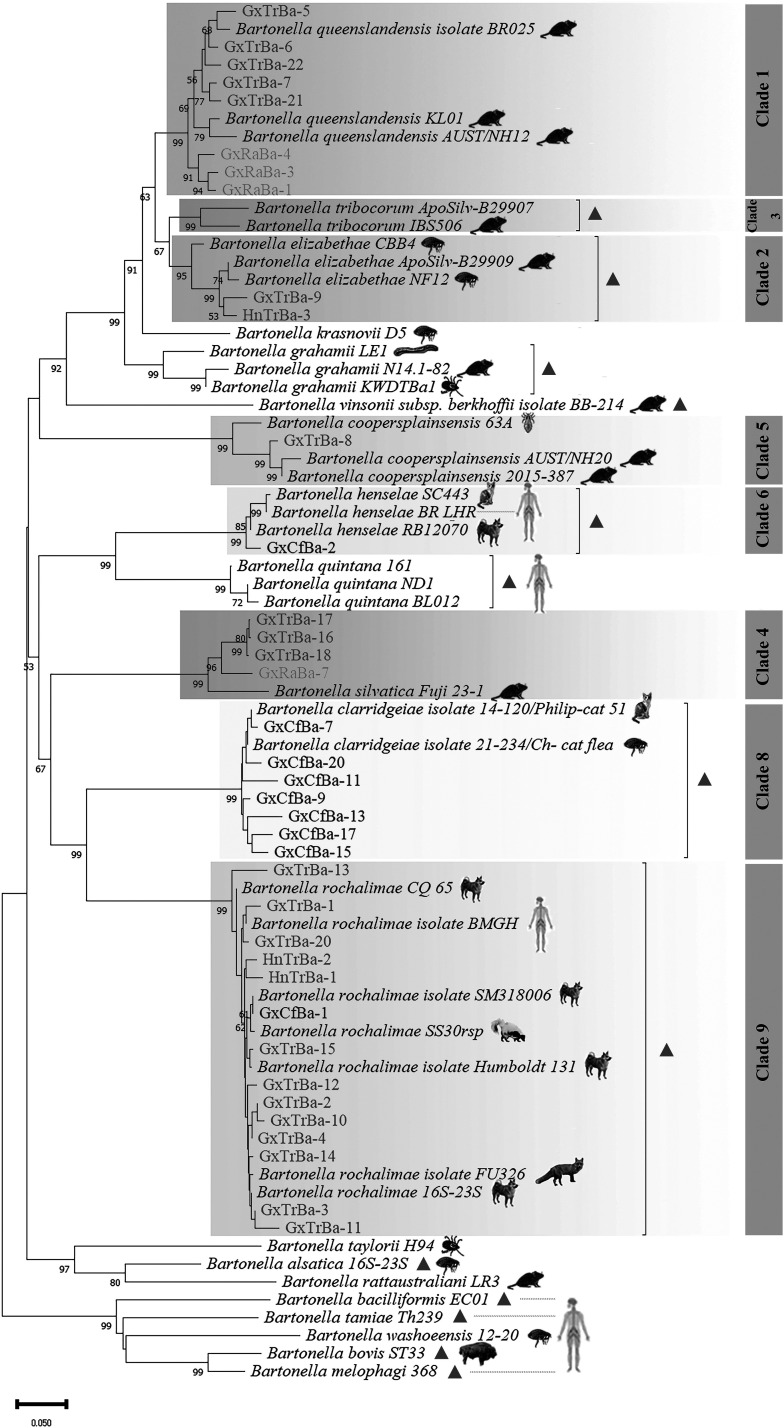 Figure 6
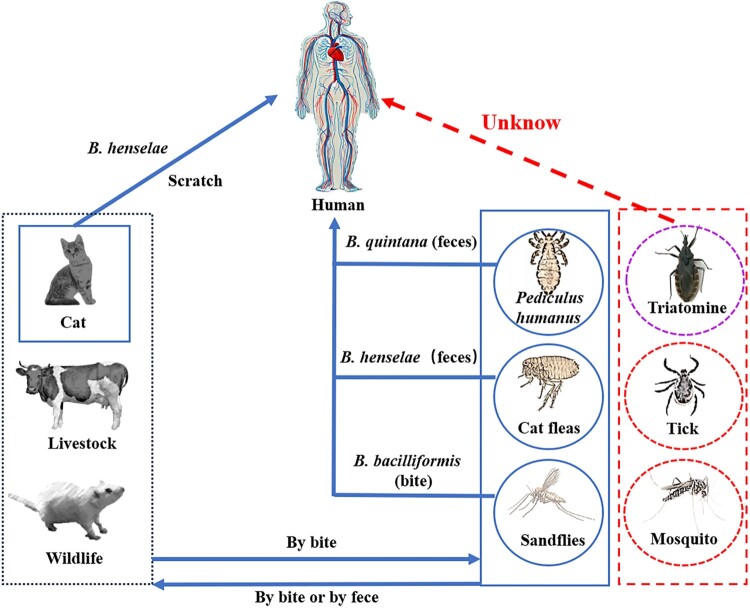 Figure 7
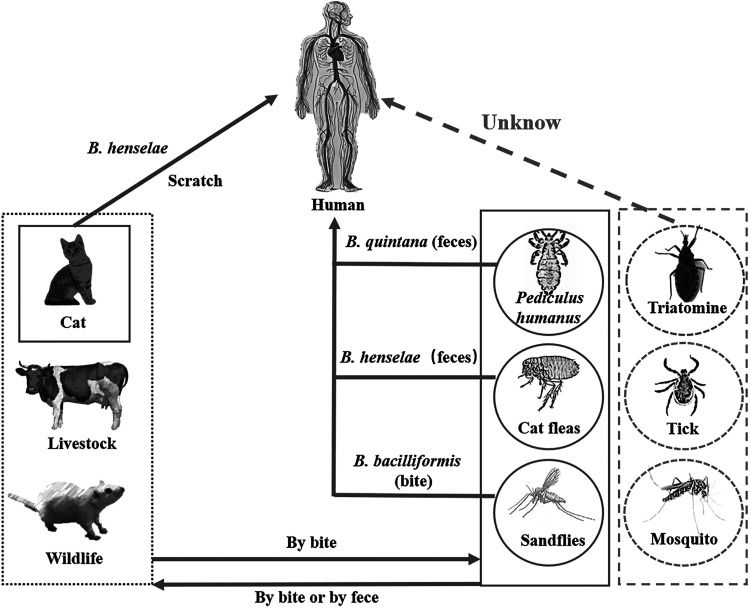 Figure 8
Peer Reviews
No public reviews on file for this paper yet. If you reviewed it on a platform where reviews are public (OpenReview, ICLR, NeurIPS, ICML), you can paste yours below so the community can read it here.
Videos
No videos yet. Explain this paper in a talk, walkthrough, or lecture? Add one.
Taxonomy
TopicsBartonella species infections research · Viral Infections and Vectors · Plant and Fungal Interactions Research