Void spot assay visualization optimization for use of Void Whizzard in rats (Rattus norvegicus)
Hannah Ruetten, Jadyn Bothe, Shannon Lankford, Gopal Badlani, James Koudy Williams

TL;DR
This study improves a noninvasive method to evaluate urination in rats by optimizing how urine spots are visualized and analyzed.
Contribution
The study introduces a standardized protocol for Void Spot Assay using ninhydrin spray for better visualization and analysis of urine spots.
Findings
Ultraviolet light and bright field light significantly differ in urine spot area measurements.
Ninhydrin spray effectively highlights urine spots for digital camera imaging.
Human fingerprints interfere with the analysis of small urine spots but not larger ones.
Abstract
Void spot assay (VSA) noninvasively evaluates urination. This study optimizes VSA by comparing post‐assay paper visualization techniques: bright field light (BF), ultraviolet light (UV), and ninhydrin spray (N). Male rats were placed in filter paper lined cages for 4 h. After the assay, all papers were dried. BF images were photographed (digital camera). UV images were captured using a Darkroom ultraviolet imaging cabinet. Papers were sprayed with ninhydrin and photographed (digital camera). All images were converted to binary for analysis with Void Whizzard. UV versus BF significantly differed in area. All three groups significantly differed in overall spot count and spots 0–0.1 cm2. UV versus N and UV versus BF significantly differed in 0.1–0.25 cm2 spots, UV versus N in 0.25–0.5 cm2, and N versus BF in spots 0.5–1 cm2. Overall BF visualization proved difficult. N provided an ideal…
Genes, proteins, chemicals, diseases, species, mutations and cell lines named across the full text — each resolved to its canonical identifier and authoritative record.
Click any figure to enlarge with its caption.
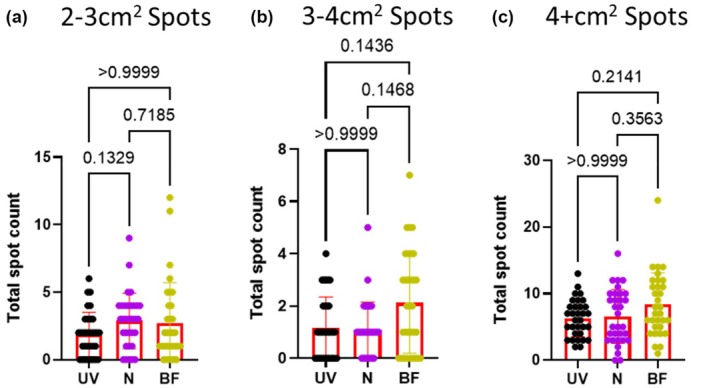 Figure 1
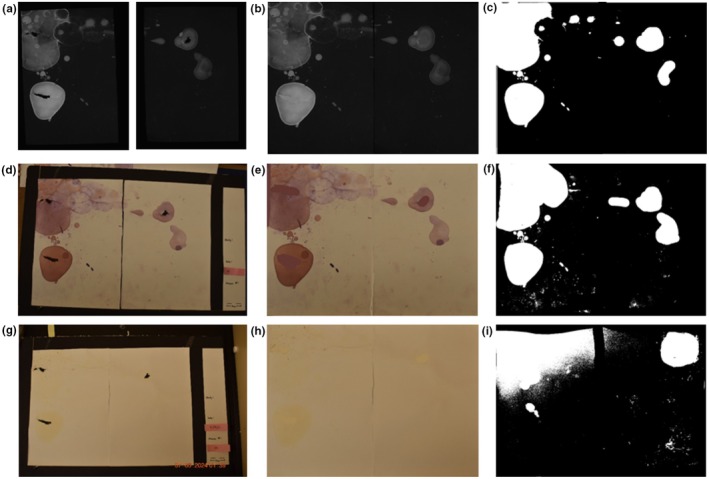 Figure 2
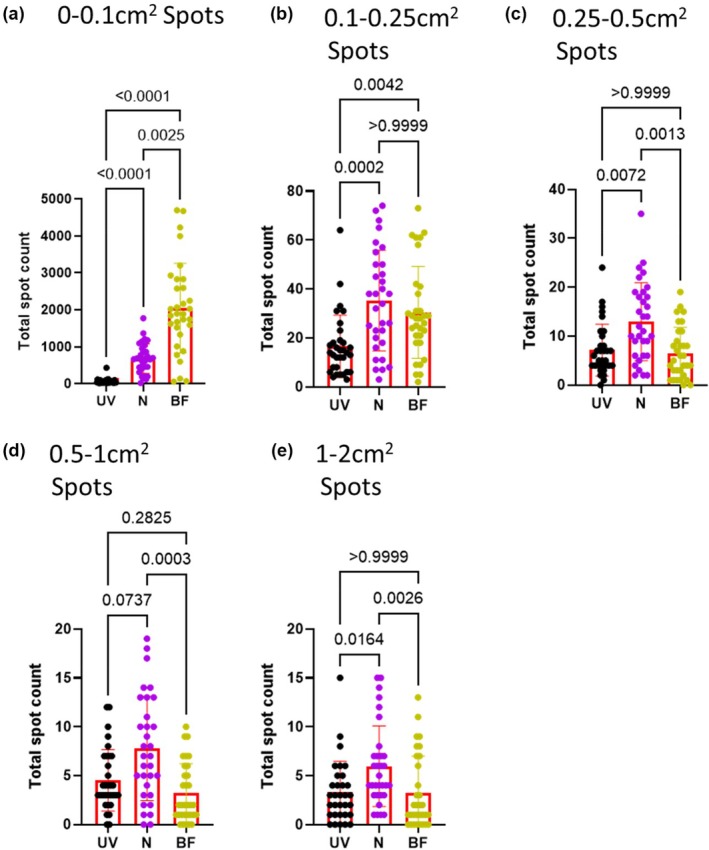 Figure 3
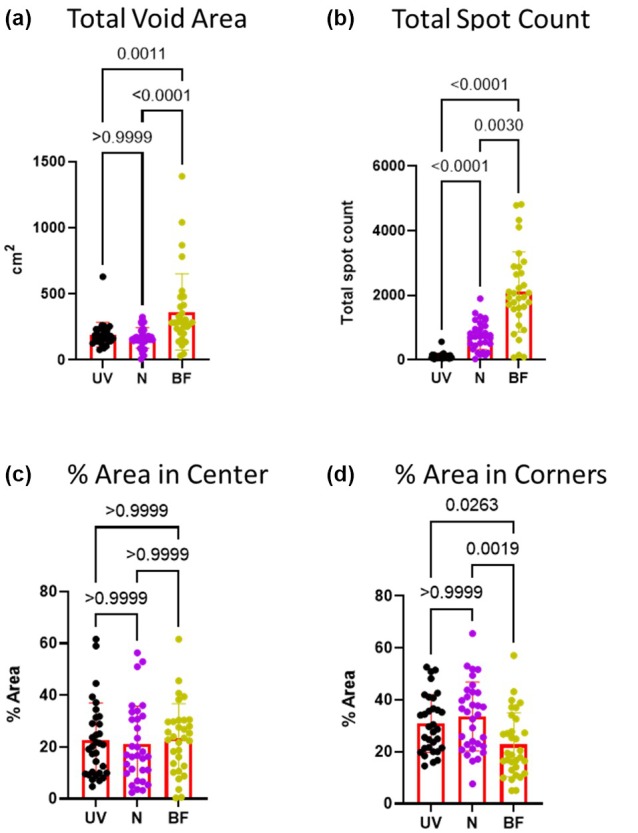 Figure 4
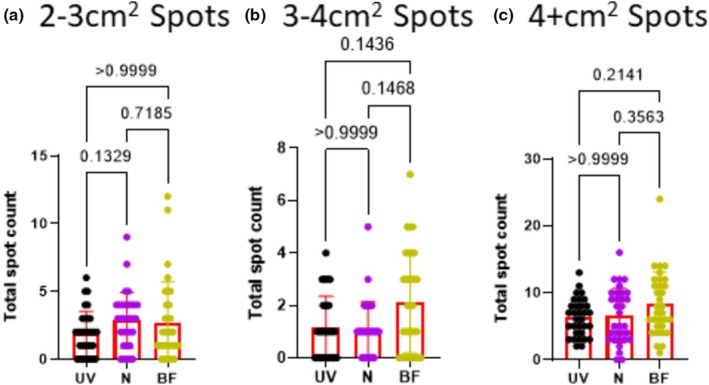 Figure 5
Peer Reviews
No public reviews on file for this paper yet. If you reviewed it on a platform where reviews are public (OpenReview, ICLR, NeurIPS, ICML), you can paste yours below so the community can read it here.
Videos
No videos yet. Explain this paper in a talk, walkthrough, or lecture? Add one.
Taxonomy
TopicsHormonal and reproductive studies · Forensic Toxicology and Drug Analysis · Urinary Bladder and Prostate Research