Comparing the impact of transcatheter ASD closure on echocardiographic indices in adults below and above 50 years
Reza Kiani, Parisa Firoozbakhsh, Negar Dokhani, Azin Alizadehasl, Hooman Bakhshandeh, Ata Firouzi, Ali Zahedmehr, Mahnaz Daneshzadeh

TL;DR
This study compares how transcatheter ASD closure affects heart function in adults younger and older than 50, finding greater improvement in older patients.
Contribution
The study reveals that older adults experience more pronounced cardiac improvements after ASD closure compared to younger adults.
Findings
ASD closure significantly improves biventricular systolic function, LV diastolic function, and reduces SPAP and chamber sizes.
Patients aged 50 and older showed more significant functional improvements despite worse baseline cardiac parameters.
There was no significant difference in SPAP reduction between the two age groups.
Abstract
Transcatheter device closure is the method of choice for the closure of secundum atrial septal defects (ASD) with appropriate anatomic characteristics, leading to symptomatic relief, increased survival rates, cardiac remodeling, and improved cardiac function. Assessing the impact of transcatheter ASD closure on echocardiographic indices and comparing them between individuals younger and older than 50. In this retrospective cohort study, 240 patients with isolated secundum ASD and complete documentation and follow-up data who underwent transcatheter device closure between 2015 and 2019 were included. Demographic, peri-procedural, and echocardiographic findings were compared before and after the procedure and among two age groups. A total of 240 patients (68% female, 44% younger than 50) with a median age of 51 underwent transcatheter ASD closure. ASD closure led to a significant…
Genes, proteins, chemicals, diseases, species, mutations and cell lines named across the full text — each resolved to its canonical identifier and authoritative record.
Click any figure to enlarge with its caption.
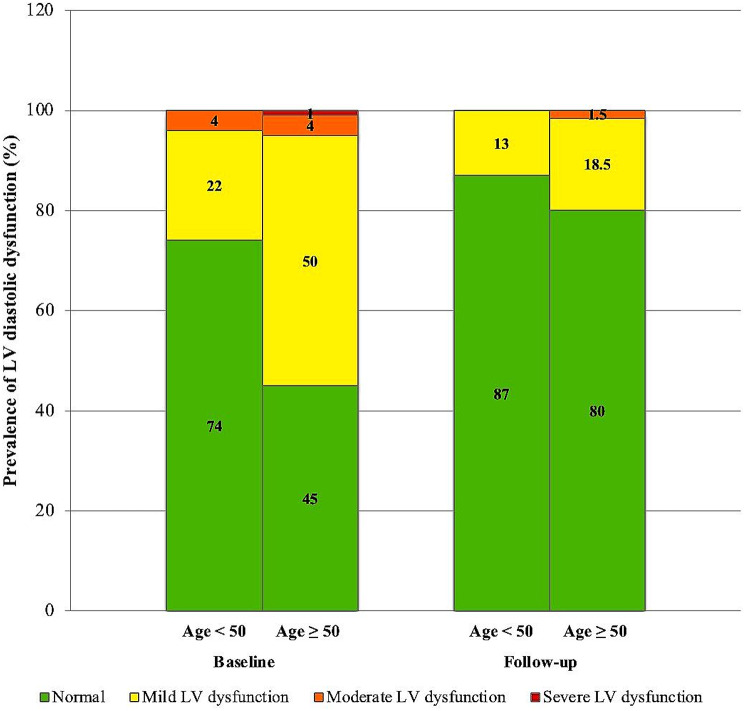 Figure 1
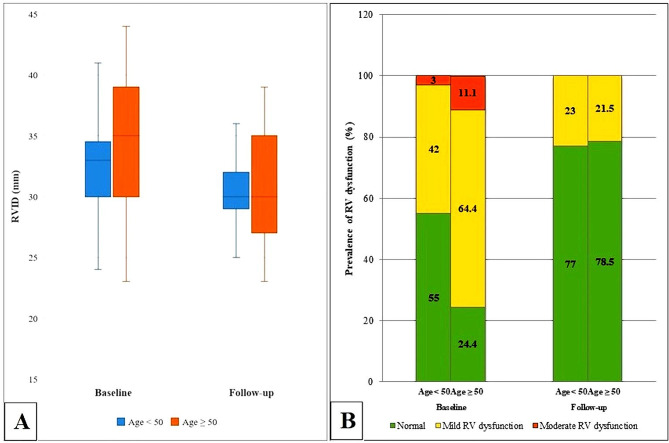 Figure 2
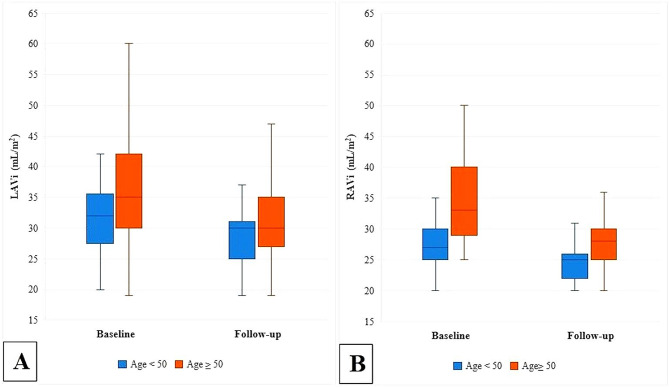 Figure 3
Peer Reviews
No public reviews on file for this paper yet. If you reviewed it on a platform where reviews are public (OpenReview, ICLR, NeurIPS, ICML), you can paste yours below so the community can read it here.
Videos
No videos yet. Explain this paper in a talk, walkthrough, or lecture? Add one.
Taxonomy
TopicsCardiovascular and Diving-Related Complications · Congenital Heart Disease Studies · Coronary Artery Anomalies