Right-brain utilization in pharmacists' dispensing processes: an eye-tracking analysis of efficiency and safety using error-induction models
Toshikazu Tsuji, Kenichiro Nagata, Masayuki Tanaka, Shiori Iwane, Shigeru Hasebe, Yuto Nishiyama, Nana Yoshikawa, Hiroyuki Watanabe, Shigeru Ishida, Takeshi Hirota, Ichiro Ieiri, Mayako Uchida

TL;DR
This study uses eye-tracking to show that visual cues in prescriptions help pharmacists dispense drugs more efficiently and safely, reducing errors.
Contribution
The study introduces error-induction models and eye-tracking to analyze right-brain utilization in pharmacists' dispensing processes.
Findings
Pharmacists made fewer errors and had smoother workflows with color/symbol combinations compared to numeral combinations.
Right-brain visual processing improved efficiency and safety during drug dispensing.
Error rates were significantly lower in models using visual cues for similar-name drugs.
Abstract
Dispensing errors associated with “same-name drugs” and “similar-name drugs” are common, negatively affecting patients. Using two pairs of error-induction models, this study analyzed pharmacists' gaze movements while dispensing by an eye-tracking method to interpret their thought processes. Thus, we aimed to assess the efficiency and safety of dispensing processes by examining right-brain function using error-induction models. We created verification slides for display on a prescription monitor and three drug rack monitors. The prescription monitor displayed the dispensing information, including drug name, drug usage, location display, and total amount. A total of 180 drugs, including five target drugs, were displayed on the three-drug rack monitors. We measured total gaze points in the prescription area (Gaze 1), total gaze points in the drug rack area (Gaze 2), total vertical eye…
Genes, proteins, chemicals, diseases, species, mutations and cell lines named across the full text — each resolved to its canonical identifier and authoritative record.
Click any figure to enlarge with its caption.
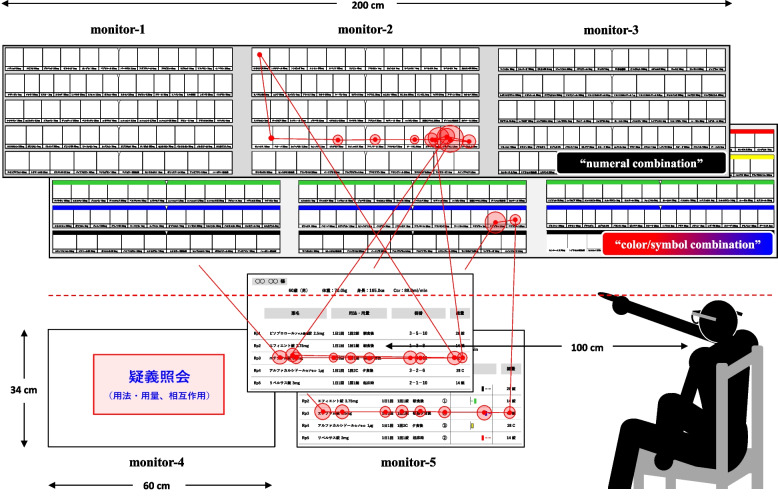 Figure 1
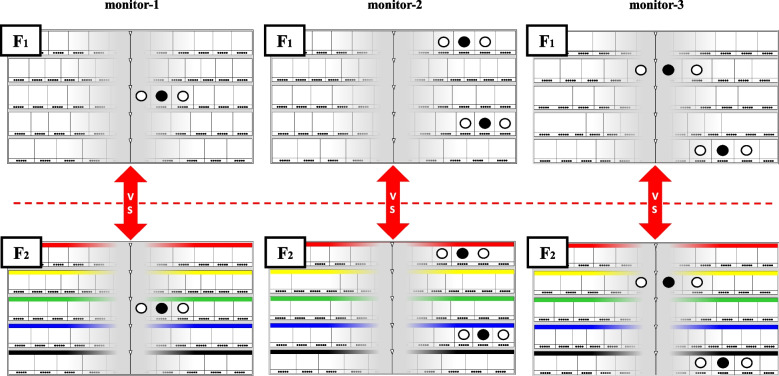 Figure 2
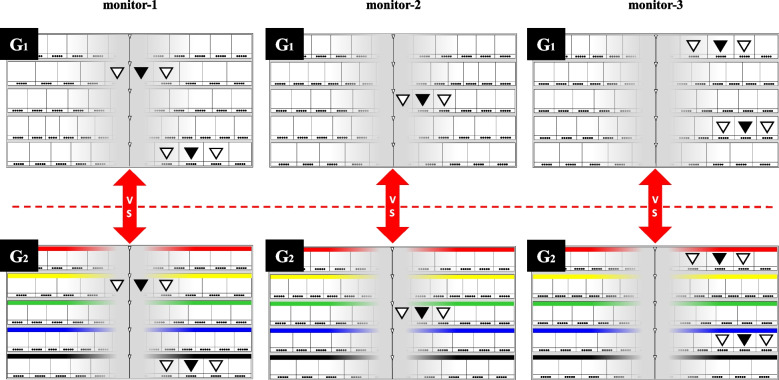 Figure 3
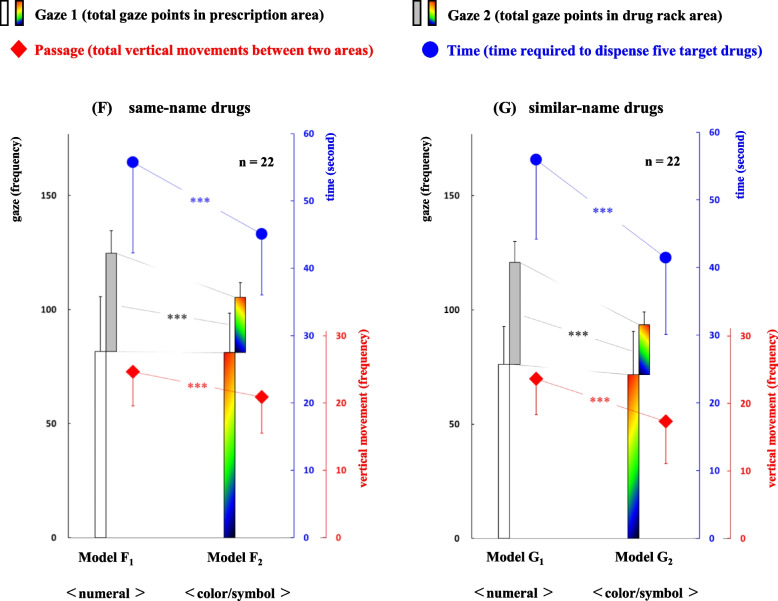 Figure 4
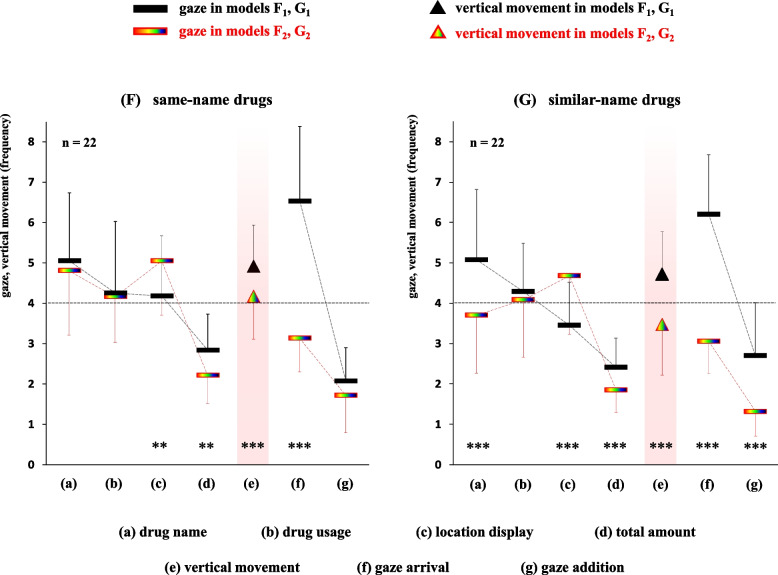 Figure 5
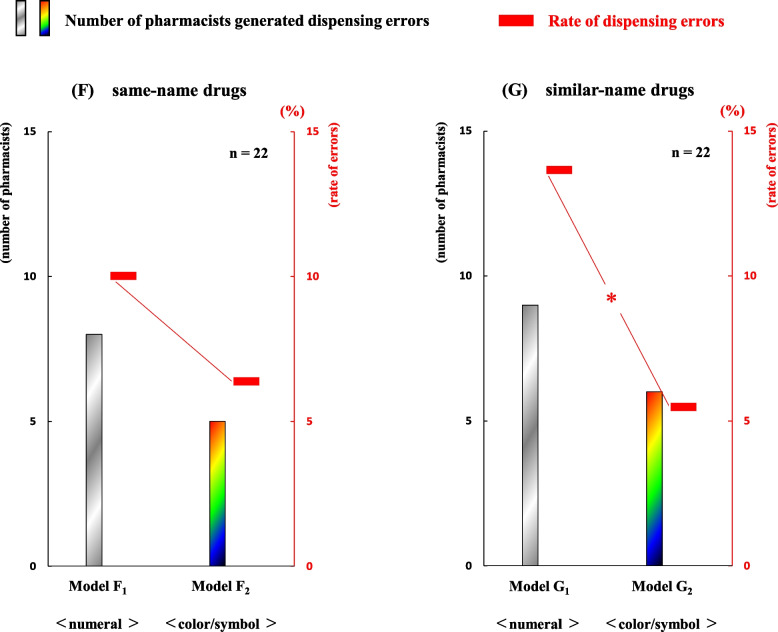 Figure 6
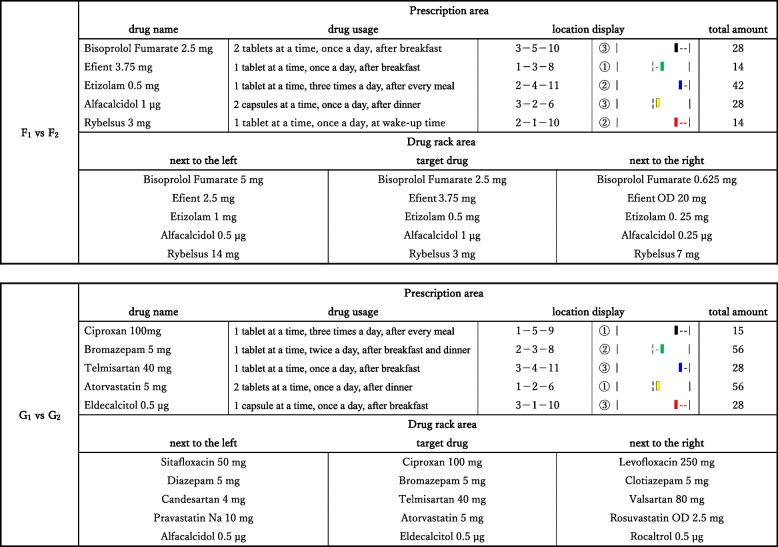 Figure 7
Peer Reviews
No public reviews on file for this paper yet. If you reviewed it on a platform where reviews are public (OpenReview, ICLR, NeurIPS, ICML), you can paste yours below so the community can read it here.
Videos
No videos yet. Explain this paper in a talk, walkthrough, or lecture? Add one.
Taxonomy
TopicsPharmacy and Medical Practices · Visual and Cognitive Learning Processes