Water‐Soluble Iron Porphyrins as Catalysts for Suppressing Chlorinated Disinfection Byproducts in Hypochlorite‐Dependent Water Remediation
Silène Engbers, Maja J. Lind, Mathias L. Skavenborg, Johannes E. M. N. Klein, Frants R. Lauritsen, Christine J. McKenzie

TL;DR
Scientists found that iron porphyrins can help reduce harmful byproducts in water treatment while still effectively cleaning the water.
Contribution
The study introduces water-soluble iron porphyrins as effective catalysts for suppressing chlorinated byproducts during water remediation.
Findings
Both positively and negatively charged iron porphyrins equally suppress chlorinated disinfection byproducts.
Spectroscopic studies revealed transient formation of Compound II and regeneration of iron(III) porphyrin at low hypochlorite concentrations.
Iron porphyrins promote phenol degradation to CO2 and H2O without forming harmful byproducts.
Abstract
We are facing a world‐wide shortage of clean drinking water which will only be further exacerbated by climate change. The development of reliable and affordable methods for water remediation is thus of utmost importance. Chlorine (which forms active hypochlorites in solution) is the most commonly used disinfectant due to its reliability and low cost. One drawback is that it reacts with organic pollutants to generate toxic chlorinated byproducts. To mitigate chlorination in water remediation, we have investigated the use of catalytic amounts of charged water‐soluble iron porphyrins. These are known to activate hypochlorite to generate high valent oxoiron species. We studied the depletion of the model micropollutant phenol and the accumulation of chlorinated disinfection byproducts under water remediation conditions, using iron porphyrins [(TMPyP)FeCl]Cl4 and (NH4)4[(TPPS)FeCl] as…
Genes, proteins, chemicals, diseases, species, mutations and cell lines named across the full text — each resolved to its canonical identifier and authoritative record.
Click any figure to enlarge with its caption.
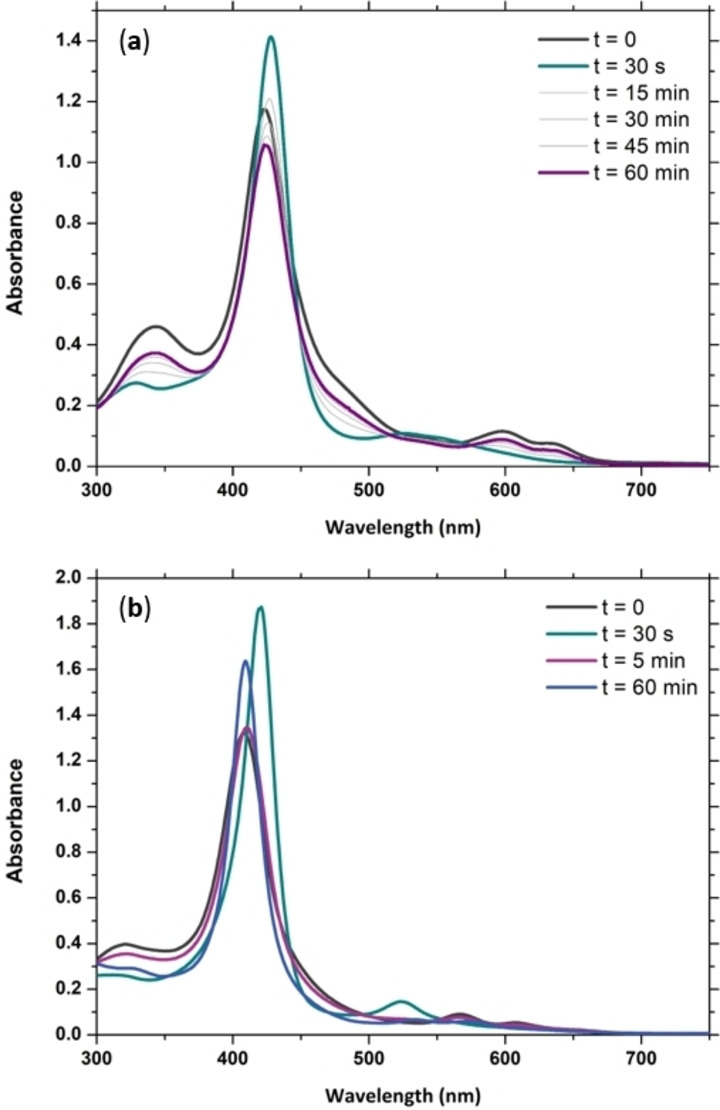 Figure 1
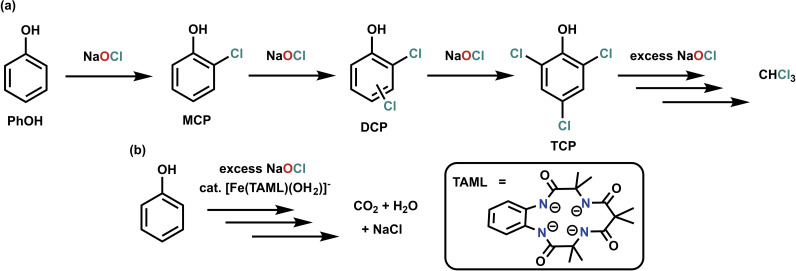 Figure 2
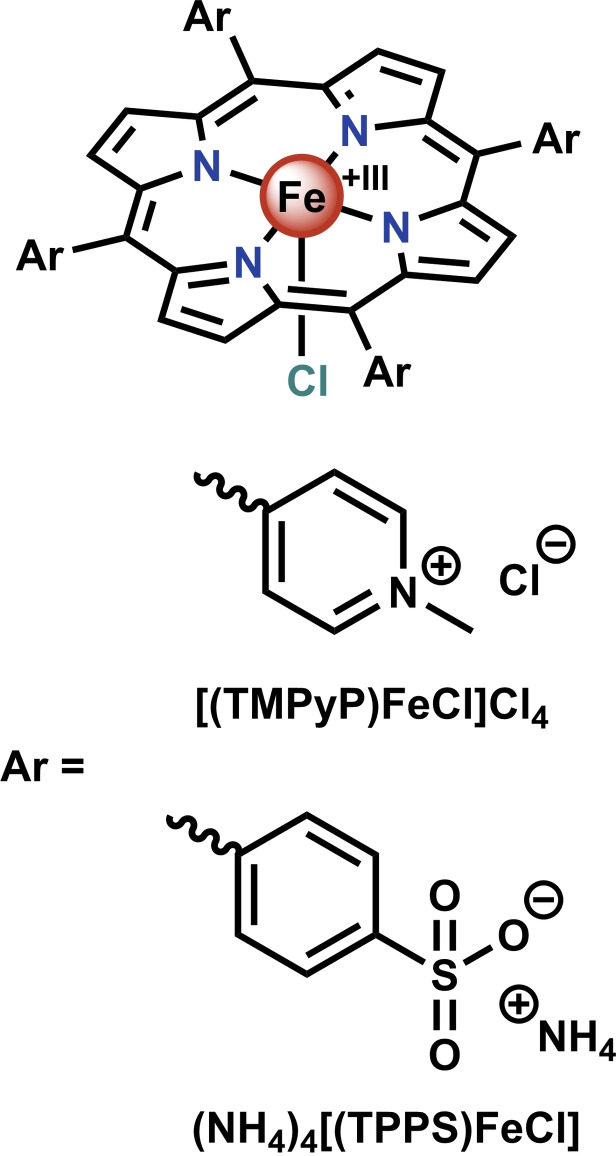 Figure 3
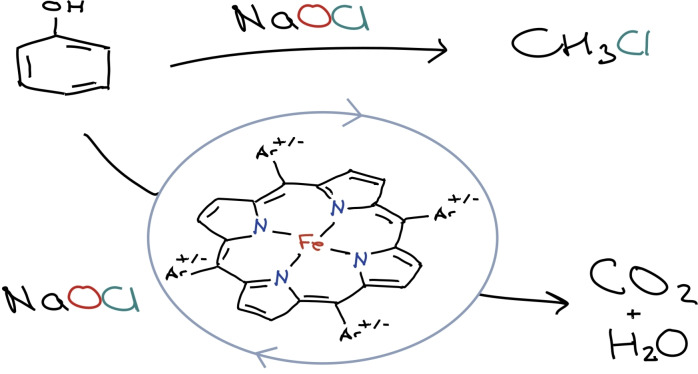 Figure 4
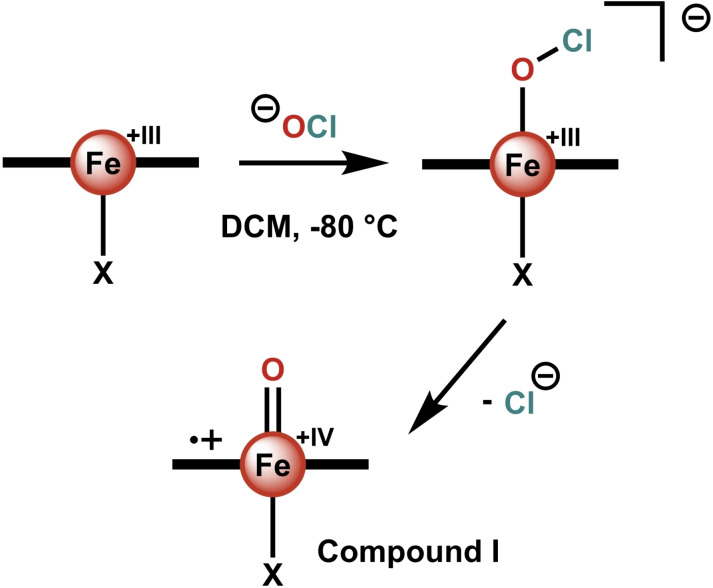 Figure 5
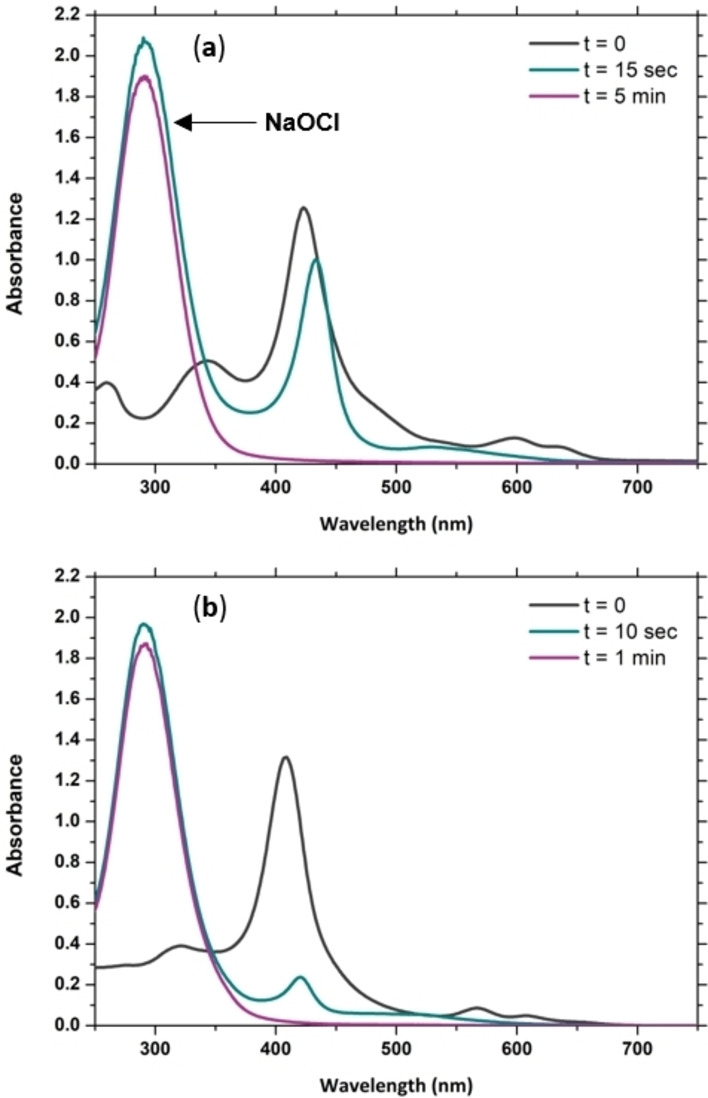 Figure 6
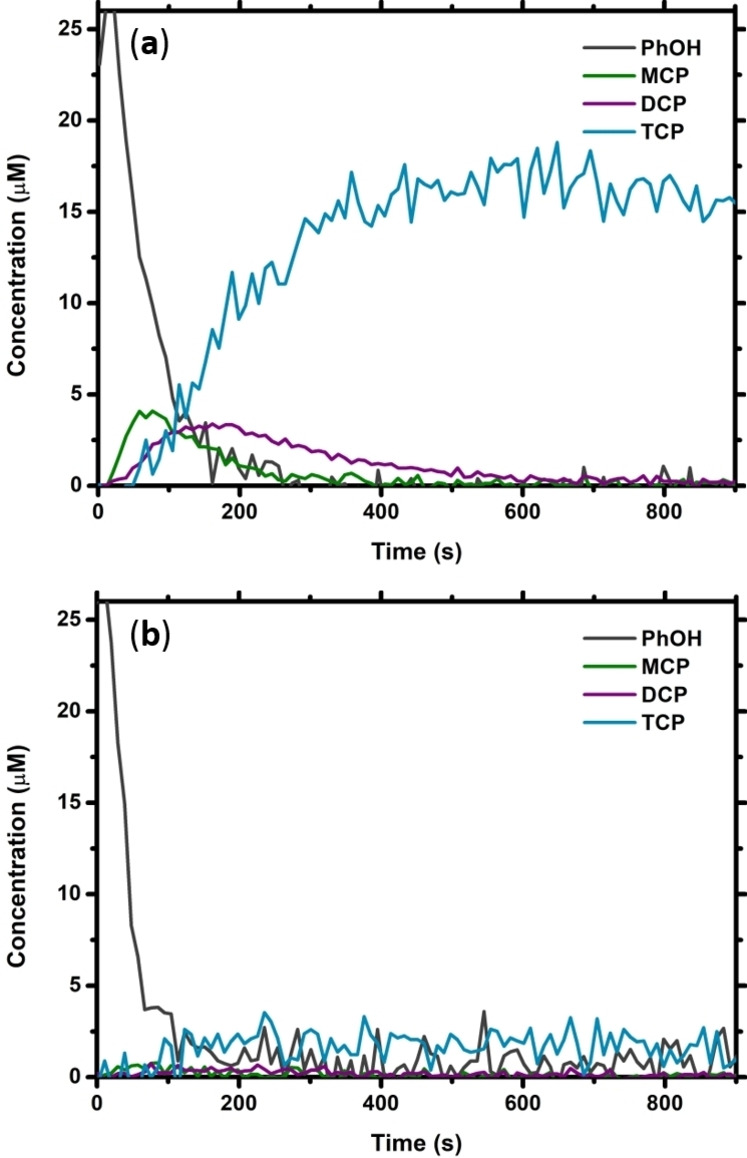 Figure 7
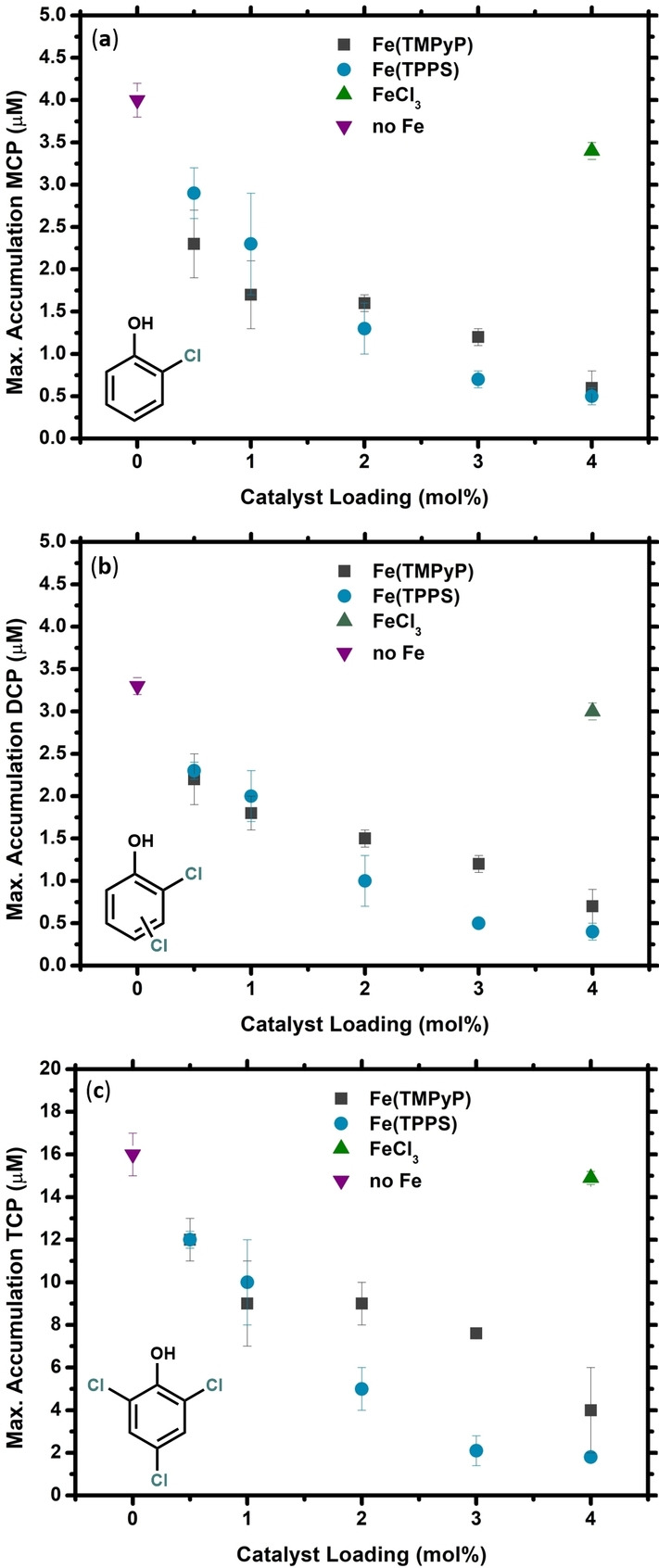 Figure 8
Peer Reviews
No public reviews on file for this paper yet. If you reviewed it on a platform where reviews are public (OpenReview, ICLR, NeurIPS, ICML), you can paste yours below so the community can read it here.
Videos
No videos yet. Explain this paper in a talk, walkthrough, or lecture? Add one.
Taxonomy
TopicsEnvironmental remediation with nanomaterials · Water Treatment and Disinfection · Advanced oxidation water treatment