Expression and purification of E140 protein antigen fragments of Plasmodium vivax and Plasmodium berghei for serological assays
Rodolfo Ferreira Marques, Edit Ábrahám, Hiromi Muramatsu, Daniel Youssef Bargieri, Norbert Pardi, Zoltán Lipinszki

TL;DR
This paper describes a protocol for producing and purifying E140 protein fragments from two Plasmodium species to test immune responses in potential malaria vaccines.
Contribution
The study introduces a reproducible method for expressing and purifying E140 protein fragments from Plasmodium berghei and Plasmodium vivax for use in serological assays.
Findings
E140 protein fragments from Plasmodium berghei and Plasmodium vivax were successfully expressed and purified.
The purified proteins were used in ELISA to detect antigen-specific antibody responses in vaccinated mice.
The protocol includes steps for expression, solubilization, refolding, purification, and quality control of the E140 fragments.
Abstract
Malaria, a life‐threatening disease caused by Plasmodium parasites, continues to pose a significant global health threat, with nearly 250 million infections and over 600 000 deaths reported annually by the WHO. Fighting malaria is particularly challenging partly due to the complex life cycle of the parasite. However, technological breakthroughs such as the development of the nucleoside‐modified mRNA lipid nanoparticle (mRNA‐LNP) vaccine platform, along with the discovery of novel conserved Plasmodium antigens such as the E140 protein, present new opportunities in malaria prevention. Importantly, production of recombinant proteins for malaria vaccine evaluation by serological assays often represents an additional hurdle because many Plasmodium proteins are complex and often contain transmembrane domains that make production and purification particularly difficult. This research protocol…
Genes, proteins, chemicals, diseases, species, mutations and cell lines named across the full text — each resolved to its canonical identifier and authoritative record.
Click any figure to enlarge with its caption.
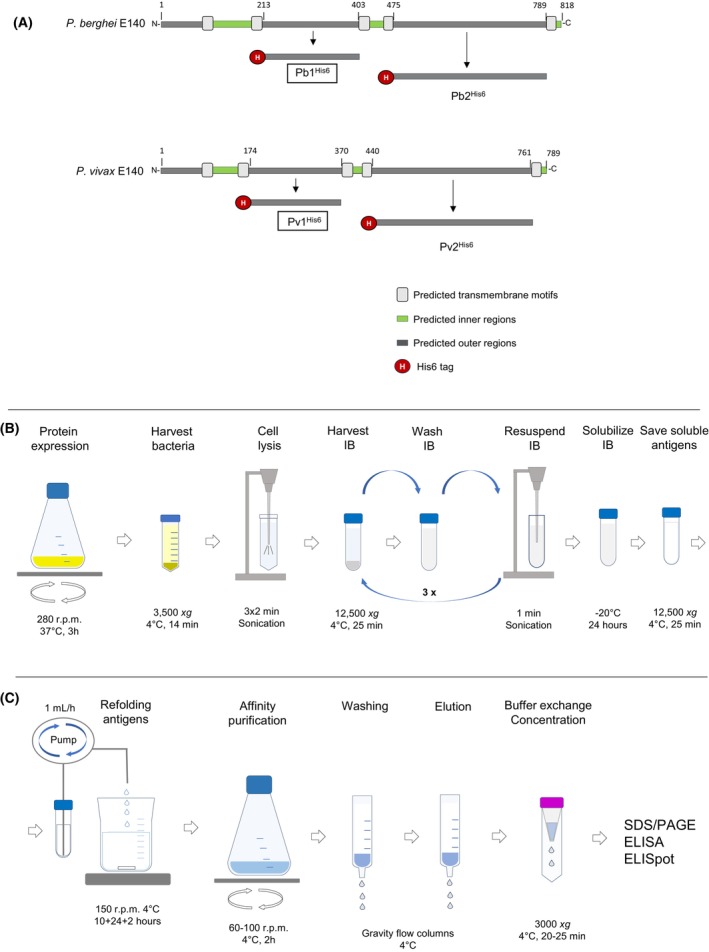 Figure 1
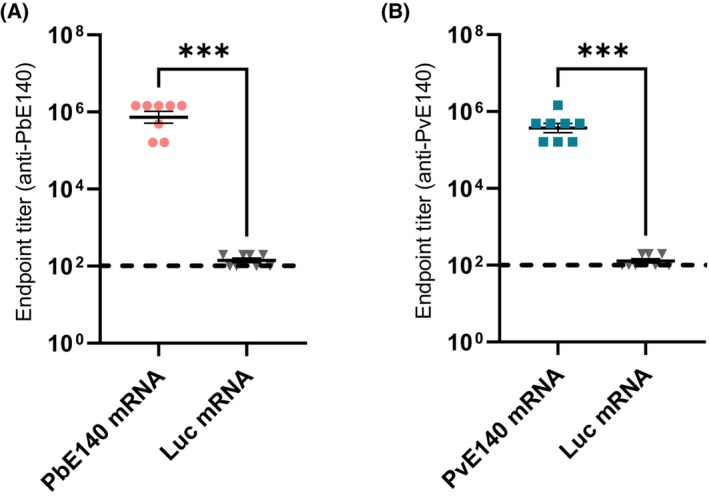 Figure 2
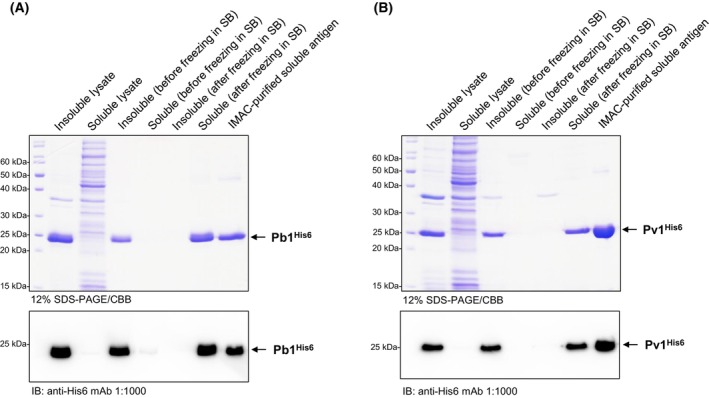 Figure 3
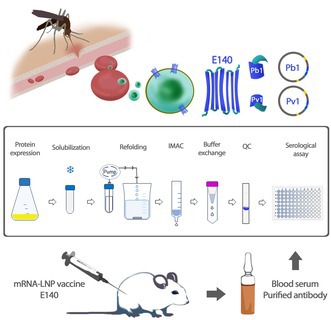 Figure 4
Peer Reviews
No public reviews on file for this paper yet. If you reviewed it on a platform where reviews are public (OpenReview, ICLR, NeurIPS, ICML), you can paste yours below so the community can read it here.
Videos
No videos yet. Explain this paper in a talk, walkthrough, or lecture? Add one.
Taxonomy
TopicsBacteriophages and microbial interactions · Hepatitis B Virus Studies · Virology and Viral Diseases