Pyogenic Liver Abscess as a Cause of Sepsis: A Case Report
Ricardo Morales-Garcia, Victor M Ayuso-Diaz, Iván Sanchez, Nayeli X Rico-Sanchez, Karen V Patiño-Amaro, Angelica Moreno-Enriquez

TL;DR
A 54-year-old man with a liver abscess caused sepsis, but recovered after surgical drainage and antibiotics.
Contribution
This case highlights the importance of timely diagnosis and intervention for pyogenic liver abscess to prevent sepsis.
Findings
Computed tomography was crucial for diagnosing the liver abscess.
Surgical drainage and antibiotic therapy successfully resolved the abscess.
Streptococcus anginosus was identified as the causative organism.
Abstract
Pyogenic liver abscess (PLA) is a potentially life-threatening condition that can progress to sepsis if not treated promptly. The condition often presents with non-specific symptoms such as persistent fever and abdominal pain, which can delay diagnosis. Computed tomography plays a crucial role in identifying hepatic abscesses and guiding timely intervention. We report the case of a 54-year-old man with a one-week history of high fever and epigastric pain. Imaging confirmed the presence of a liver abscess, and due to haemodynamic instability, surgical drainage was performed, yielding purulent material in which Streptococcus anginosus was isolated. Subsequent drainage 72 hours later resulted in the complete resolution of the abscess and the successful completion of antibiotic therapy.
Genes, proteins, chemicals, diseases, species, mutations and cell lines named across the full text — each resolved to its canonical identifier and authoritative record.
Click any figure to enlarge with its caption.
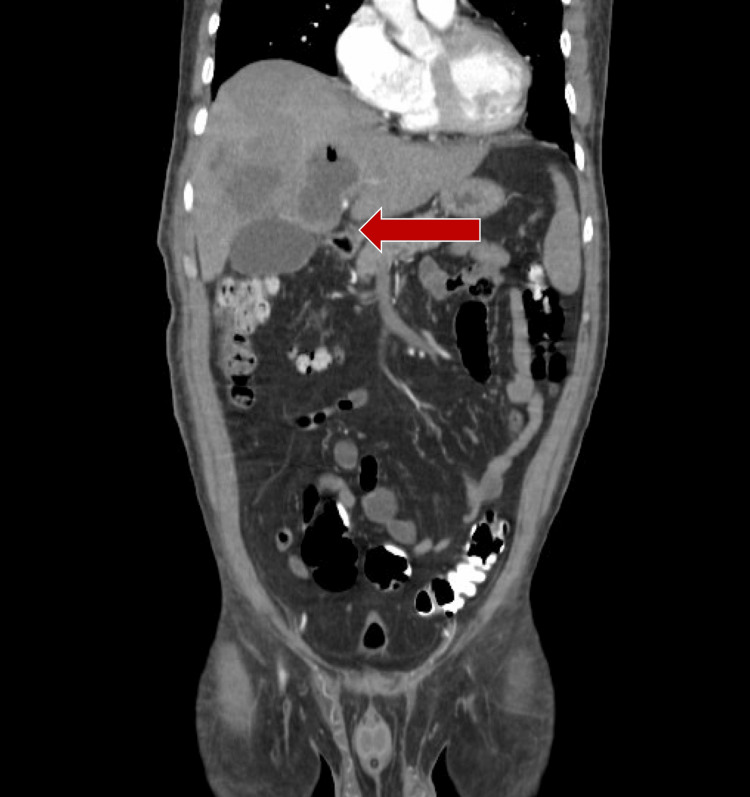 Figure 1
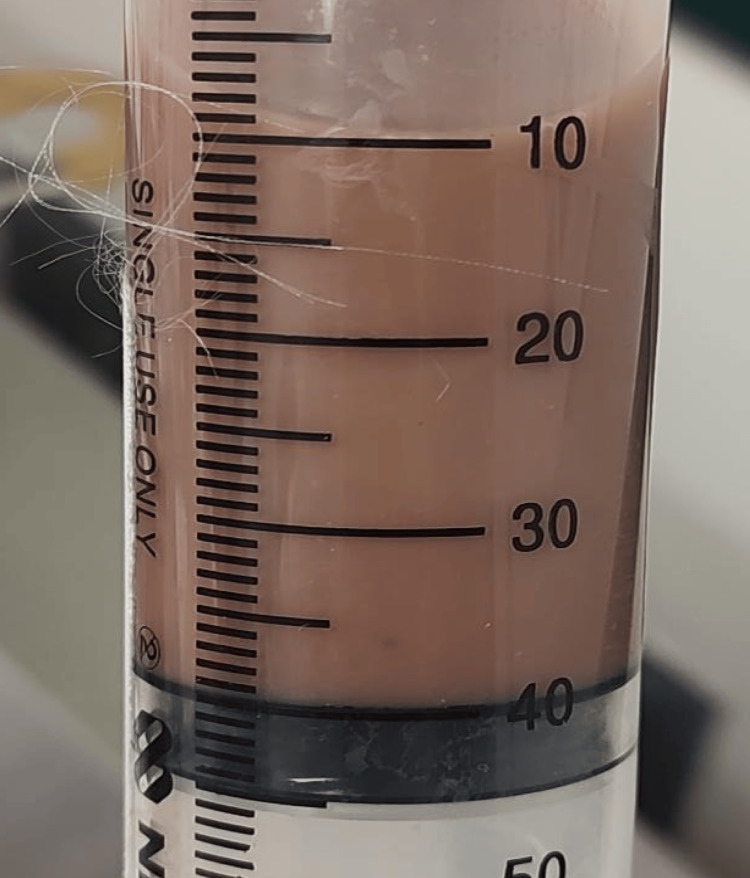 Figure 2
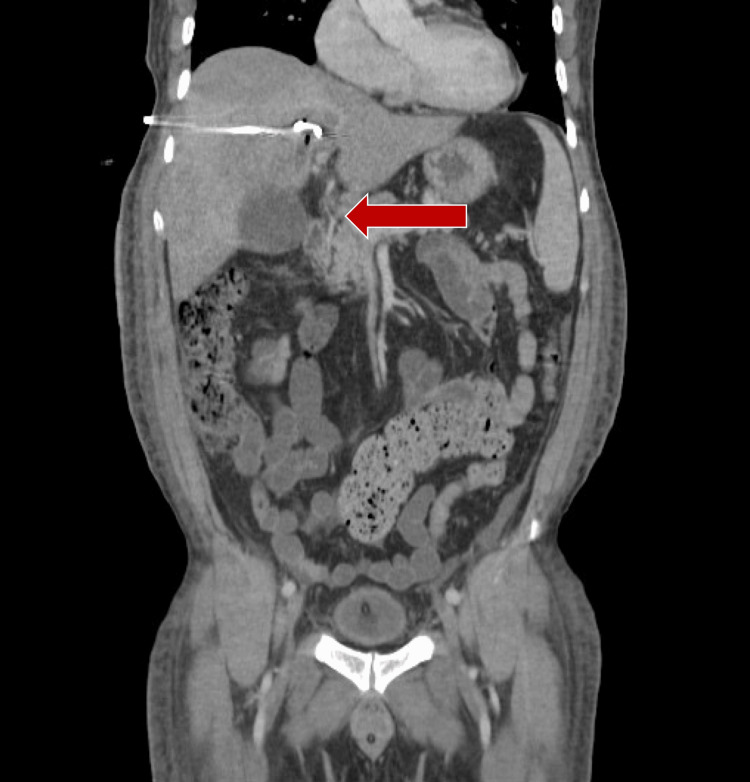 Figure 3
Peer Reviews
No public reviews on file for this paper yet. If you reviewed it on a platform where reviews are public (OpenReview, ICLR, NeurIPS, ICML), you can paste yours below so the community can read it here.
Videos
No videos yet. Explain this paper in a talk, walkthrough, or lecture? Add one.
Taxonomy
TopicsAmoebic Infections and Treatments · Cerebrospinal fluid and hydrocephalus · Gallbladder and Bile Duct Disorders