Liangxue Qushi Zhiyang Decoction Inhibits Atopic Dermatitis in Mice via FcγR-Mediated Phagocytosis
Lili Zhang, Linxian Li, Zhanxue Sun

TL;DR
This study shows that Liangxue Qushi Zhiyang Decoction reduces atopic dermatitis in mice by inhibiting a key immune pathway involving phagocytosis.
Contribution
The study identifies the FcγR-mediated phagocytosis pathway as a novel mechanism for the therapeutic effects of LQZ in atopic dermatitis.
Findings
LQZ reduced skin damage and inflammation in AD mice and lowered IgE, IL-4, and IL-1β levels.
Proteomic analysis revealed 248 differentially expressed proteins, with FcγR-mediated phagocytosis being a key pathway.
LQZ treatment significantly reduced key proteins in the FcγR pathway, including Fcgr3, Lyn, Syk, and others.
Abstract
Background: Liangxue Qushi Zhiyang Decoction (LQZ) is a traditional formula known for its efficacy in treating Atopic Dermatitis (AD). However, the specific mechanisms through which LQZ alleviates AD symptoms remain largely unknown. The objective of this study is to investigate the protective effects of LQZ on AD and to uncover its potential mechanisms of action. Methods: An AD model was established in mice using 2,4-dinitrochlorobenzene (DNCB). Mice were then orally administered LQZ or prednisolone (PDN). Throughout the treatment period, dermatitis scores and scratching frequencies of the mice were regularly monitored. Histopathological analyses were conducted using hematoxylin and eosin (H&E) staining and toluidine blue (TB) staining. Serum levels of inflammatory cytokines were measured using enzyme-linked immunosorbent assay (ELISA). Further, tandem mass tag (TMT) labeling…
Genes, proteins, chemicals, diseases, species, mutations and cell lines named across the full text — each resolved to its canonical identifier and authoritative record.
Click any figure to enlarge with its caption.
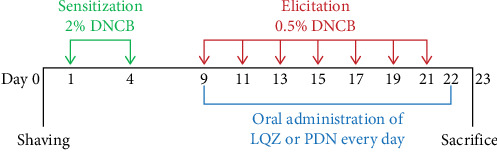 Figure 1
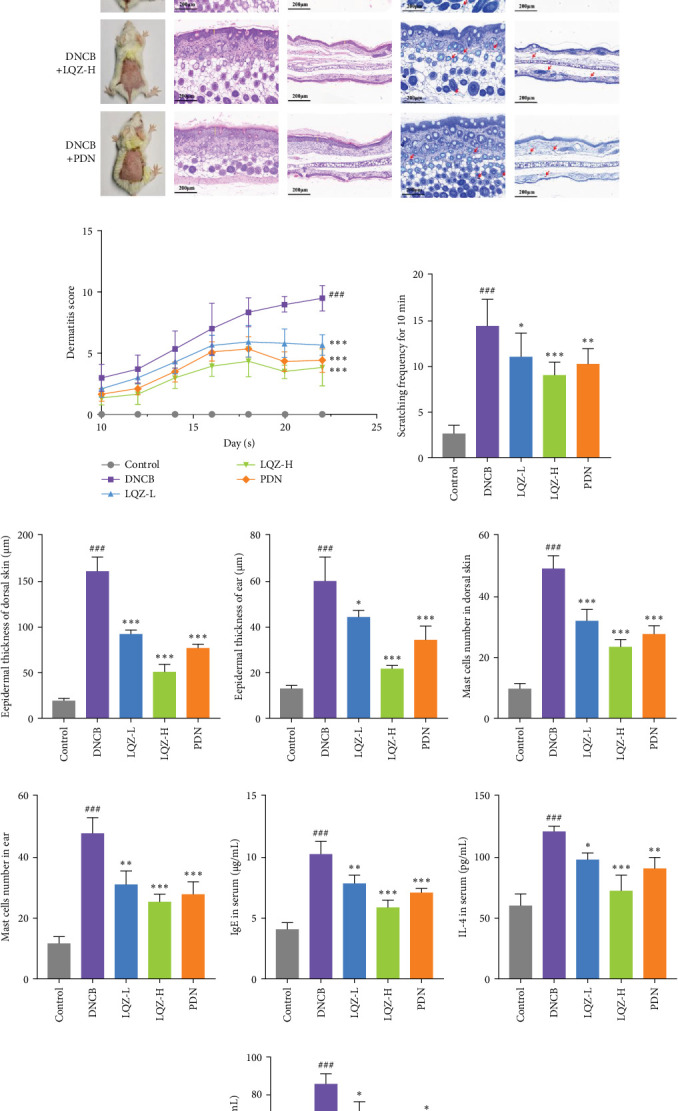 Figure 2
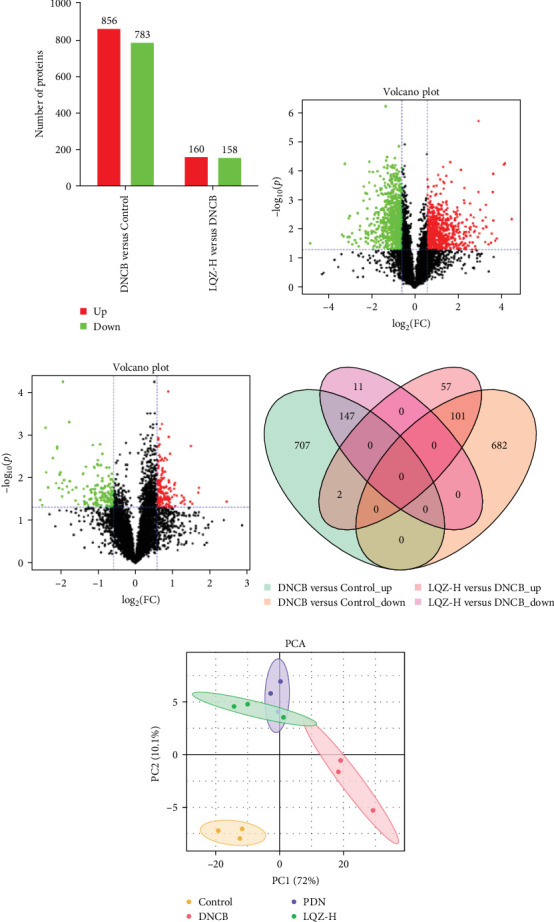 Figure 3
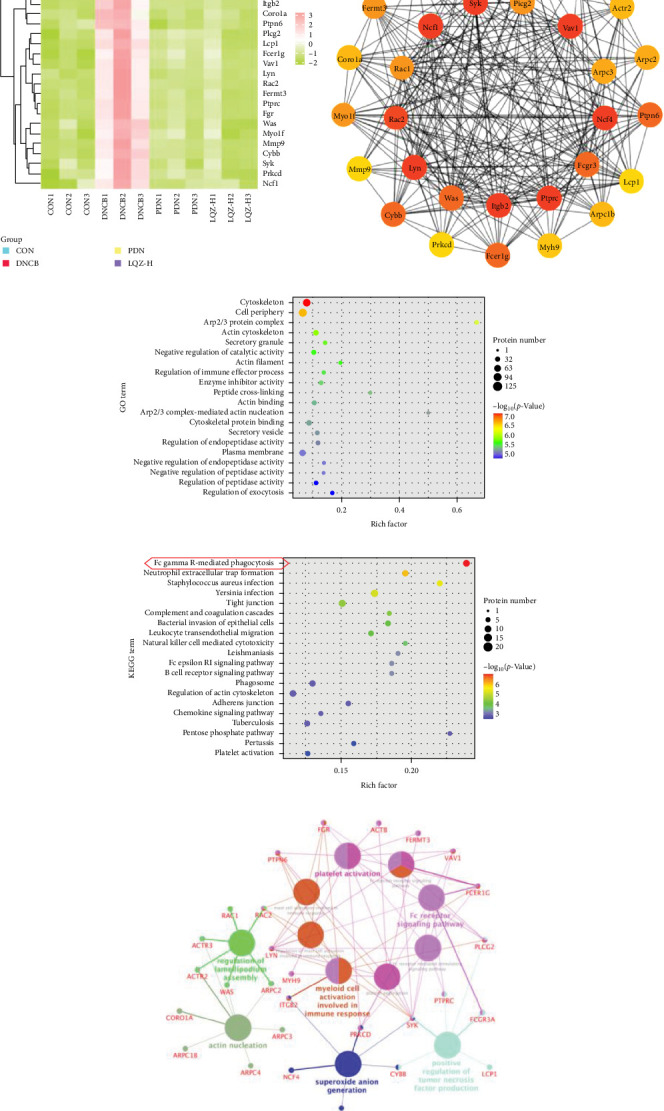 Figure 4
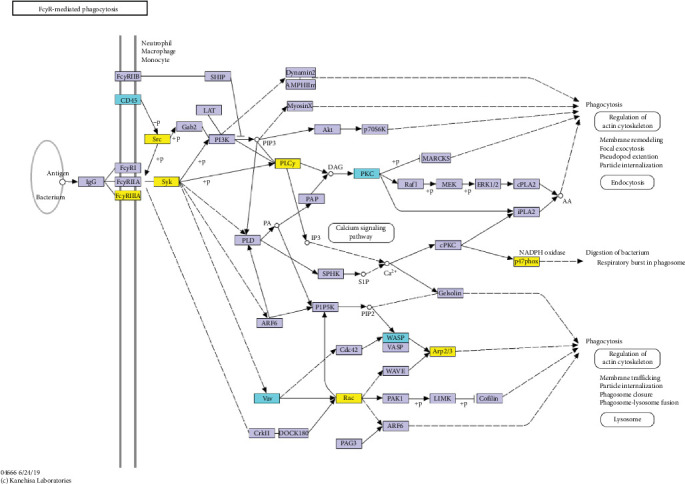 Figure 5
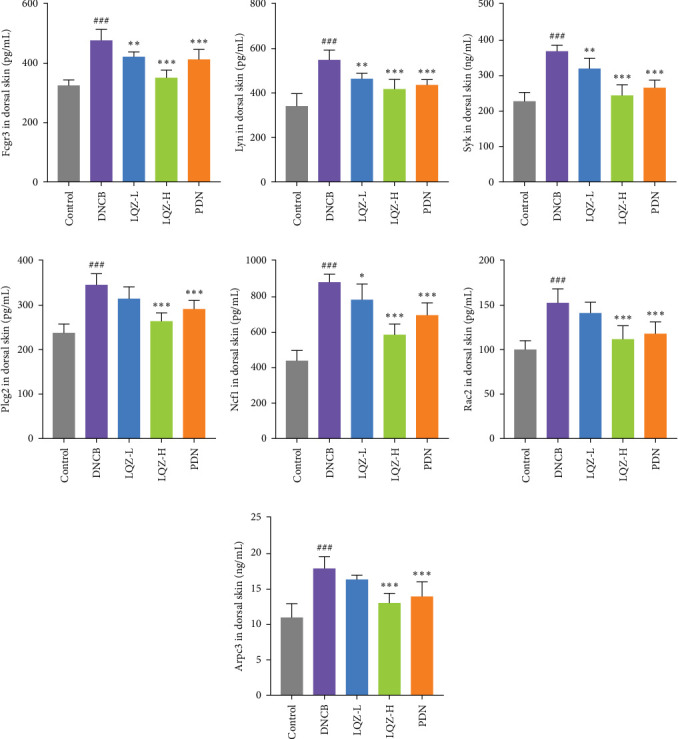 Figure 6
Peer Reviews
No public reviews on file for this paper yet. If you reviewed it on a platform where reviews are public (OpenReview, ICLR, NeurIPS, ICML), you can paste yours below so the community can read it here.
Videos
No videos yet. Explain this paper in a talk, walkthrough, or lecture? Add one.
Taxonomy
TopicsDermatology and Skin Diseases · Allergic Rhinitis and Sensitization · Food Allergy and Anaphylaxis Research