Successful Pregnancy Outcome of a Suspected Molar Pregnancy After a Trial of In Vitro Fertilization/Intracytoplasmic Sperm Injection (IVF/ICSI): A Case Report and Literature Review
Ghufran S Alsaffar, Zainab H Madan, Mahmoud A Alsalama, Mohamed Taman

TL;DR
A rare case of a successful pregnancy with a suspected molar pregnancy and a healthy fetus after IVF/ICSI is reported, showing that close monitoring can lead to a positive outcome.
Contribution
This case report adds to the limited literature on successful outcomes in twin pregnancies involving a hydatidiform mole after ICSI.
Findings
A 36-year-old woman had a successful pregnancy with a healthy baby despite a suspected molar pregnancy after ICSI.
Close monitoring and management led to a normal delivery at 37 weeks with no maternal or fetal complications.
The case highlights the possibility of successful outcomes in rare CHMCF pregnancies achieved through ART.
Abstract
Twin pregnancy with a complete hydatidiform mole and a co-existing fetus (CHMCF) is a rare situation and may occur after using assisted reproductive technologies (ARTs). These pregnancies are associated with severe maternal and fetal complications, and their management is challenging. Ultrasound (US) and magnetic resonance imaging (MRI) are commonly used tools for the diagnosis of suspected molar pregnancy. However, they are not 100% sensitive or specific, and pregnancy could end with a healthy baby. Histopathological examination is considered the gold standard for confirming the diagnosis of hydatidiform mole. Here, we describe a case with CHMCF after an intracytoplasmic sperm injection (ICSI) trial. A 36-year-old primigravida underwent two embryo transfers after an ICSI trial after a period of 14 years of primary subfertility. She was suspected of having one healthy intrauterine…
Genes, proteins, chemicals, diseases, species, mutations and cell lines named across the full text — each resolved to its canonical identifier and authoritative record.
Click any figure to enlarge with its caption.
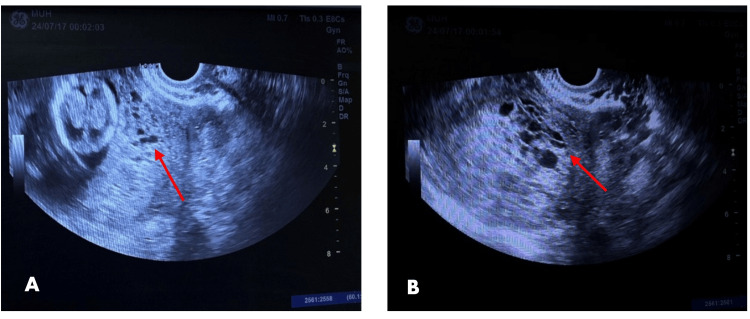 Figure 1
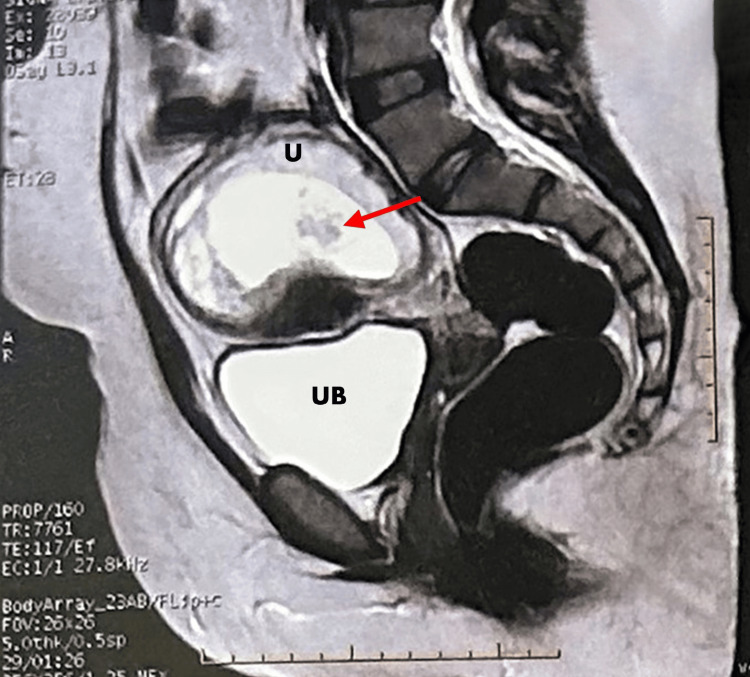 Figure 2
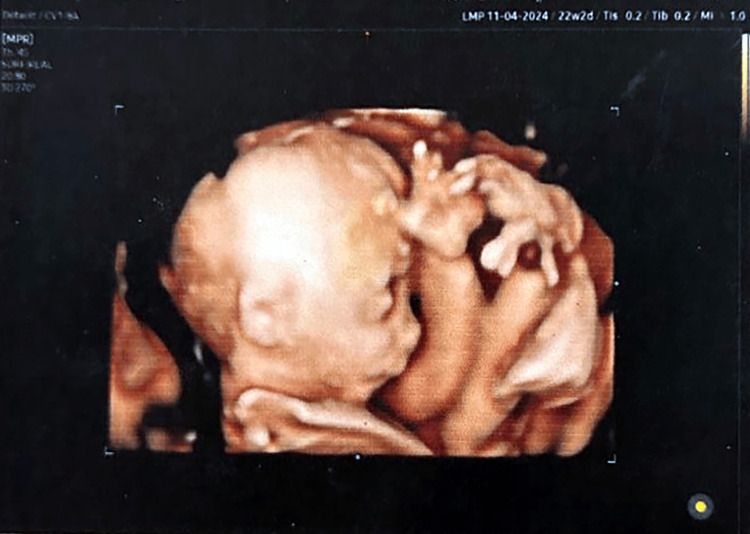 Figure 3
Peer Reviews
No public reviews on file for this paper yet. If you reviewed it on a platform where reviews are public (OpenReview, ICLR, NeurIPS, ICML), you can paste yours below so the community can read it here.
Videos
No videos yet. Explain this paper in a talk, walkthrough, or lecture? Add one.
Taxonomy
TopicsGestational Trophoblastic Disease Studies · Prenatal Screening and Diagnostics · Organ and Tissue Transplantation Research