On the utility of immobilized phenylarsine oxide in the study of redox sensitive cardiac proteins
Asvi Arora Francois, Xiaoke Yin, Shinichi Oka, Junichi Sadoshima, Manuel Mayr, Philip Eaton

TL;DR
The study shows how a tool called PAO-Sepharose can detect changes in protein oxidation in heart tissue under stress conditions.
Contribution
The novel use of PAO-Sepharose to identify redox-sensitive cardiac proteins in vivo and ex vivo models of oxidative stress.
Findings
PAO-Sepharose effectively identifies proteins with oxidized thiols in cardiac samples.
Two proteins, APIP and GGCT, showed reduced binding in stressed mice, indicating oxidation.
The method is efficient for tracking redox changes in health and disease contexts.
Abstract
Reactive protein cysteine thiols are critical to sensing and transducing oxidant signals, often by induction of disulfide bonds that alter their activity or interactions. Identifying such redox active proteins nowadays is mostly achieved using thiol redox proteomics with such datasets increasingly available. Subsequently, we are challenged with determining how changes in the redox state of a protein of interest alters its activity or interactions and how this affects physiology or disease progression including in vivo scenarios. Such studies necessitate the measurement of how the protein redox state changes with health or disease-related interventions, with it not always being practicable to resort back to resource-intensive proteomics to achieve this. In some proteins, oxidation to a disulfide state causes a non-reducing gel-shift, but this is mostly not the case and so other efficient…
Genes, proteins, chemicals, diseases, species, mutations and cell lines named across the full text — each resolved to its canonical identifier and authoritative record.
Click any figure to enlarge with its caption.
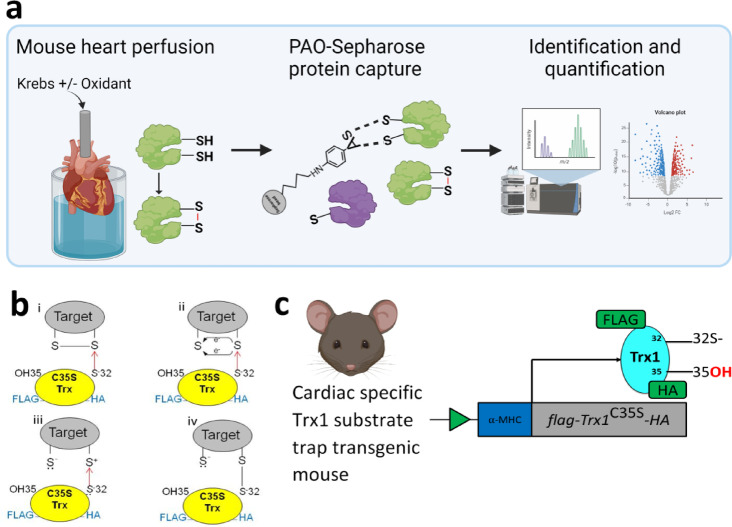 Figure 1
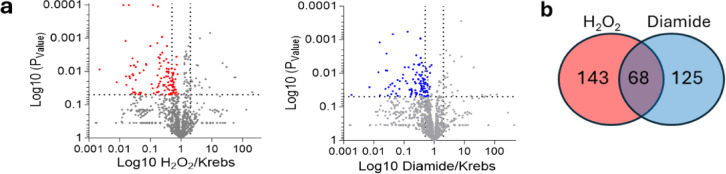 Figure 2
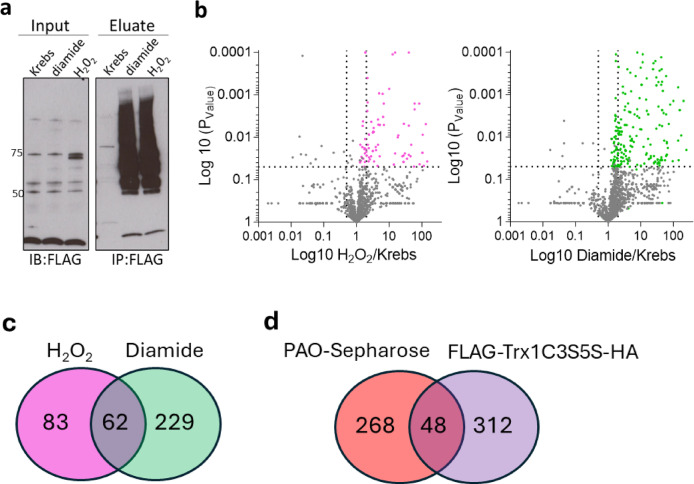 Figure 3
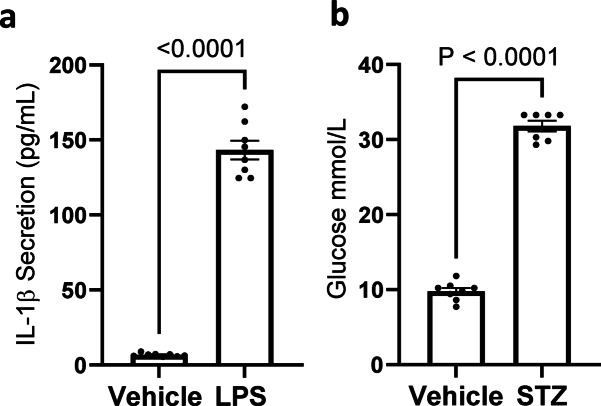 Figure 4
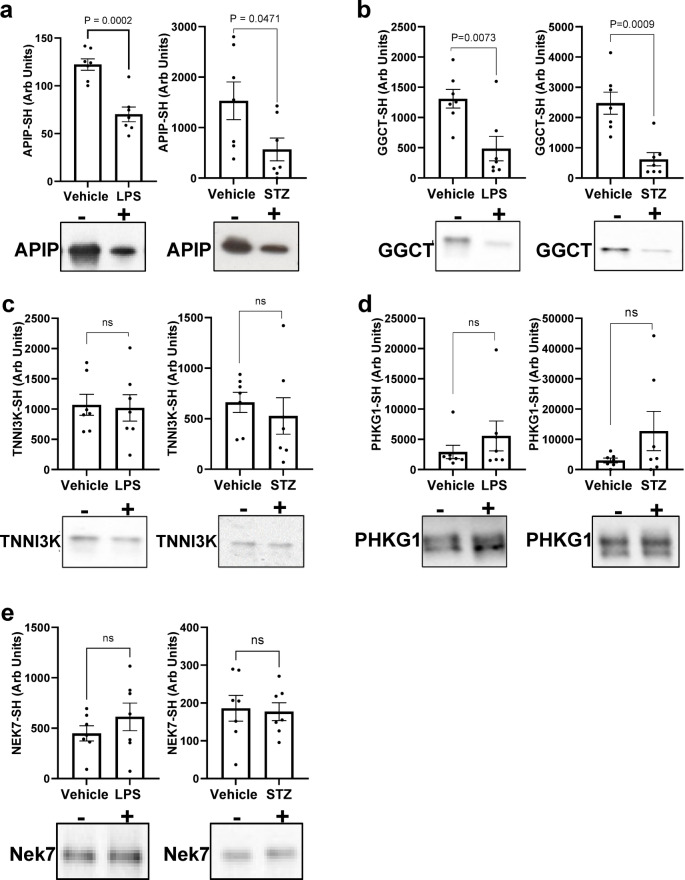 Figure 5
 Figure 6
Peer Reviews
No public reviews on file for this paper yet. If you reviewed it on a platform where reviews are public (OpenReview, ICLR, NeurIPS, ICML), you can paste yours below so the community can read it here.
Videos
No videos yet. Explain this paper in a talk, walkthrough, or lecture? Add one.
Taxonomy
TopicsRedox biology and oxidative stress · Advanced Glycation End Products research · Sulfur Compounds in Biology