High Tau expression correlates with reduced invasion and prolonged survival in Ewing sarcoma
Florencia Cidre-Aranaz, Claudia Magrin, Malenka Zimmermann, Jing Li, Annalisa Baffa, Matteo Ciccaldo, Wolfgang Hartmann, Uta Dirksen, Martina Sola, Paolo Paganetti, Thomas G. P. Grünewald, Stéphanie Papin

TL;DR
High levels of the Tau protein are linked to slower cancer spread and better survival in Ewing sarcoma patients.
Contribution
This study identifies Tau as a prognostic marker and potential therapeutic target in Ewing sarcoma.
Findings
High Tau expression correlates with reduced cancer cell invasion and migration in Ewing sarcoma.
Ewing sarcoma patients with high Tau expression have improved overall survival.
Tau modulates focal adhesion to extracellular matrix proteins, influencing cancer cell behavior.
Abstract
The microtubule-associated protein Tau (encoded by the MAPT gene) is linked to a family of neurodegenerative disorders defined as tauopathies, which are characterized by its brain accumulation in neurofibrillary tangles and neuropil threads. Newly described Tau functions comprise DNA protection, chromatin remodeling, p53 regulation and cell fate modulation, suggesting a role of Tau in oncogenesis. Bioinformatic-supported characterization of Tau in cancer reveals robust expression in bone cancer cells, in particular Ewing sarcoma (EwS) cell lines. EwS is an aggressive cancer caused by a fusion of members of the FET and ETS gene families, primarily EWSR1::FLI1. Here we found that MAPT is a EWSR1::ETS target gene and that higher Tau expression in EwS cells inhibited their migratory and invasive behavior, consistent with a more immobile and proliferative phenotype observed in EwS. Indeed,…
Genes, proteins, chemicals, diseases, species, mutations and cell lines named across the full text — each resolved to its canonical identifier and authoritative record.
Click any figure to enlarge with its caption.
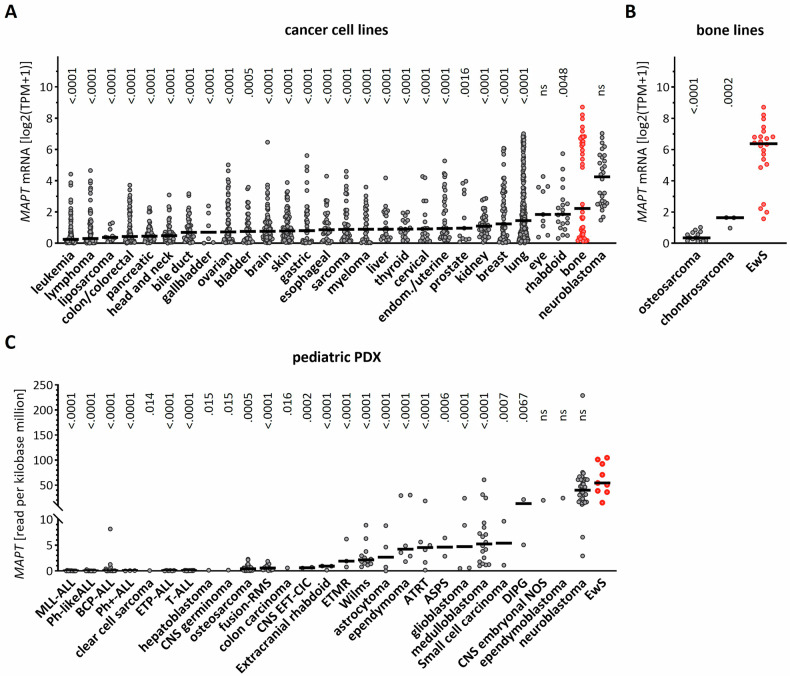 Figure 1
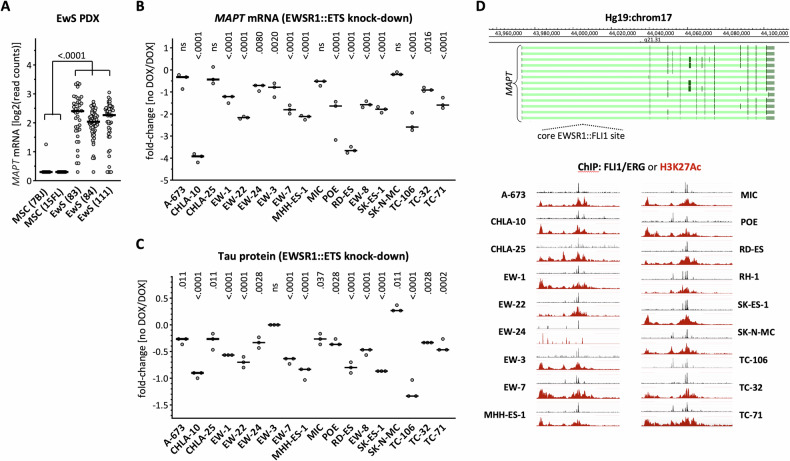 Figure 2
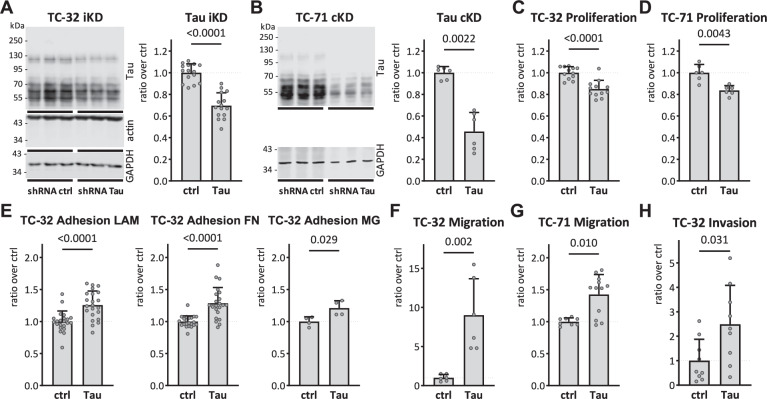 Figure 3
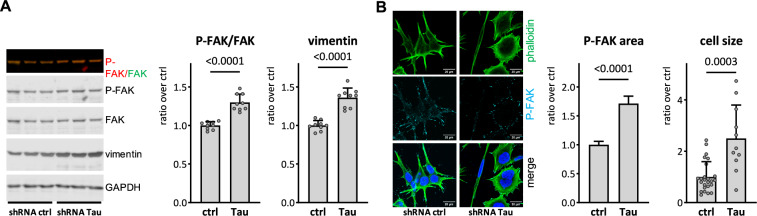 Figure 4
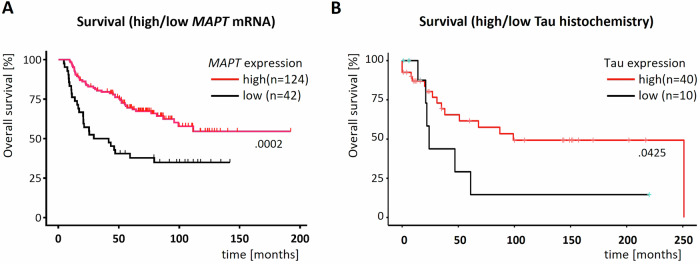 Figure 5
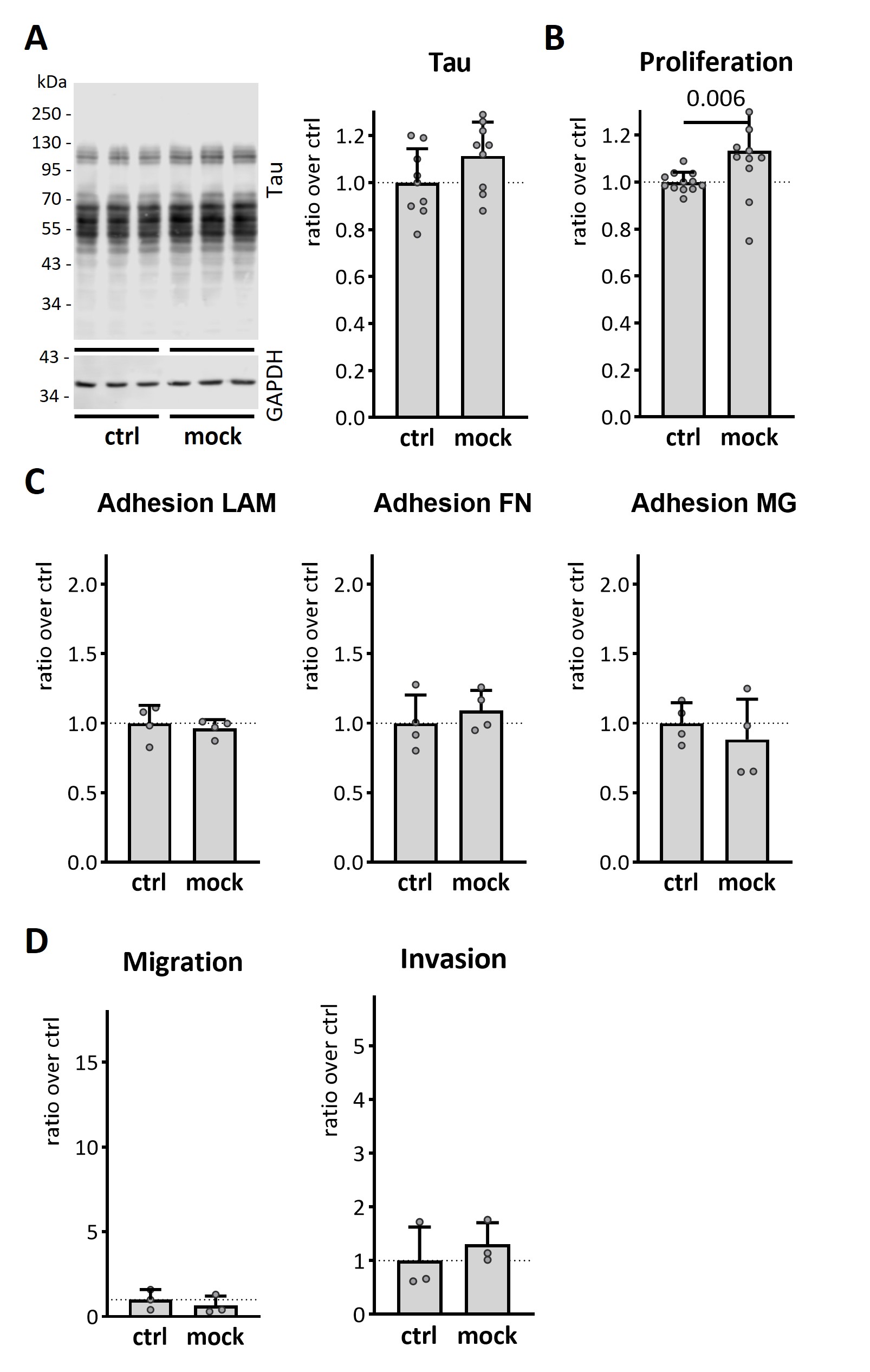 Figure 6
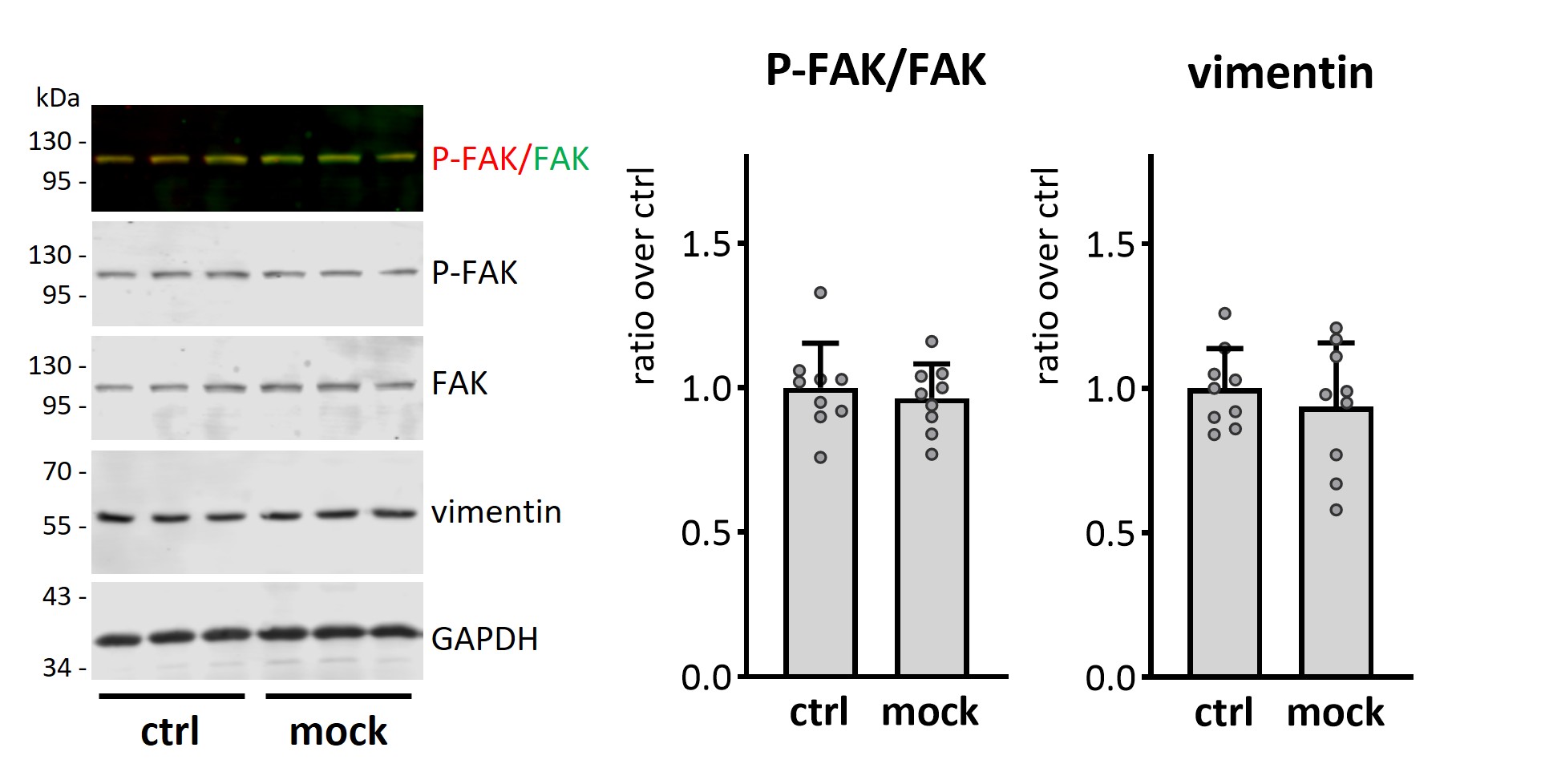 Figure 7
Peer Reviews
No public reviews on file for this paper yet. If you reviewed it on a platform where reviews are public (OpenReview, ICLR, NeurIPS, ICML), you can paste yours below so the community can read it here.
Videos
No videos yet. Explain this paper in a talk, walkthrough, or lecture? Add one.
Taxonomy
TopicsUbiquitin and proteasome pathways · RNA Research and Splicing · Cell Adhesion Molecules Research