Interactions between contaminants and the trophic ecology of two seabirds in a coastal lagoon of the Gulf of California
José Alfredo Castillo-Guerrero, Erick González-Medina, Alberto Piña-Ortiz, Miguel Betancourt-Lozano, Jaqueline García-Hernández, Salvador Hernández-Vázquez, Guillermo Fernández

TL;DR
This study examines how pollutants like mercury and pesticides interact with the diet and feeding habits of two seabird species in a Mexican coastal lagoon.
Contribution
The study provides new insights into contaminant concentrations and their relationship with trophic ecology in tropical seabirds.
Findings
Laughing Gulls had higher levels of certain pesticides, while Magnificent Frigatebirds had elevated mercury and other pesticide isomers.
Pollutant concentrations in Laughing Gulls were linked to diet and habitat use, showing biomagnification.
Sex-related differences in isotopic signatures in Magnificent Frigatebirds did not correlate with pollutant accumulation patterns.
Abstract
Monitoring the dynamics of contaminants in ecosystems helps understand their potential effects. Seabirds have been used as biomonitors of marine ecosystems for this purpose. However, exposure and vulnerability to pollutants are understudied in tropical species, and the relationships between various pollutants and the trophic ecology of seabirds are poorly understood. In this study, we quantified mercury (Hg), lead (Pb), cadmium (Cd), and organochlorine pesticide (OC) concentrations in the blood of Laughing Gulls and Magnificent Frigatebirds breeding in Bahía Santa María, México. Using carbon and nitrogen isotopic ratios (δ13C and δ15N), we examined the interaction between contaminants and trophic ecology. Laughing Gulls exhibited higher concentrations of dichlorodiphenyltrichloroethane and its metabolites (ΣDDTs), endrins (ΣDrins), and chlordanes, while Magnificent Frigatebirds had…
Genes, proteins, chemicals, diseases, species, mutations and cell lines named across the full text — each resolved to its canonical identifier and authoritative record.
Click any figure to enlarge with its caption.
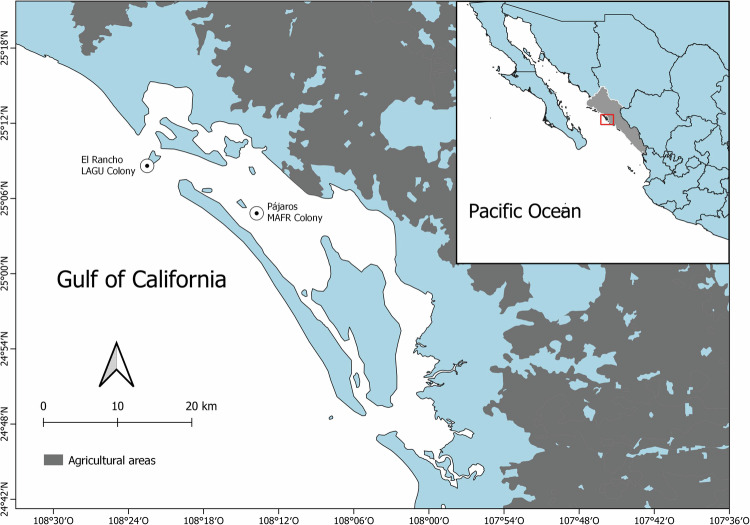 Figure 1
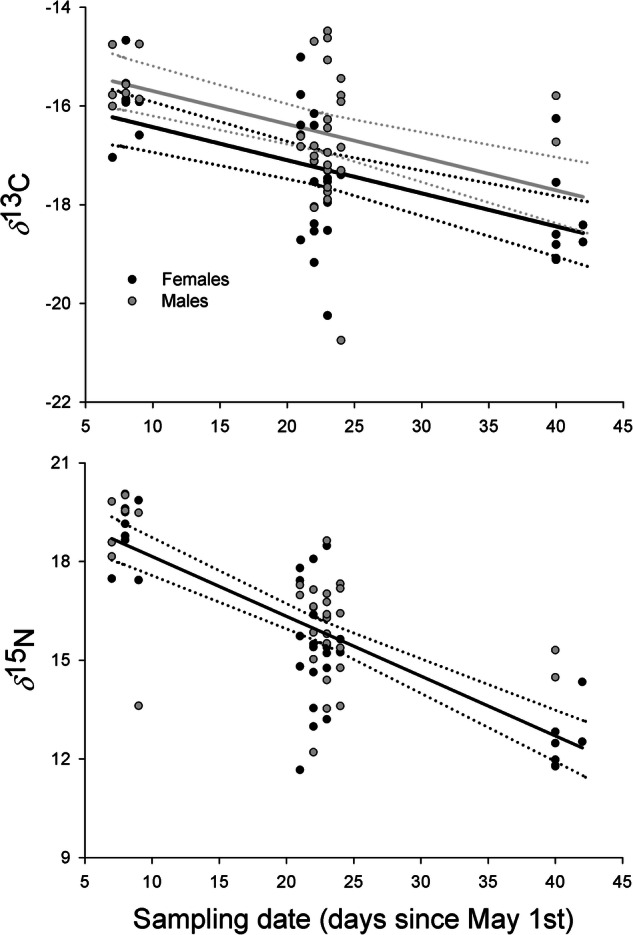 Figure 2
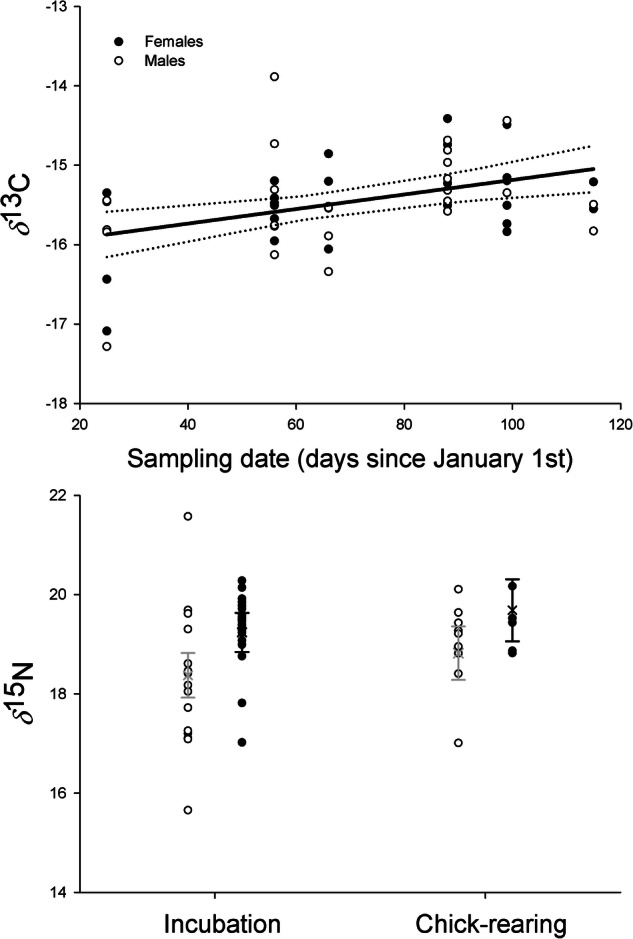 Figure 3
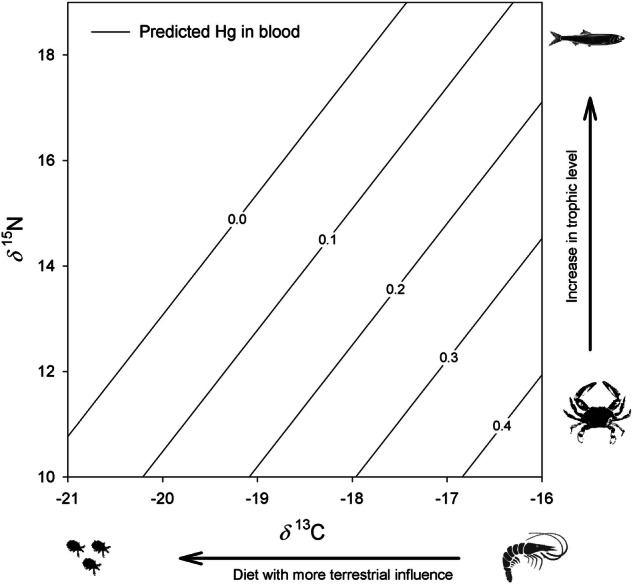 Figure 4
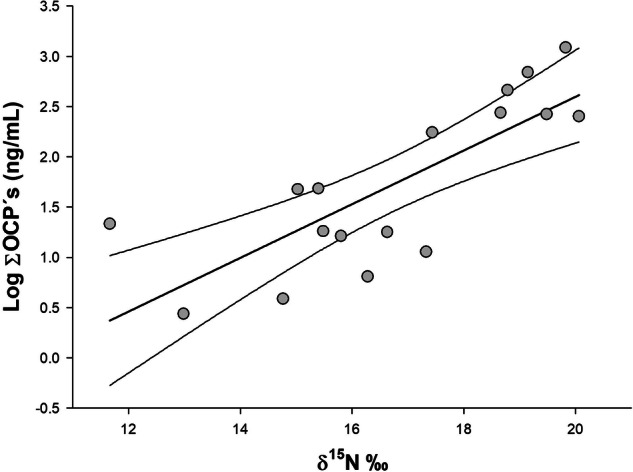 Figure 5
Peer Reviews
No public reviews on file for this paper yet. If you reviewed it on a platform where reviews are public (OpenReview, ICLR, NeurIPS, ICML), you can paste yours below so the community can read it here.
Videos
No videos yet. Explain this paper in a talk, walkthrough, or lecture? Add one.
Taxonomy
TopicsMercury impact and mitigation studies · Isotope Analysis in Ecology · Marine animal studies overview