Clinical Characteristics, Histopathological Profile, and Postoperative Outcomes of Tumoral Radiculomedullary Compressions
Israël Maoneo, Larrey Kasereka Kamabu, Chérubin Tshiunza, Ntalaja Jeff, Kambere Renault, Bienvenu Lebwaze, Raphaël Chirimwami, Antoine Beltchika, Glennie Ntsambi

TL;DR
This study examines spinal tumors causing nerve compression, finding that benign tumors are more common and that metastases from prostate cancer lead to worse outcomes.
Contribution
The study provides a detailed analysis of clinical and histopathological features of tumor-related spinal compressions in a specific clinical setting.
Findings
Benign tumors, especially meningiomas, were more common than malignant tumors in causing radiculomedullary compression.
Metastatic tumors, primarily from prostate cancer, were associated with significantly worse neurological outcomes.
Male patients over 50 years old were more likely to have malignant spinal tumors.
Abstract
Background and objectives Spinal tumors can cause slow radiculomedullary compression and often lead to severe neurological dysfunction for the patient. The objective of this study was to describe the clinical characteristics, histopathological profile, and postoperative outcomes of tumor-related radiculomedullary compressions. Methods This was a prospective cohort study conducted from January 2020 to June 2024 concerning cases of spinal tumors responsible for a radiculomedullary compressive syndrome at the Department of Neurosurgery, University Teaching Hospital of Kinshasa. The variables of interest included sex, age, cause, level of the lesion, the American Spinal Injury Association (ASIA) score, the Spinal Cord Independence Measure (SCIM) score, treatment, postoperative outcome, and complications. Results Thirty-four patients were operated on for tumor-related radiculomedullary…
Genes, proteins, chemicals, diseases, species, mutations and cell lines named across the full text — each resolved to its canonical identifier and authoritative record.
Click any figure to enlarge with its caption.
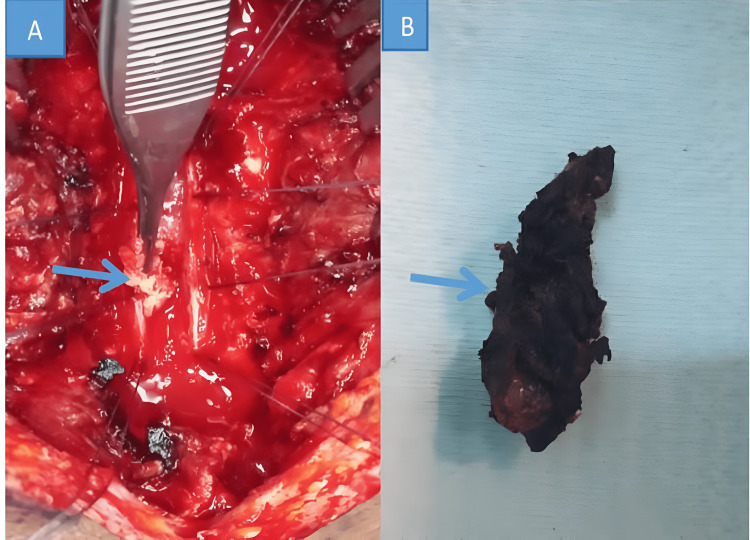 Figure 1
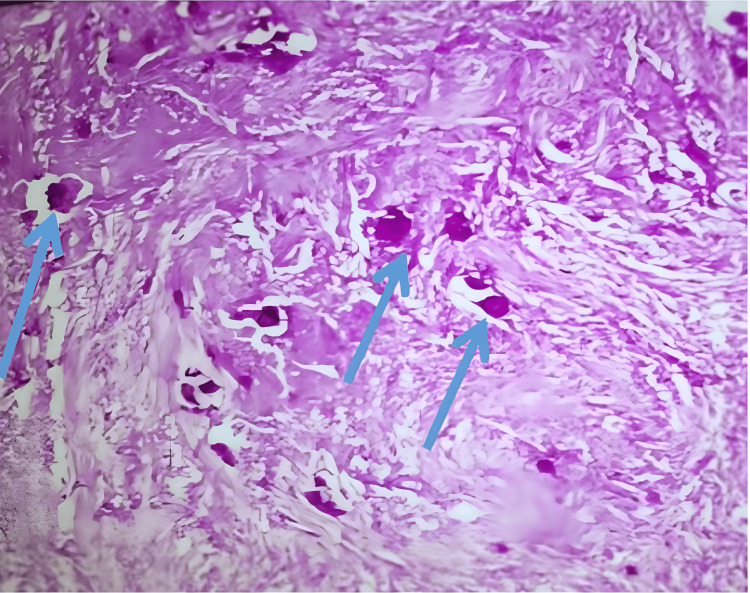 Figure 2
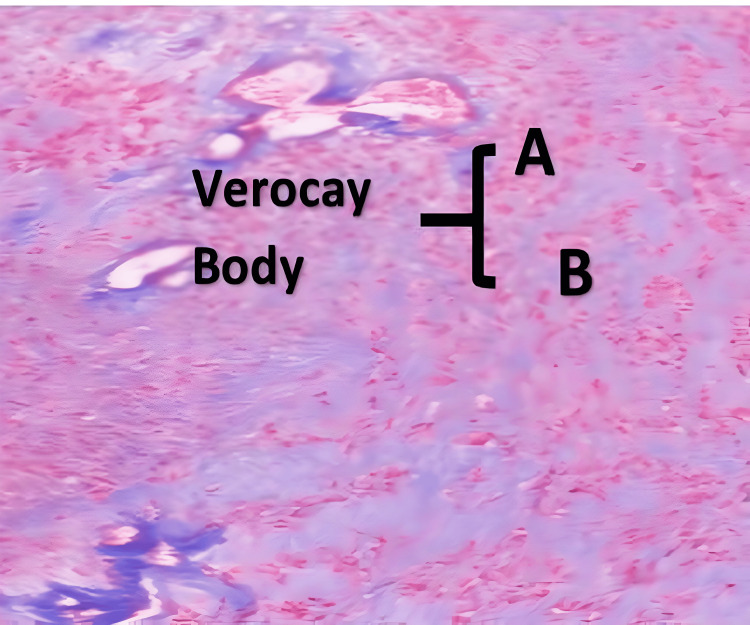 Figure 3
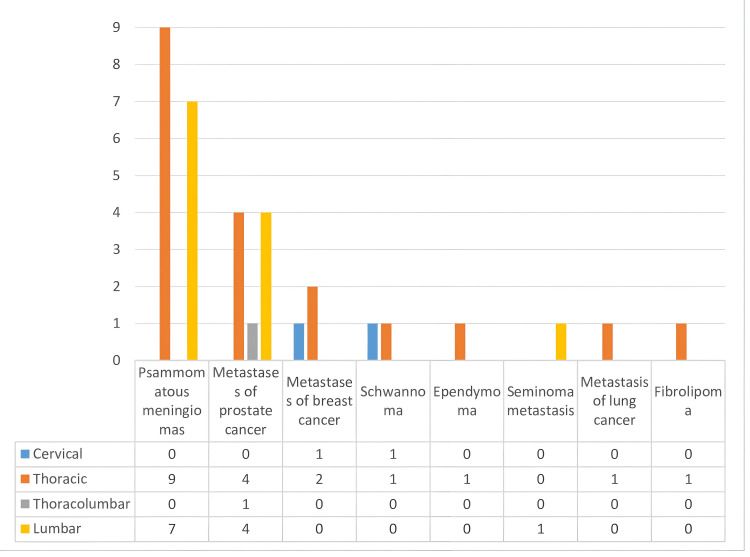 Figure 4
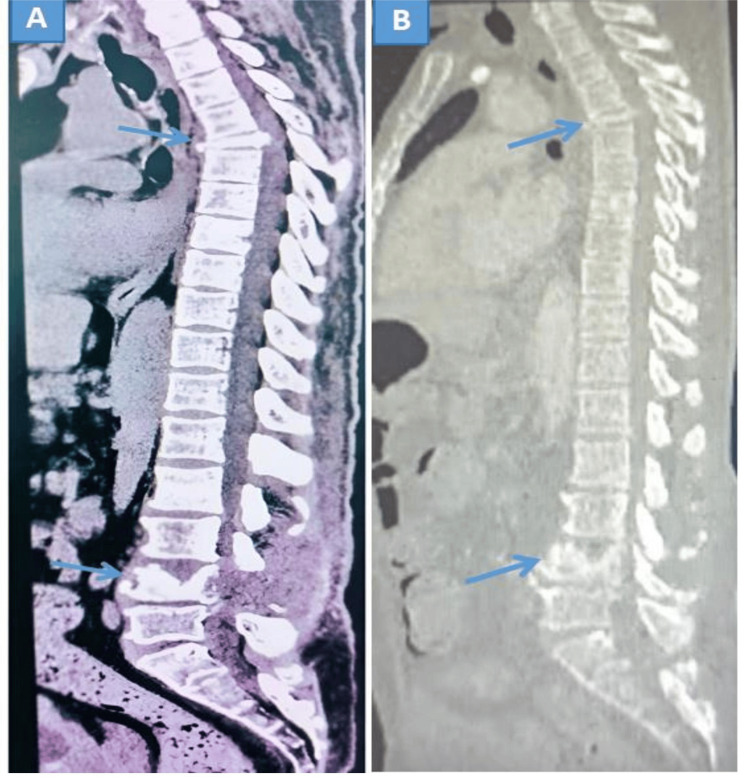 Figure 5
Peer Reviews
No public reviews on file for this paper yet. If you reviewed it on a platform where reviews are public (OpenReview, ICLR, NeurIPS, ICML), you can paste yours below so the community can read it here.
Videos
No videos yet. Explain this paper in a talk, walkthrough, or lecture? Add one.
Taxonomy
TopicsManagement of metastatic bone disease · Orthopaedic implants and arthroplasty · Sarcoma Diagnosis and Treatment