Comprehensive computational analysis of deleterious nsSNPs in PTEN gene for structural and functional insights
Divyanshi Sharma, Harasees Singh, Aryan Arya, Himanshi Choudhary, Pragya Guleria, Sandeep Saini, Chander Jyoti Thakur

TL;DR
This study identifies and analyzes harmful mutations in the PTEN gene, revealing how they affect protein structure and function, which could aid in developing cancer treatments.
Contribution
A novel computational analysis of deleterious nsSNPs in PTEN, combining structural, functional, and network insights.
Findings
15 out of 17 identified nsSNPs in PTEN reduce protein stability, potentially impairing function.
Mutations in PTEN disrupt interactions with key partners like PIK3CA, AKT1, and TP53.
The G129E mutation shows the most significant structural destabilization confirmed by molecular dynamics.
Abstract
Single nucleotide polymorphisms (SNPs) are pivotal in understanding the genetic basis of complex disorders. Among them, nonsynonymous SNPs (nsSNPs) that alter amino acid sequences can significantly impact protein structure and function. This study focuses on analyzing deleterious nsSNPs in the tumor suppressor gene PTEN (Phosphatase and TENsin Homolog), which plays a central role in regulating the PI3K/Akt signaling pathway and tumorigenesis. Out of 43,855 SNPs in PTEN, 17 deleterious nsSNPs were identified using six computational tools. Protein stability analysis revealed that 15 variants reduce stability, potentially leading to functional impairment. Structural evaluations using HOPE and ConSurf classified mutations into buried structural residues disrupting protein integrity and exposed functional residues affecting molecular interactions. STRING database analysis highlighted PTEN as…
Genes, proteins, chemicals, diseases, species, mutations and cell lines named across the full text — each resolved to its canonical identifier and authoritative record.
Click any figure to enlarge with its caption.
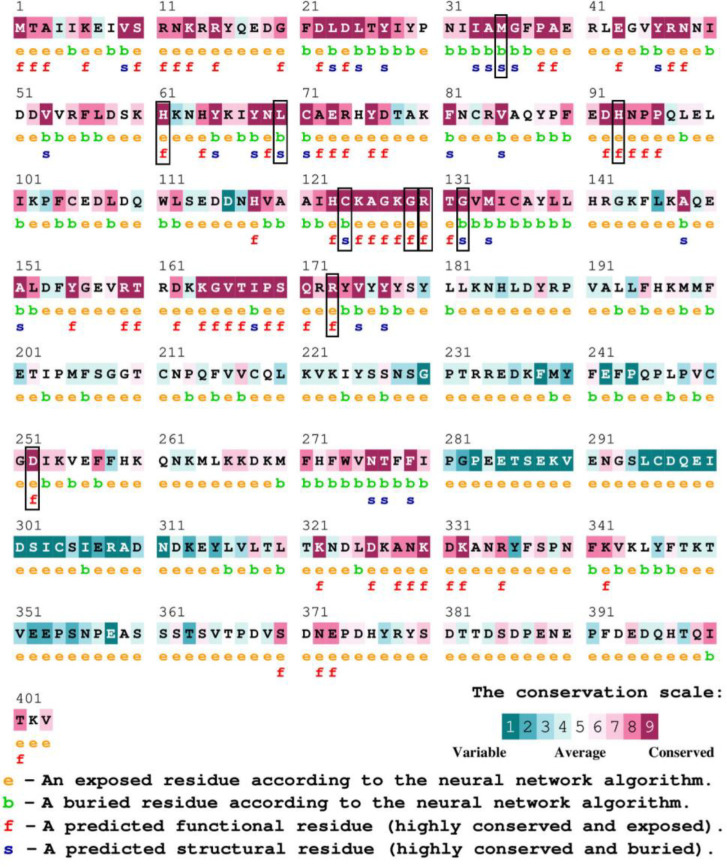 Figure 1
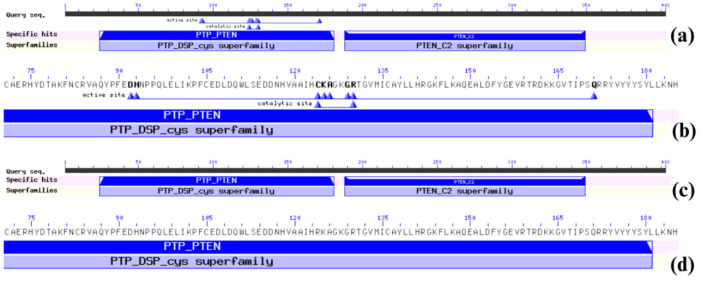 Figure 2
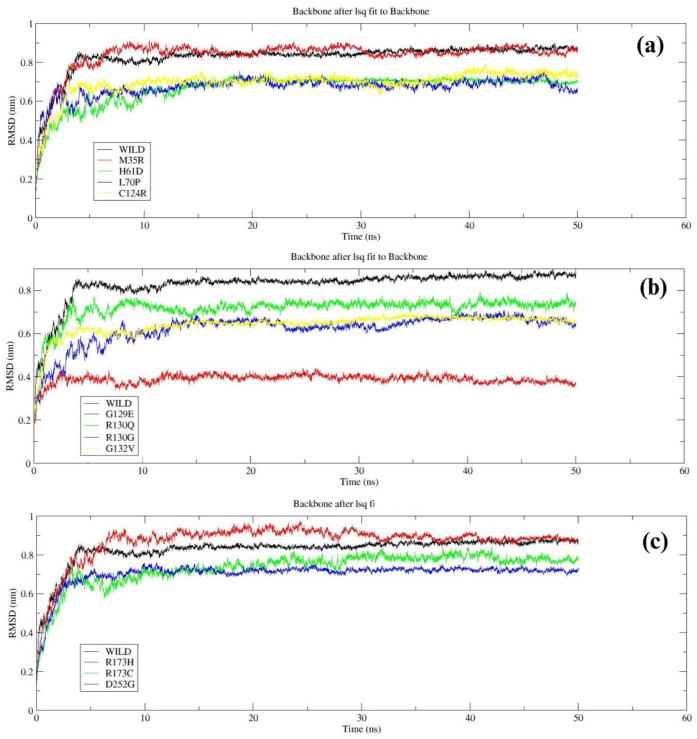 Figure 3
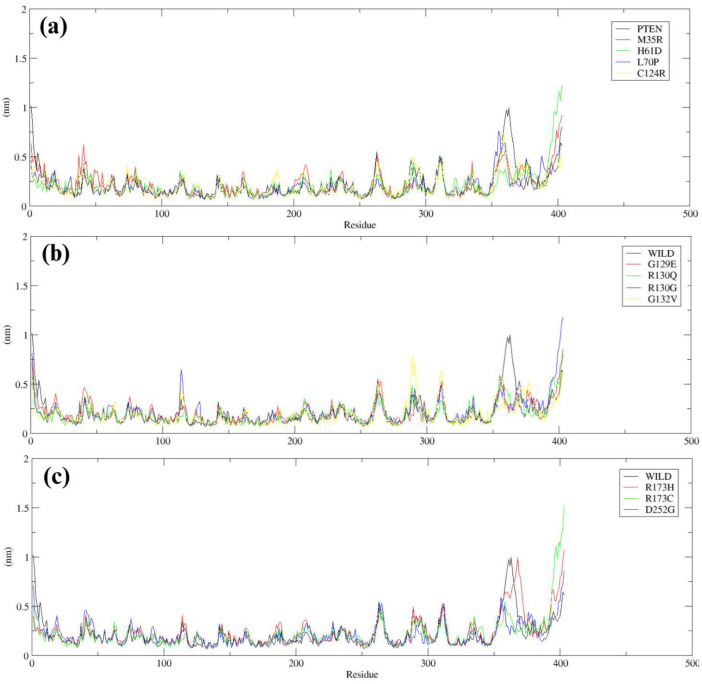 Figure 4
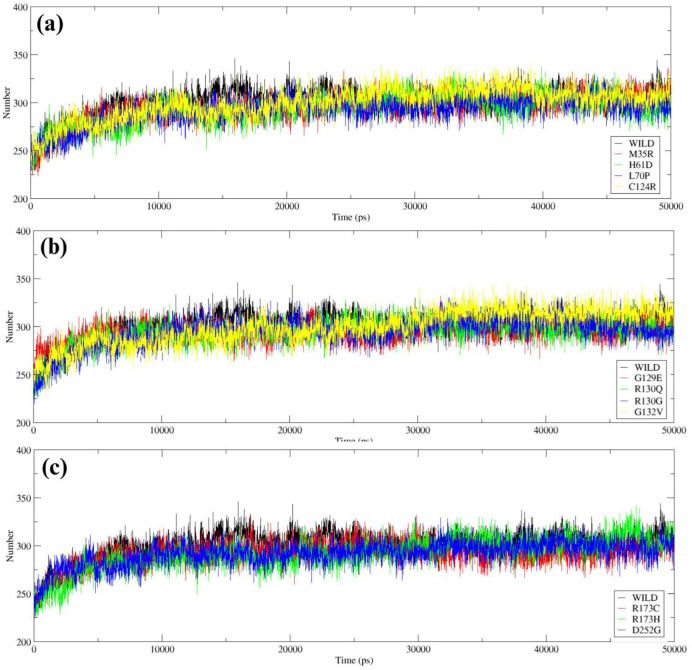 Figure 5
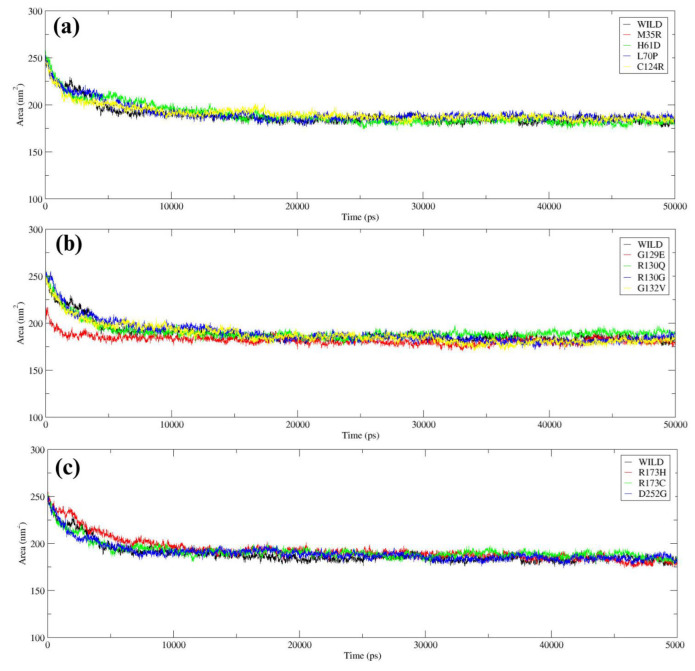 Figure 6
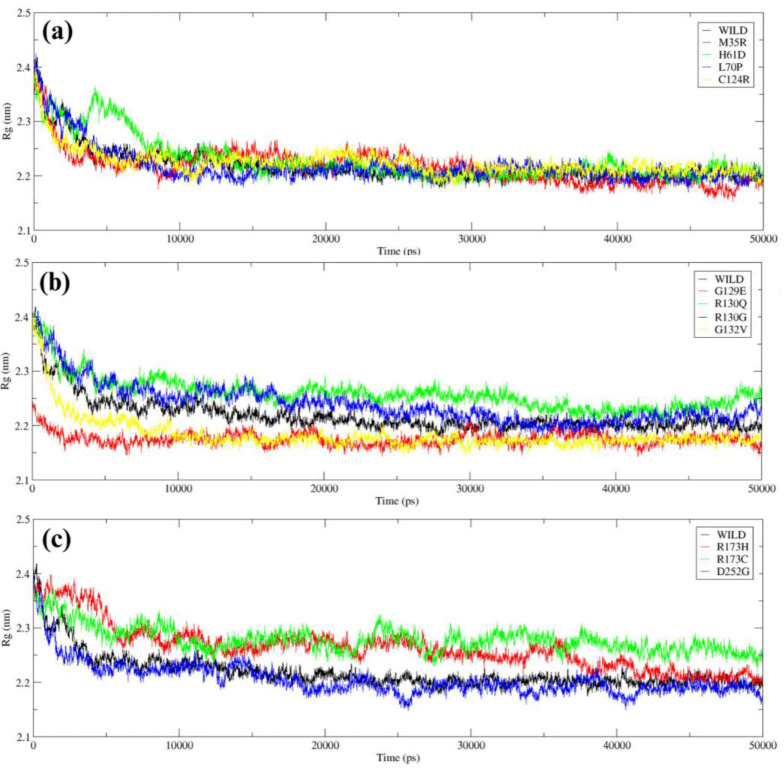 Figure 7
Peer Reviews
No public reviews on file for this paper yet. If you reviewed it on a platform where reviews are public (OpenReview, ICLR, NeurIPS, ICML), you can paste yours below so the community can read it here.
Videos
No videos yet. Explain this paper in a talk, walkthrough, or lecture? Add one.
Taxonomy
TopicsDNA and Biological Computing