Predictors of psychotic experiences among adolescents with obsessive–compulsive symptoms: A data‐driven machine learning approach
Yutaka Sawai, Riki Tanaka, Rin Minami, Daiki Nagaoka, Akito Uno, Ayako Okuma, Syudo Yamasaki, Mitsuhiro Miyashita, Atsushi Nishida, Kiyoto Kasai, Shuntaro Ando

TL;DR
This study uses machine learning to identify predictors of later psychotic experiences in adolescents with obsessive-compulsive symptoms.
Contribution
The study introduces novel predictors of psychotic experiences in adolescents with OC symptoms using a data-driven approach.
Findings
A machine learning model achieved good performance (AUC = 0.80) in predicting later psychotic experiences.
Novel predictors included limited social interaction, desire to be like their father, and nonworking primary caregivers at age 5.
Not sharing belongings was a strong predictor of not having psychotic experiences.
Abstract
Prediction of future psychosis in individuals with obsessive and compulsive (OC) symptoms is crucial for treatment choice, but only a few predictors have been revealed. Although OC symptoms and psychotic experiences (PEs) are common in adolescence, no studies have revealed the predictors of subsequent PEs in adolescents with OC symptoms. We aimed to explore the predictors for subsequent PEs among adolescents with OC symptoms, using a data‐driven machine‐learning approach on an adolescent cohort. We used data from a cohort study on the general population of adolescents in Tokyo (n = 3171 at age 10). Data were collected at age 10, 12, 14, and 16. We focused on a subgroup of participants who had OC symptoms at age 12. Participants who had PEs at age 10 were excluded. A machine learning method was utilized to explore over 600 potential predictors at baseline, distinguishing between those…
Genes, proteins, chemicals, diseases, species, mutations and cell lines named across the full text — each resolved to its canonical identifier and authoritative record.
Click any figure to enlarge with its caption.
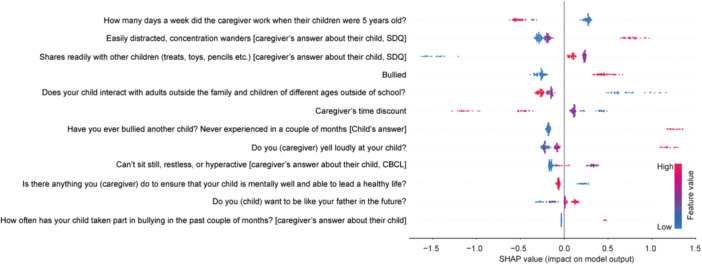 Figure 1
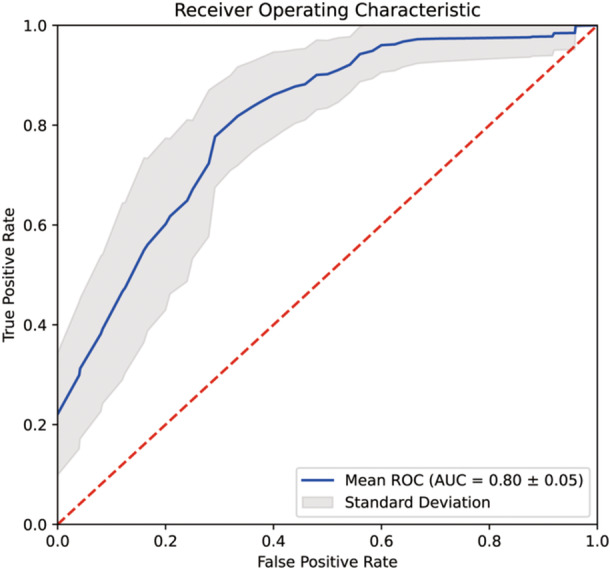 Figure 2
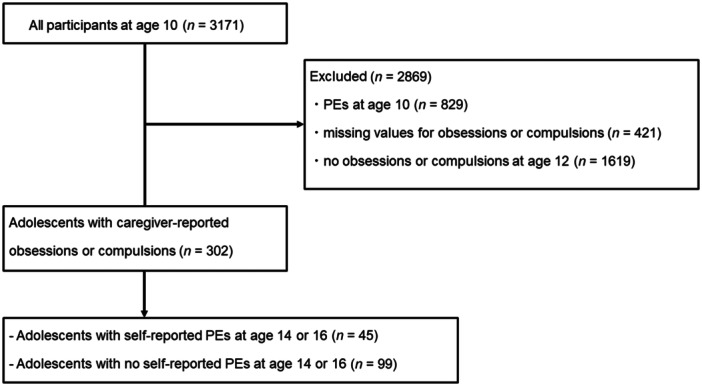 Figure 3
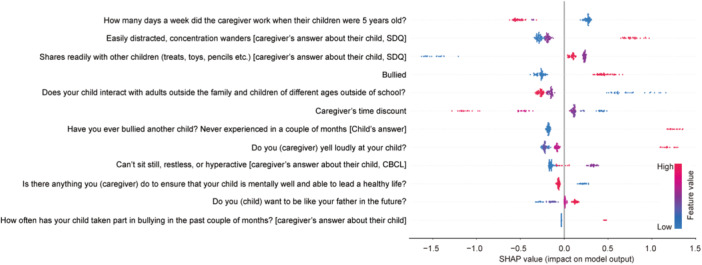 Figure 4
Peer Reviews
No public reviews on file for this paper yet. If you reviewed it on a platform where reviews are public (OpenReview, ICLR, NeurIPS, ICML), you can paste yours below so the community can read it here.
Videos
No videos yet. Explain this paper in a talk, walkthrough, or lecture? Add one.
Taxonomy
TopicsObsessive-Compulsive Spectrum Disorders · Autism Spectrum Disorder Research · Eating Disorders and Behaviors