Effects of actin remodeling inhibitors on cellular energy metabolism of a model marine bivalve, the Pacific oyster
Eugene P. Sokolov, Inna M. Sokolova

TL;DR
This study investigates how actin remodeling affects energy use in oyster cells and finds that it contributes little to overall energy costs, but some inhibitors cause unexpected mitochondrial changes.
Contribution
The study experimentally quantifies actin remodeling energy costs in a marine ectotherm and reveals a novel link between actin disruption and mitochondrial proton leak.
Findings
Actin remodeling contributes less than 5% to cellular energy budget in oyster gill and mantle cells.
Cytochalasin D increases mitochondrial proton leak, suggesting a link between actin disorganization and mitochondrial maintenance costs.
Jasplakinolide and latrunculin B do not affect mitochondrial respiration, indicating different disruption mechanisms.
Abstract
Actin, the most abundant cellular protein, is essential for maintaining structural organization, mechanical stability and cellular motility. The actin cytoskeleton undergoes continuous ATP-dependent reorganization, incurring significant energy costs through treadmilling. However, experimental quantifications of these energy expenditures, especially in ectotherms, remain scarce. In this study, we assessed the energy costs of actin remodeling in the Pacific oyster Crassostrea [also Magallana] gigas, a marine bivalve, by measuring oxygen consumption in the presence of inhibitors of actin treadmilling (latrunculin B, jasplakinolide and cytochalasin D). Our results indicate that under normal physiological conditions, actin remodeling contributes less than 5% to the cellular energy budget in gill and mantle cells of oysters. Unexpectedly, cytochalasin D induced a marked increase in…
Genes, proteins, chemicals, diseases, species, mutations and cell lines named across the full text — each resolved to its canonical identifier and authoritative record.
Click any figure to enlarge with its caption.
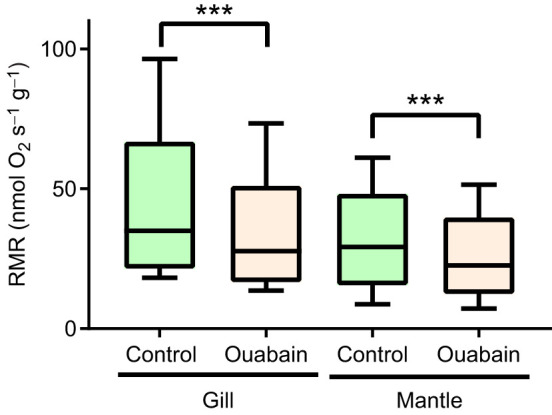 Figure 1
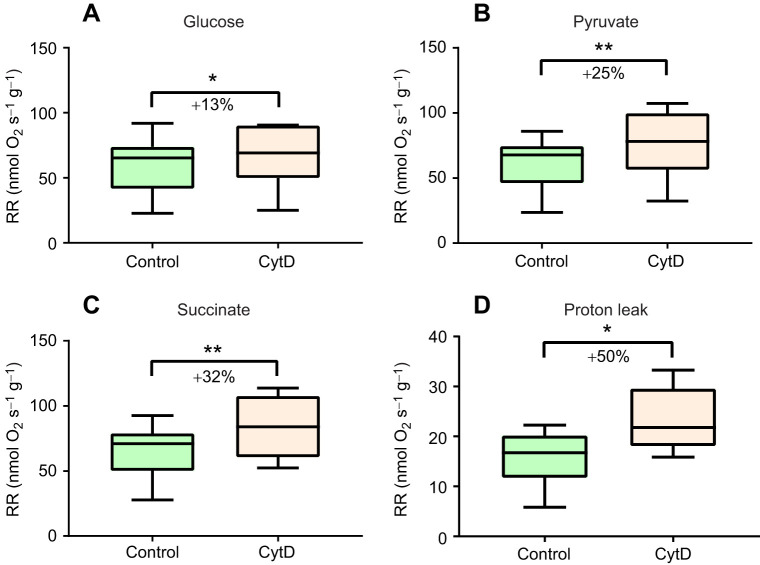 Figure 2
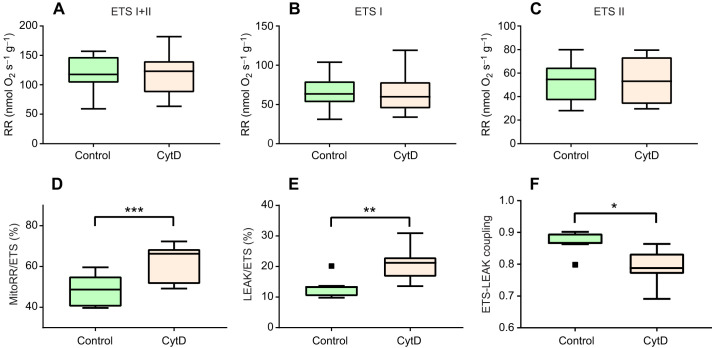 Figure 3
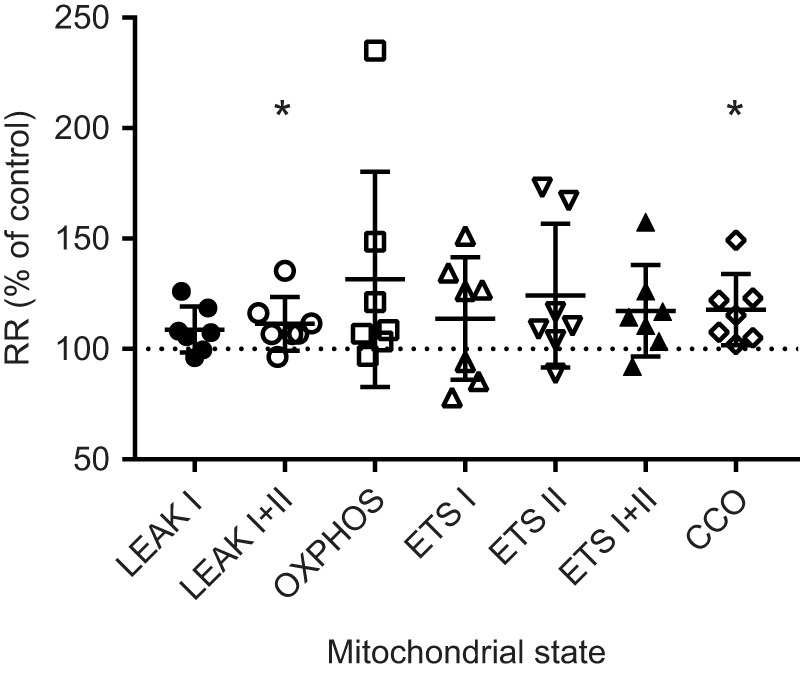 Figure 4
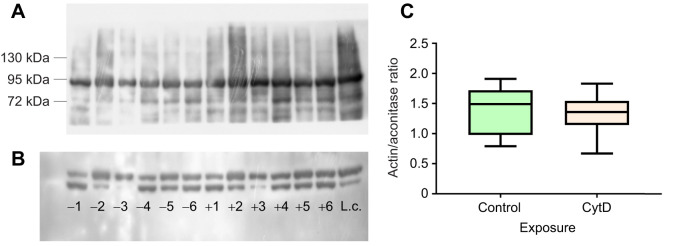 Figure 5
Peer Reviews
No public reviews on file for this paper yet. If you reviewed it on a platform where reviews are public (OpenReview, ICLR, NeurIPS, ICML), you can paste yours below so the community can read it here.
Videos
No videos yet. Explain this paper in a talk, walkthrough, or lecture? Add one.
Taxonomy
TopicsCellular Mechanics and Interactions · Cardiomyopathy and Myosin Studies · Physiological and biochemical adaptations