Formin 3 stabilizes the cytoskeleton of Drosophila tendon cells, thus enabling them to resist muscle tensile forces
Helena Pissarek, Na Huang, Leanna H. Frasch, Hermann Aberle, Manfred Frasch

TL;DR
Formin 3 helps stabilize Drosophila tendon cells' cytoskeleton, allowing them to resist muscle tension.
Contribution
This study identifies Formin 3 as a key stabilizer of cytoskeletal arrays in tendon cells under muscle tension.
Findings
form3 mutants show stretched tendon cells and muscle retraction due to destabilized cytoskeletal arrays.
Form3 is localized along actin and microtubule arrays, suggesting a role in co-bundling these structures.
Disrupted cytoskeletal arrays in form3 mutants reveal insights into inverted formins' function.
Abstract
The cytoskeleton of Drosophila tendon cells features specialized F-actin and microtubule arrays that endow these cells with resistance to the tensile forces exerted by the attached muscles. In a forward genetic screen for mutants with neuromuscular junction and muscle morphology phenotypes in larvae, we identified formin 3 (form3) as a crucial component for stabilizing these cytoskeletal arrays under muscle tension. form3 mutants exhibit severely stretched tendon cells in contact with directly attached larval body wall muscles, leading to muscle retraction and rounding. Both the actomyosin and microtubule arrays are expanded likewise in these mutants and can separate laterally in extreme cases. Analysis of a natively HA-tagged, functional version of Form3 reveals that Form3 is distributed along the length of these cytoskeletal arrays. Based on our findings and existing data on…
Genes, proteins, chemicals, diseases, species, mutations and cell lines named across the full text — each resolved to its canonical identifier and authoritative record.
Click any figure to enlarge with its caption.
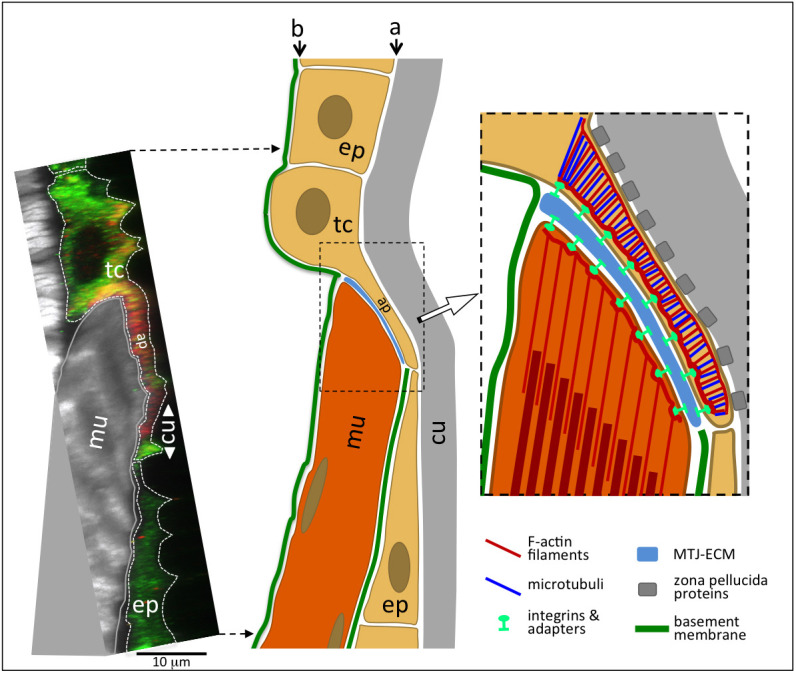 Figure 1
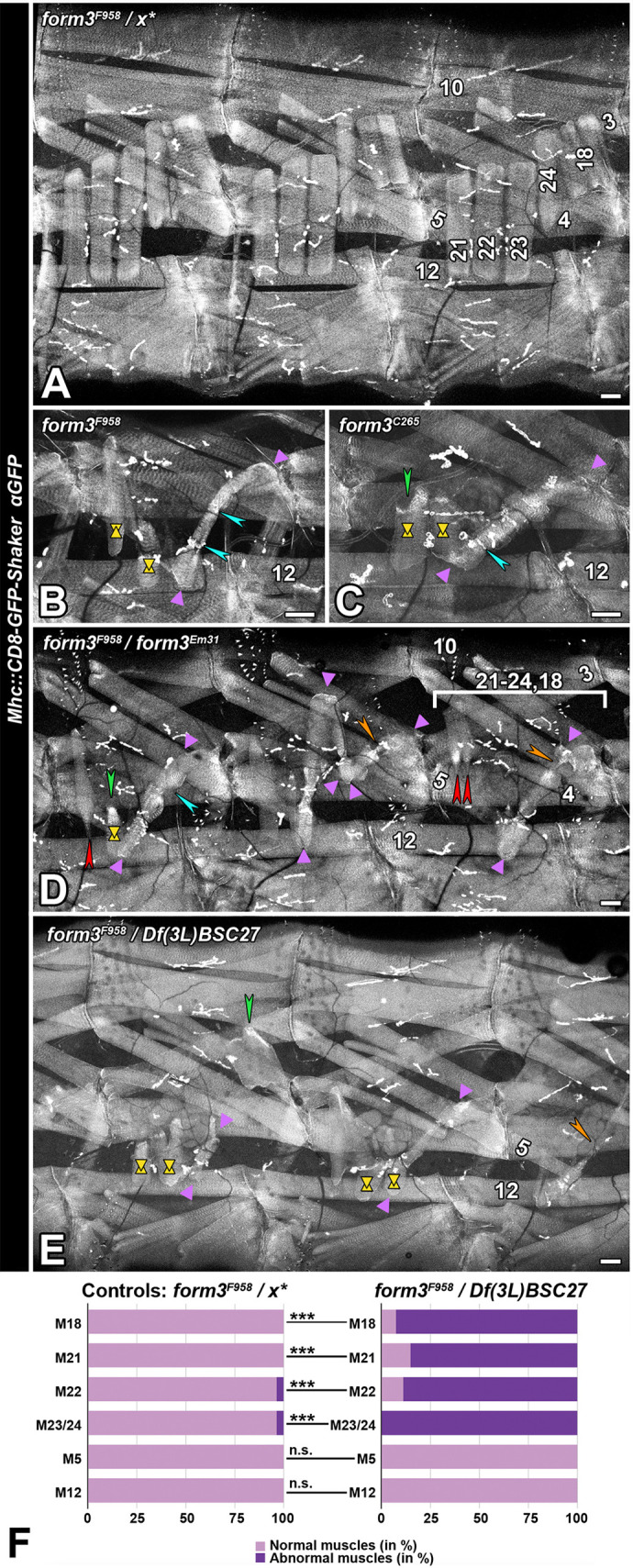 Figure 2
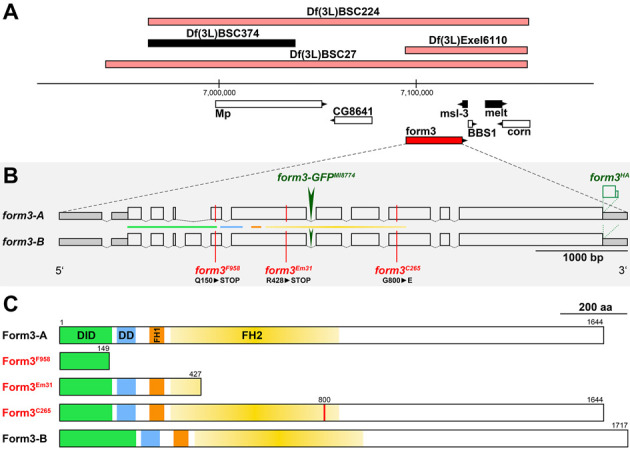 Figure 3
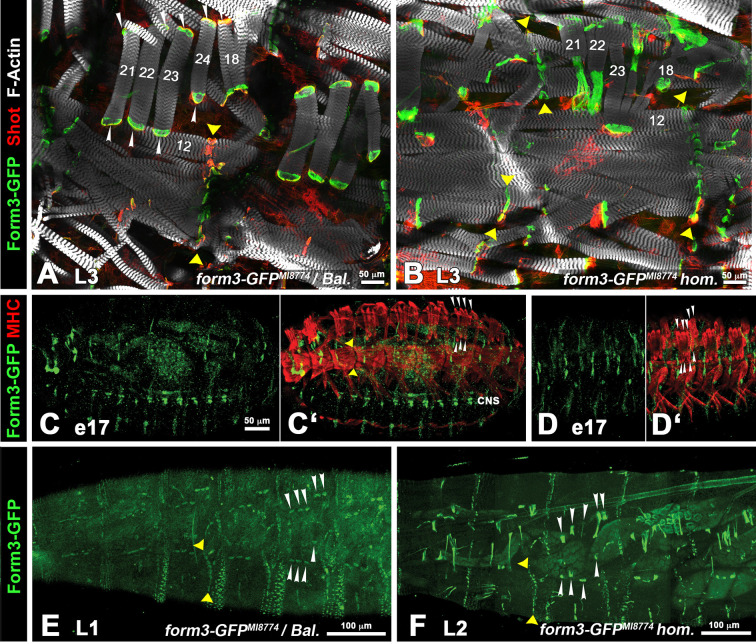 Figure 4
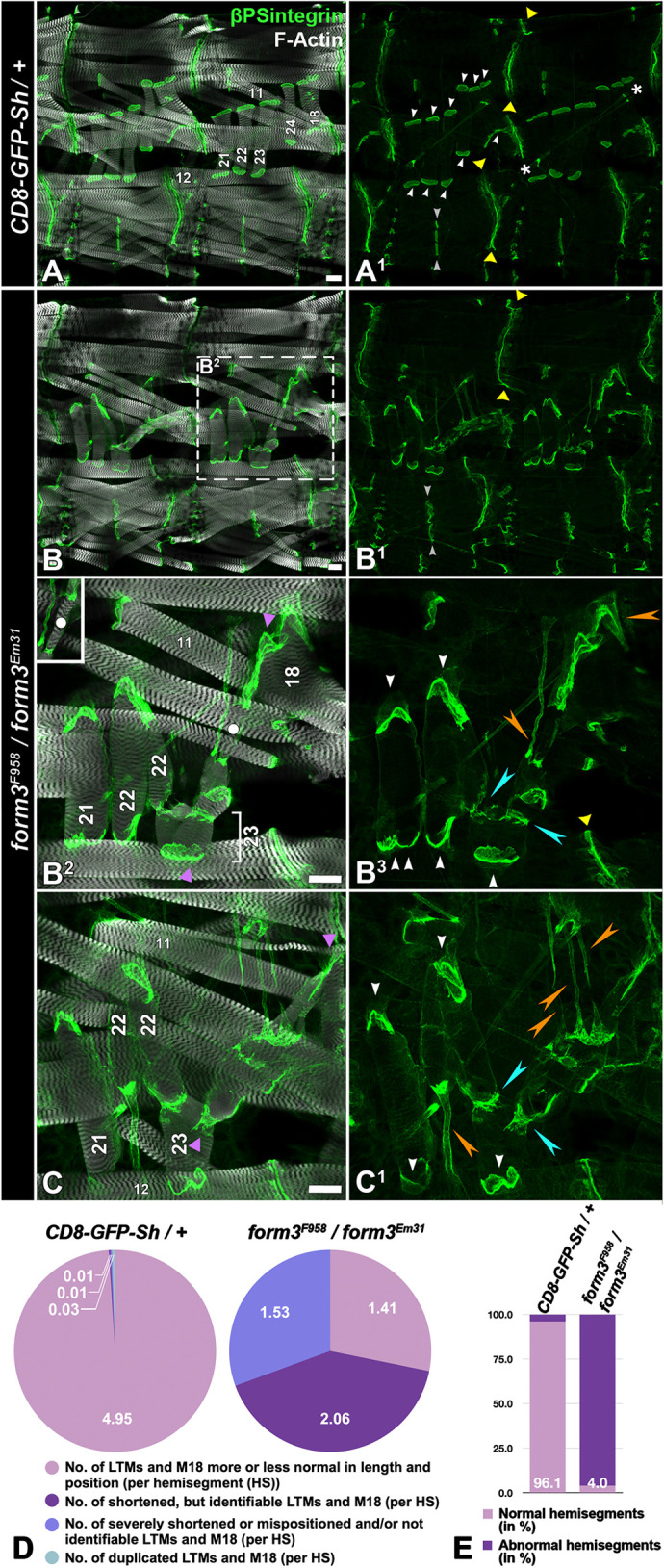 Figure 5
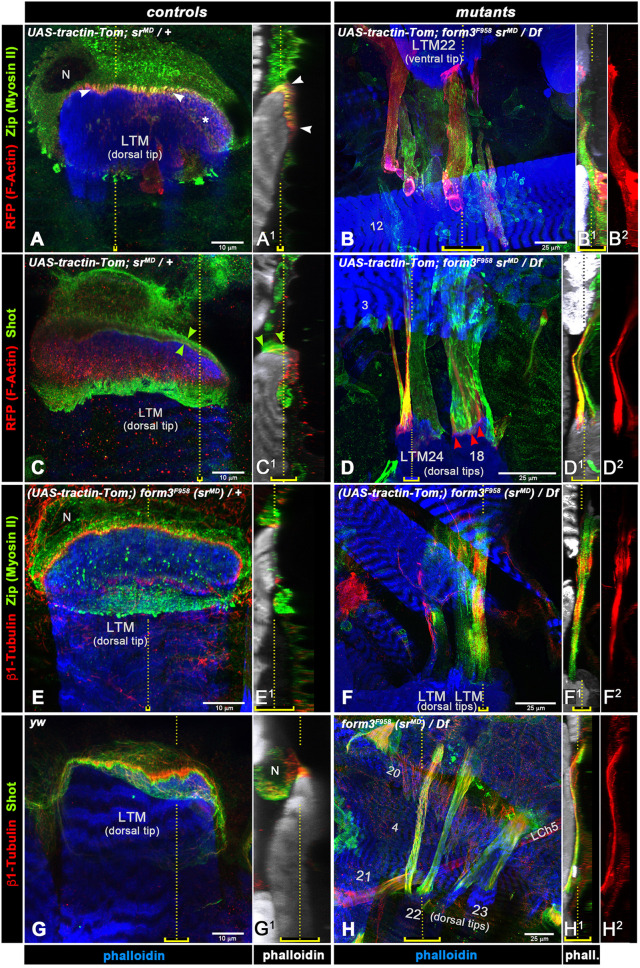 Figure 6
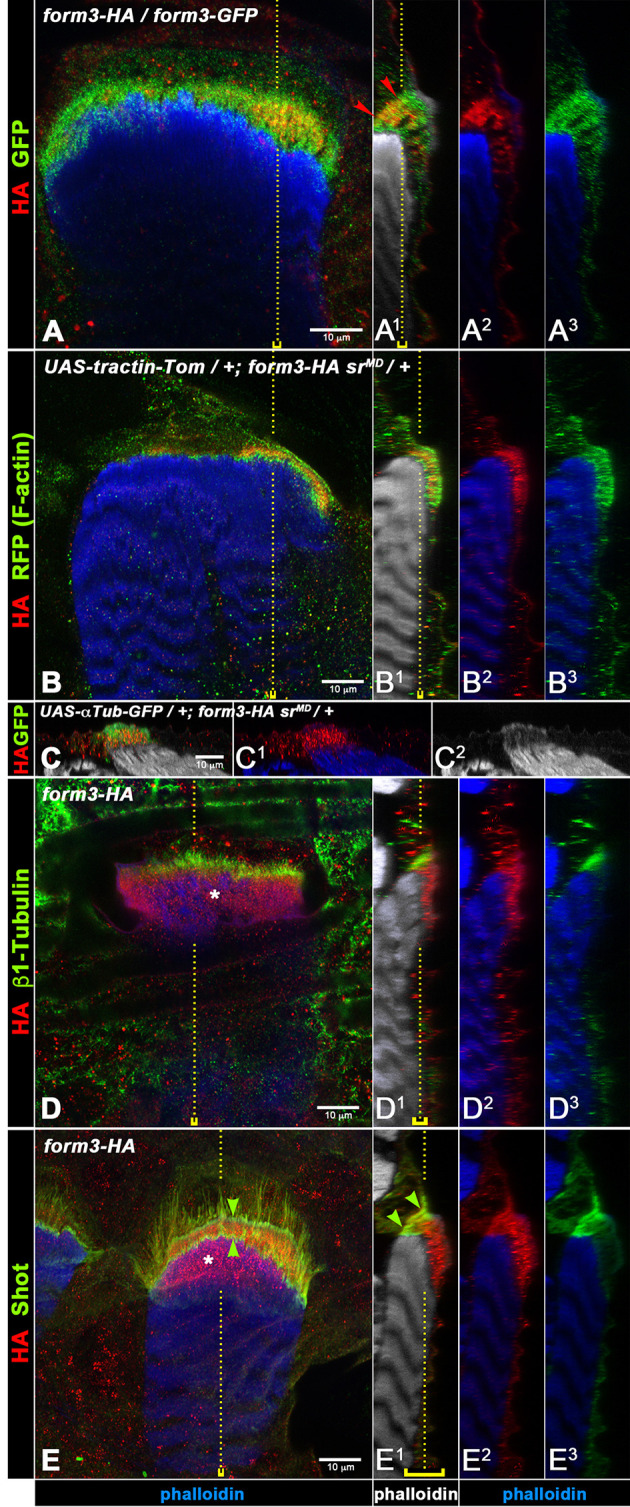 Figure 7
Peer Reviews
No public reviews on file for this paper yet. If you reviewed it on a platform where reviews are public (OpenReview, ICLR, NeurIPS, ICML), you can paste yours below so the community can read it here.
Videos
No videos yet. Explain this paper in a talk, walkthrough, or lecture? Add one.
Taxonomy
TopicsCellular Mechanics and Interactions · Genetics, Aging, and Longevity in Model Organisms · Cardiomyopathy and Myosin Studies