Tafazzin-Deficient Zebrafish Display Mitochondrial Dysfunction, Neutropenia, and Metabolic Defects Without Myopathy
Usua Oyarbide, Rebecca A. Anderson, Igor Radzikh, Jillian V. Kodger, Akshay S. Patil, Morgan Staton, Anny Mulya, Genevieve M. Crane, Silvio Litovsky, Yana Sandlers, Seth J. Corey

TL;DR
Zebrafish lacking tafazzin show mitochondrial and metabolic issues similar to Barth syndrome but do not develop myopathy, offering new insights into the disease.
Contribution
A tafazzin-deficient zebrafish model was developed to study Barth syndrome, revealing metabolic defects without myopathy.
Findings
Tafazzin-deficient zebrafish showed neutropenia and metabolic disturbances like those in Barth syndrome.
Despite mitochondrial dysfunction, zebrafish had normal lifespan and fertility.
Adult tafazzin mutants exhibited higher neutrophil counts and signs of inflammation.
Abstract
Barth syndrome is an X-linked syndrome characterized by cardiomyopathy, skeletal myopathy, and neutropenia. This life-threatening disorder results from loss-of-function mutations in TAFAZZIN, which encodes a phospholipid-lysophospholipid transacylase located in the mitochondria inner membrane. Decreased cardiolipin levels and increased monolysocardiolipin levels perturb mitochondrial function. However, the mechanism(s) leading to myopathies and neutropenia are unknown, and no currently effective therapy exists. To address these knowledge gaps, we generated tafazzin-deficient zebrafish. Neutropenia developed 5 days post-fertilization, but surprisingly no cardiac or skeletal myopathies were detected into adulthood. tafazzin mutants displayed multiple metabolic disturbances like those observed in humans with Barth syndrome. These include increased monolysocardiolipin: cardiolipin ratios,…
Genes, proteins, chemicals, diseases, species, mutations and cell lines named across the full text — each resolved to its canonical identifier and authoritative record.
Click any figure to enlarge with its caption.
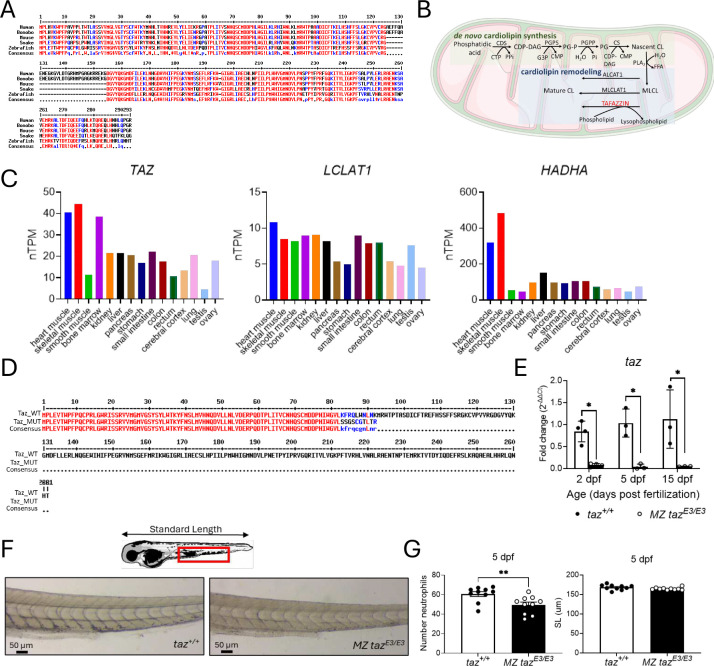 Figure 1
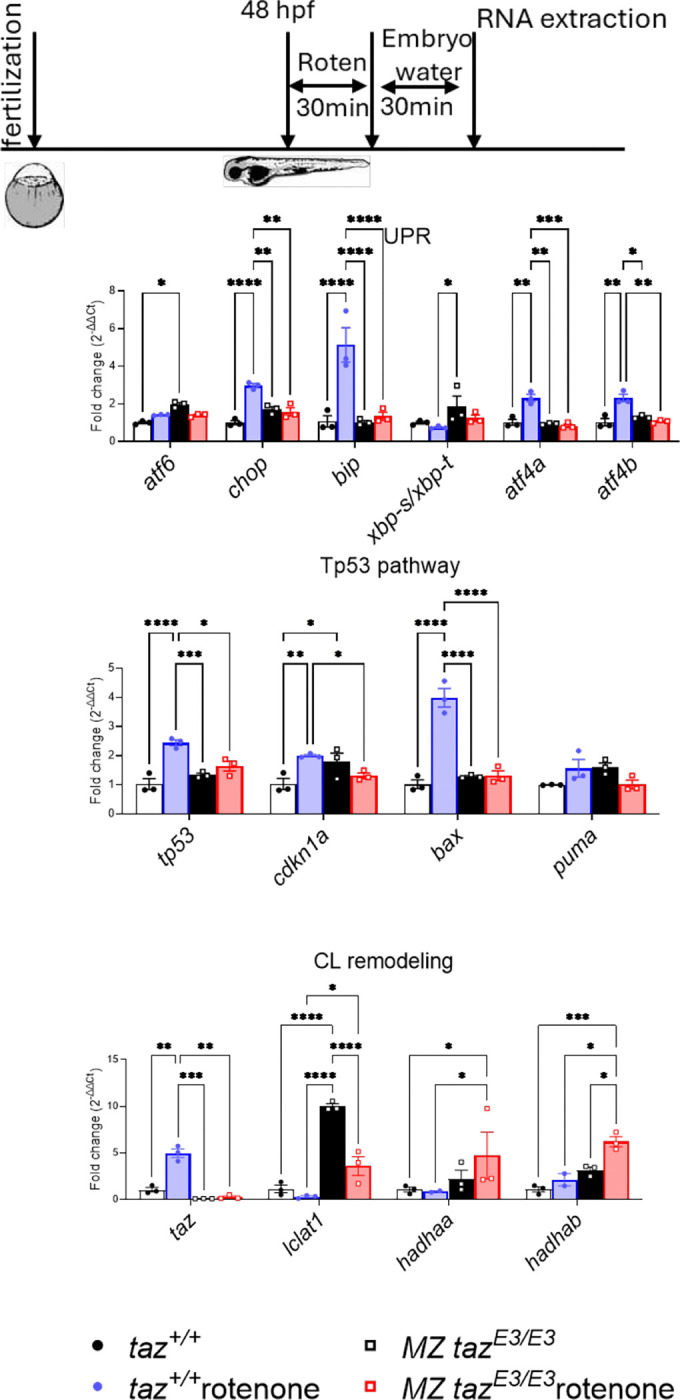 Figure 2
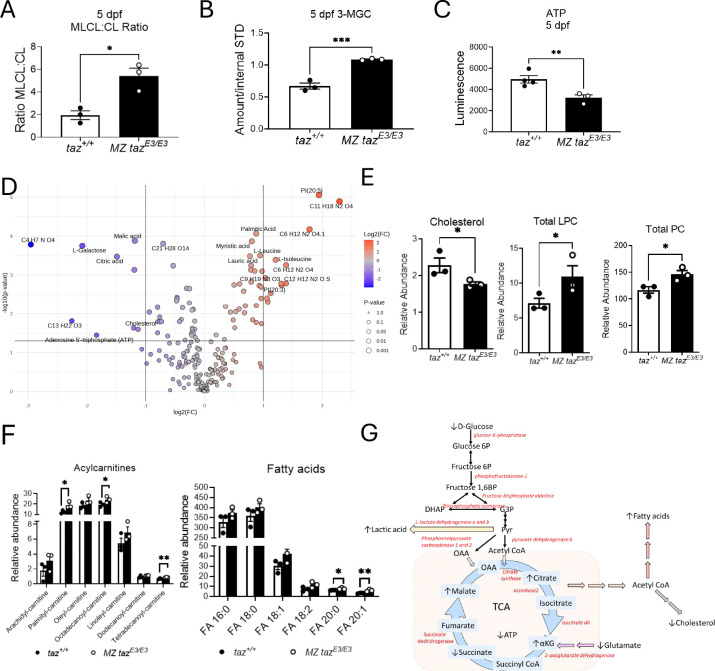 Figure 3
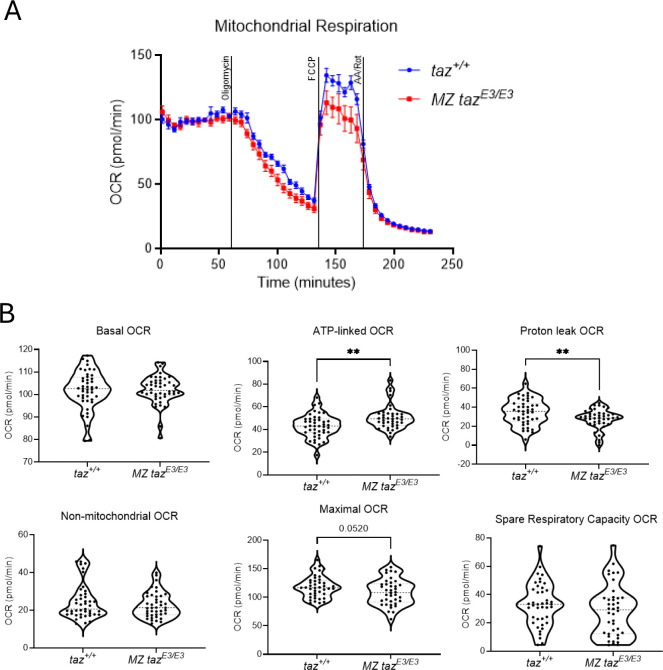 Figure 4
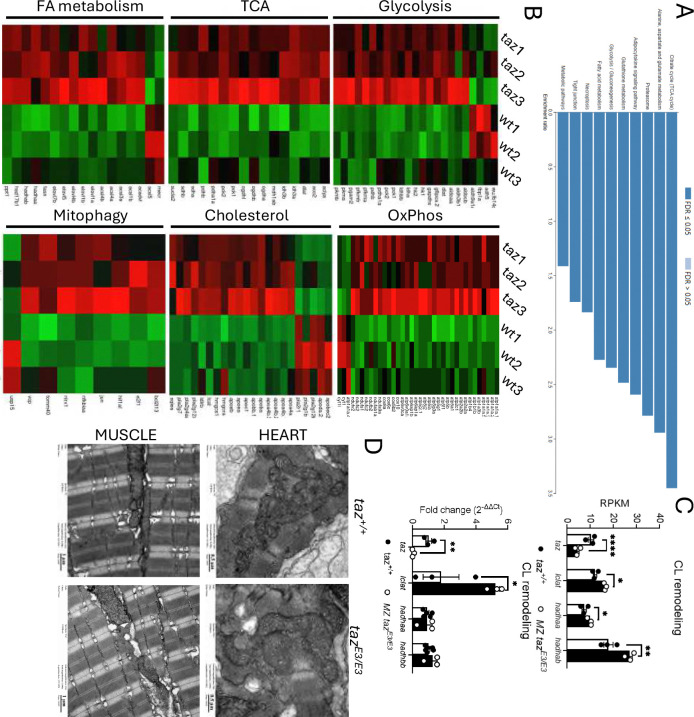 Figure 5
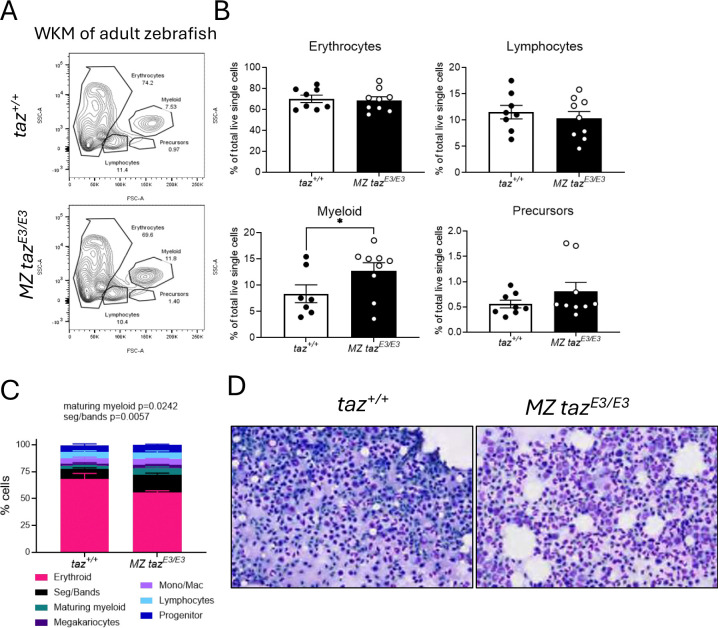 Figure 6
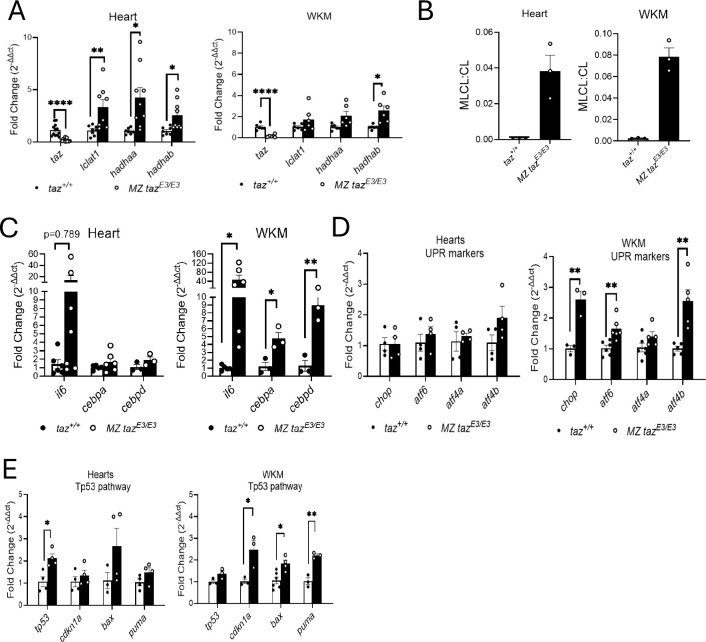 Figure 7
Peer Reviews
No public reviews on file for this paper yet. If you reviewed it on a platform where reviews are public (OpenReview, ICLR, NeurIPS, ICML), you can paste yours below so the community can read it here.
Videos
No videos yet. Explain this paper in a talk, walkthrough, or lecture? Add one.
Taxonomy
TopicsZebrafish Biomedical Research Applications · Erythrocyte Function and Pathophysiology · Cell death mechanisms and regulation