CD133-positive dermal papilla cells are a major driver in promoting hair follicle formation
Huangying Zhao, Linli Zhou, Lindsey Siegfried, Dorothy Supp, Steven Boyce, Thomas Andl, Yuhang Zhang

TL;DR
CD133-positive dermal papilla cells are more effective at promoting hair follicle formation than their CD133-negative counterparts.
Contribution
Identifies CD133+ dermal papilla cells as a key driver in hair follicle formation using a new transgenic mouse model.
Findings
CD133+ dermal papilla spheroids showed stronger alkaline phosphatase staining and higher expression of signature genes.
Mice grafted with CD133+ spheroids grew more hairs in healed wounds compared to CD133− spheroids.
Three-dimensional spheroid culture restored versican expression in both CD133+ and CD133− cells.
Abstract
A major contributing factor to the failure of cell-based human hair follicle (HF) engineering is our inability to cultivate highly specialized, inductive mesenchymal fibroblasts, which reside in a unique niche at the HF base, called the dermal papilla (DP). We and other groups have discovered a unique DP fibroblast subpopulation that can be identified by the cell surface marker CD133. However, the biological difference between CD133-positive (CD133+) and CD133-negative (CD133−) DP cells remains unknown. Using a newly developed double fluorescent transgenic mouse strain, we isolated CD133 + and CD133− DP cells from mouse anagen HFs. In monolayer culture, both DP populations gradually lost expression of the anagen DP signature gene, versican. When maintained in three-dimensional spheroid culture, versican expression was restored in both CD133 + and CD133− DP cells. Importantly, CD133 + DP…
Genes, proteins, chemicals, diseases, species, mutations and cell lines named across the full text — each resolved to its canonical identifier and authoritative record.
Click any figure to enlarge with its caption.
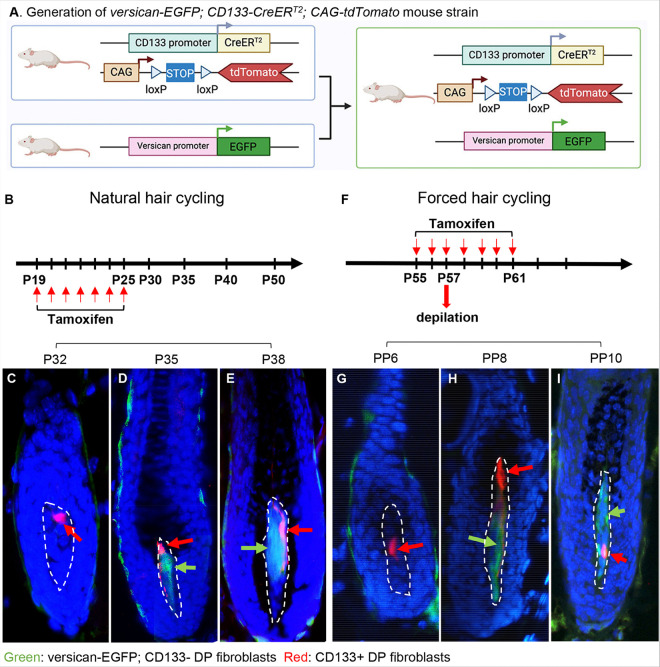 Figure 1
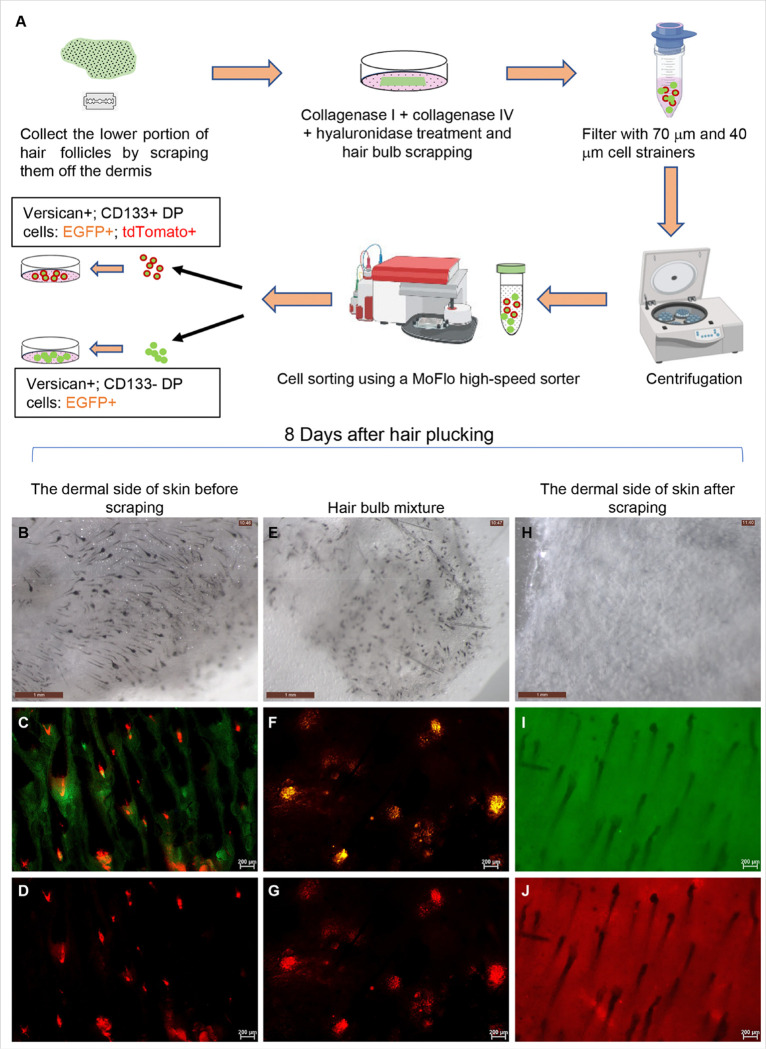 Figure 2
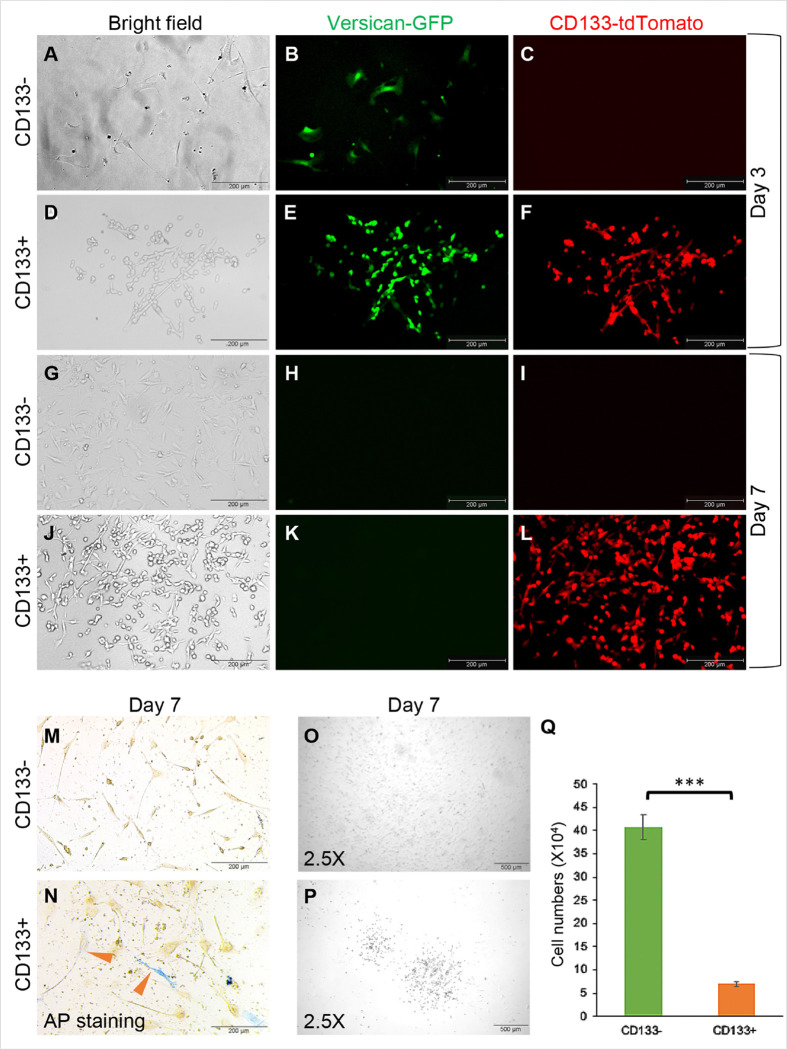 Figure 3
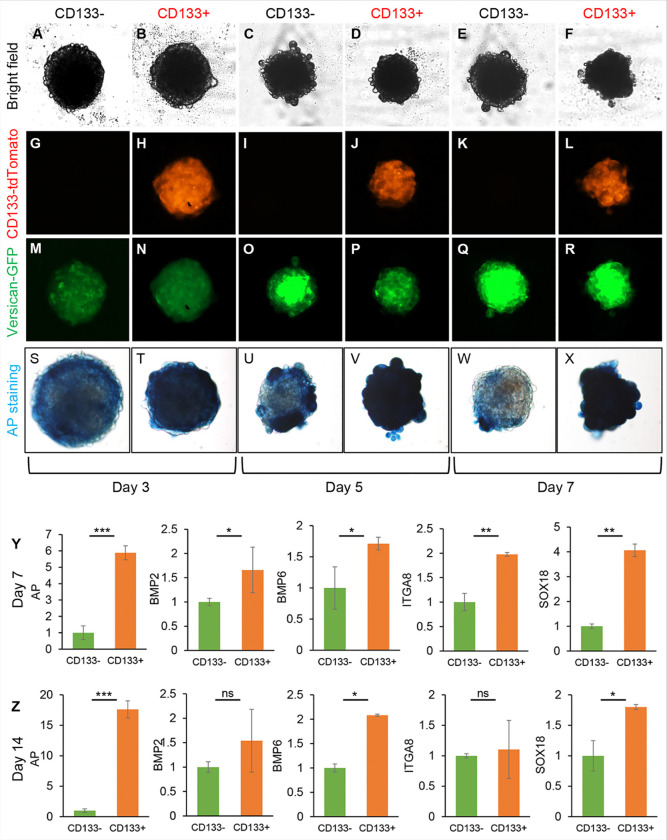 Figure 4
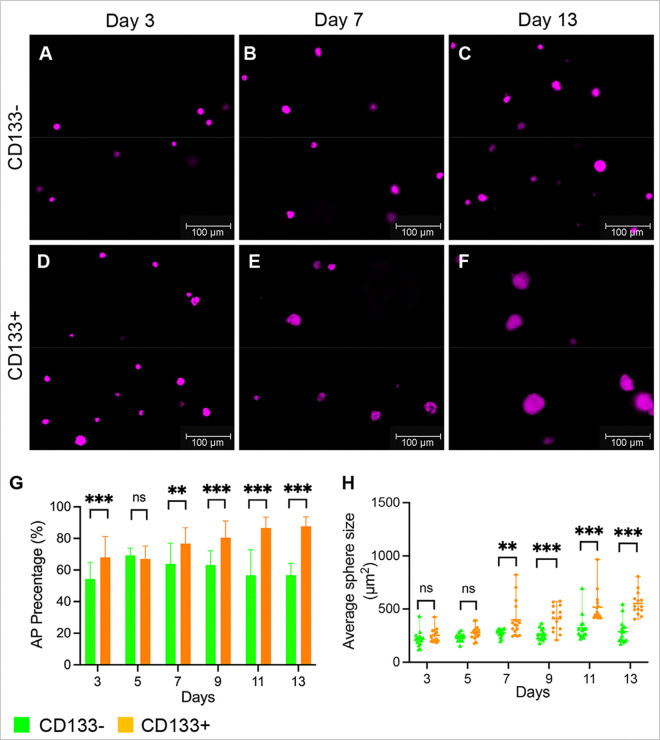 Figure 5
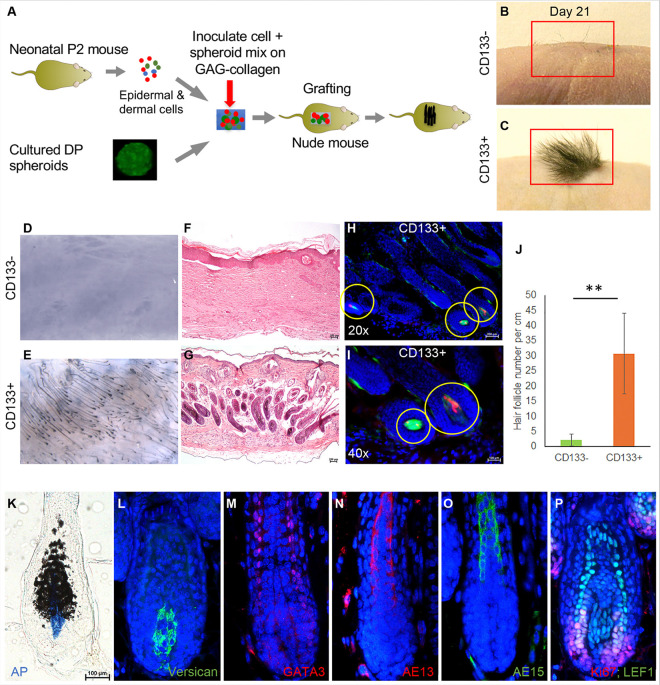 Figure 6
Peer Reviews
No public reviews on file for this paper yet. If you reviewed it on a platform where reviews are public (OpenReview, ICLR, NeurIPS, ICML), you can paste yours below so the community can read it here.
Videos
No videos yet. Explain this paper in a talk, walkthrough, or lecture? Add one.
Taxonomy
TopicsHair Growth and Disorders · Cancer and Skin Lesions · Skin and Cellular Biology Research