Bridging Gaps in Antibody Responses and Animal Welfare: Assessing Blood Collection Methods and Vaginal Immunity in Mice Immunized with Intranasal Gonococcal Vaccines
Abhishek Chanda, Yujuan Song, Junaid Nazir, Chenwei Lin, Alicia Cheng, Jennifer Sargent, Aleksandra E. Sikora

TL;DR
This study compares blood collection methods in mice to assess vaccine efficacy and finds that saphenous vein sampling may be more reliable and ethical than retro-orbital methods.
Contribution
The study introduces saphenous vein sampling as a viable alternative to retro-orbital sampling for reliable antibody response assessment in vaccine research.
Findings
Saphenous vein sampling showed higher functional antibody activity compared to retro-orbital sampling.
Antibodies from saphenous vein samples restored more lysozyme hydrolytic activity than retro-orbital samples.
SV sampling reduces animal stress and trauma, improving welfare without compromising immunological data.
Abstract
Assessing antibody titers and functional responses is essential for evaluating vaccine efficacy, yet the impact of blood collection methods on these immunological assessments remains unclear. Retro-orbital (RO) blood collection is commonly used but significant complications can occur. Increasingly, investigators have adopted alternative blood collection approaches, such as saphenous vein (SV) sampling to improve laboratory animal welfare. This study compared RO and SV sampling in the development of a Neisseria gonorrhoeae (Ng) vaccine, evaluating Adhesin Complex Protein (ACP) and multiple transferable resistance (Mtr) E protein (MtrE) as antigen candidates. Epitope mapping revealed that ACP and MtrE possess multiple, highly accessible B-cell and T-cell epitope clusters, reinforcing their immunological potential. Following intranasal immunization with rACP, rACP+CpG, and rMtrE+CpG, we…
Genes, proteins, chemicals, diseases, species, mutations and cell lines named across the full text — each resolved to its canonical identifier and authoritative record.
Click any figure to enlarge with its caption.
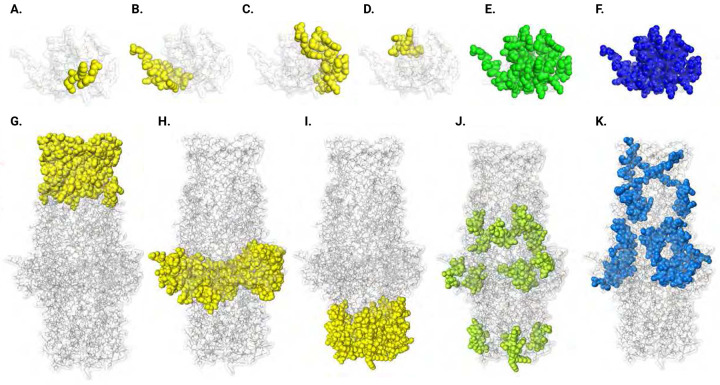 Figure 1
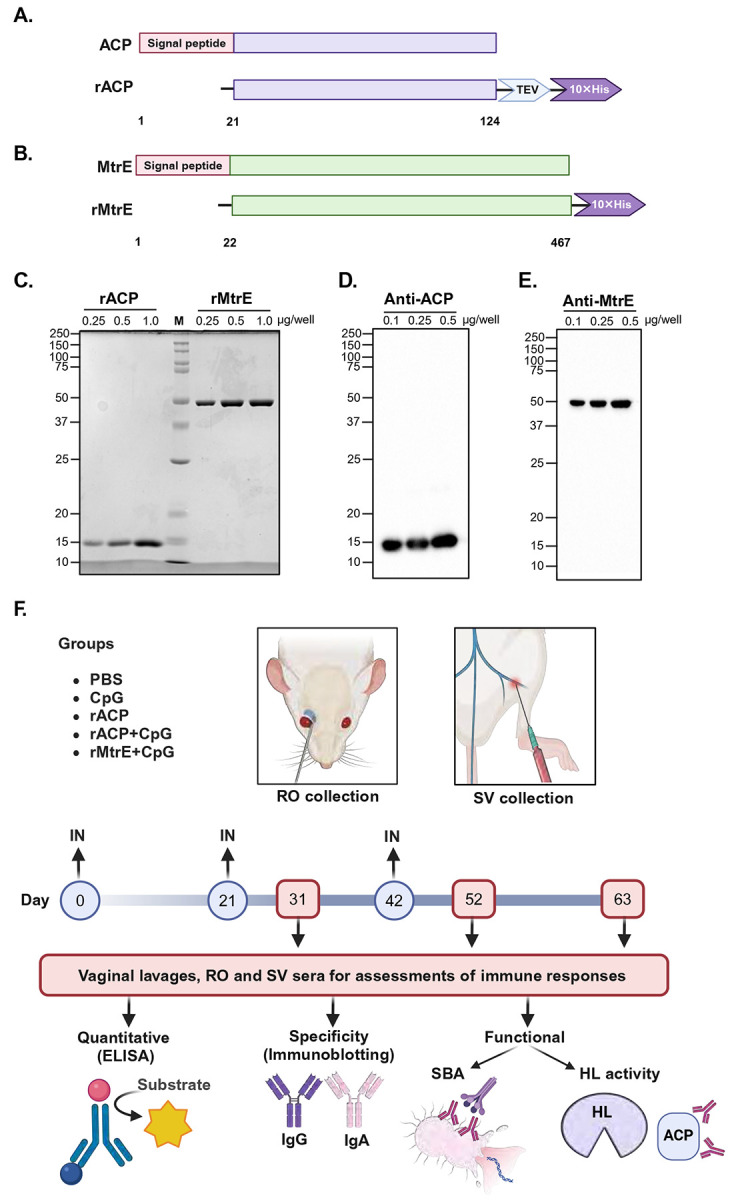 Figure 2
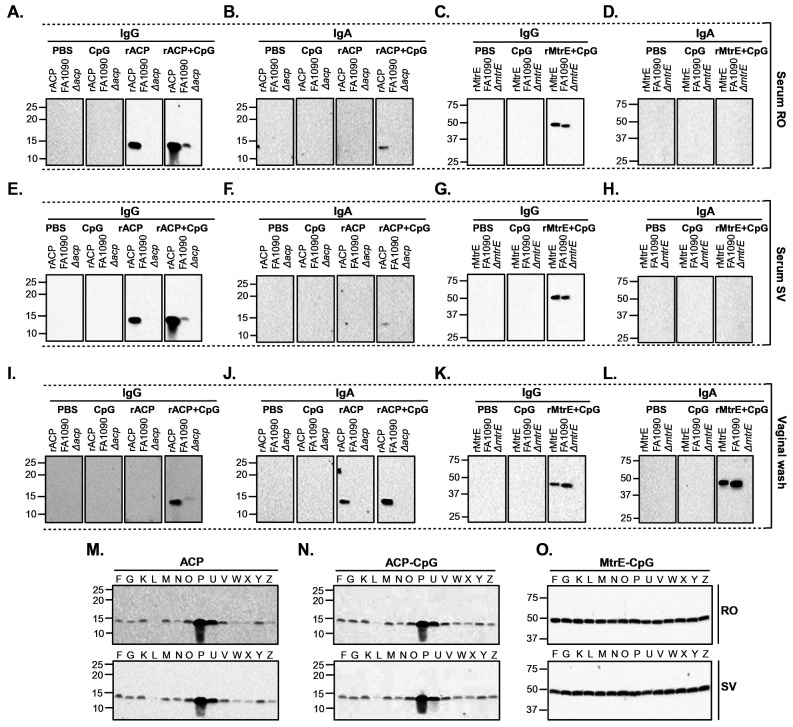 Figure 3
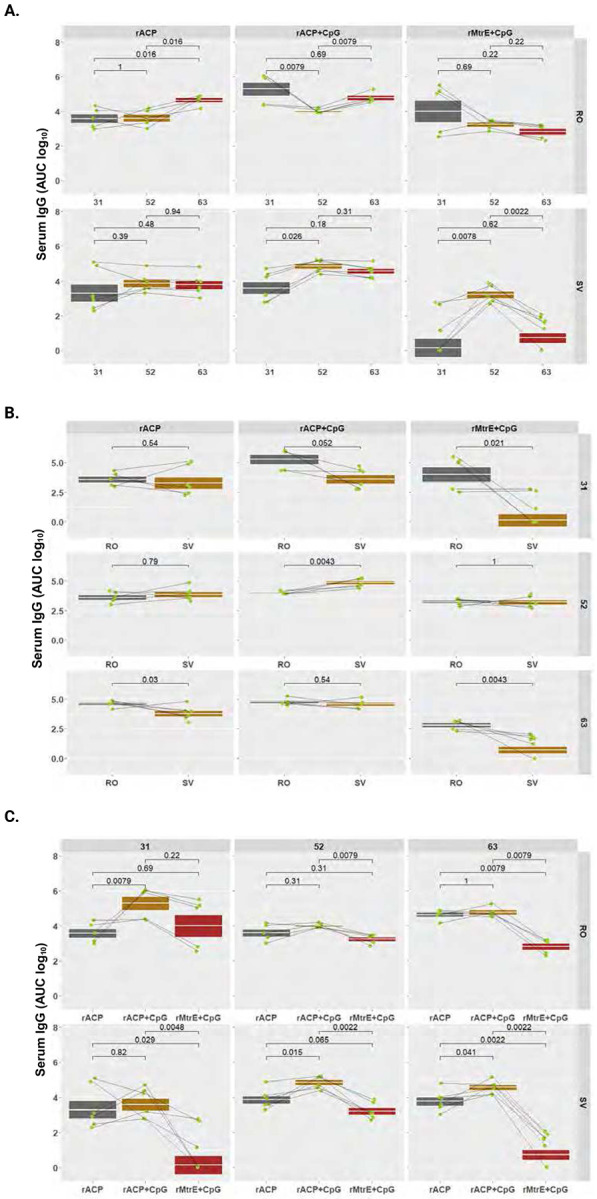 Figure 4
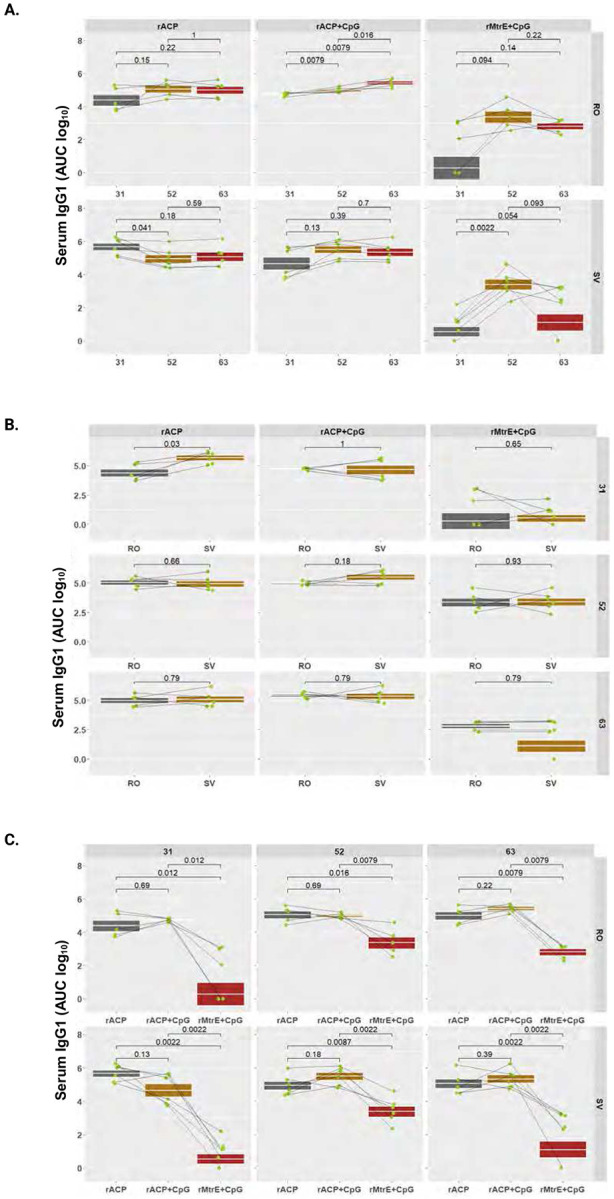 Figure 5
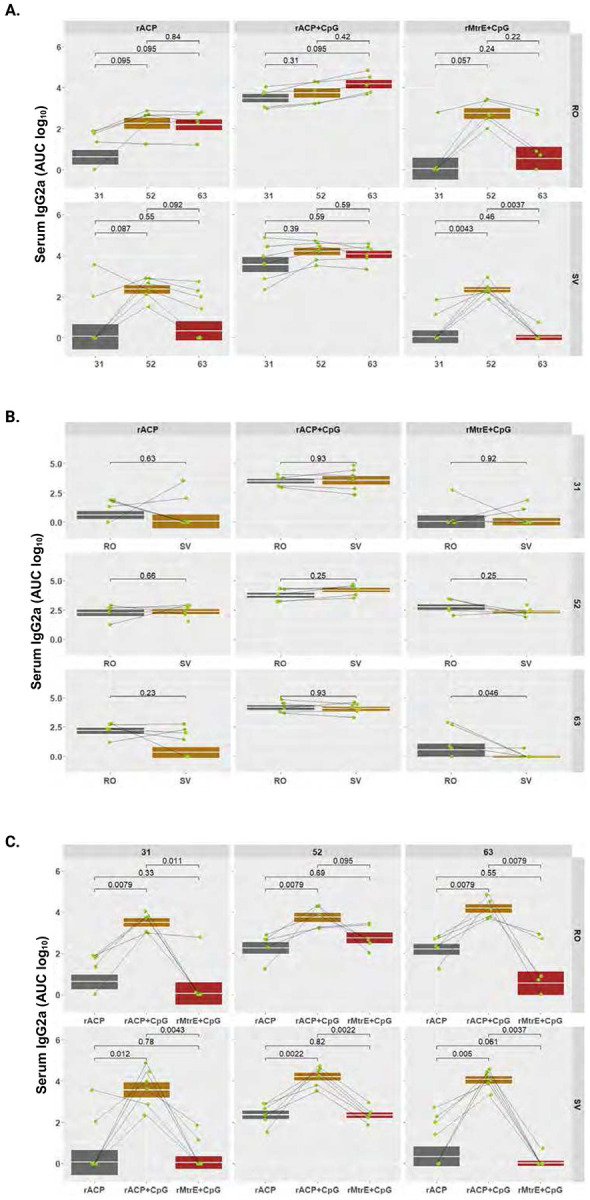 Figure 6
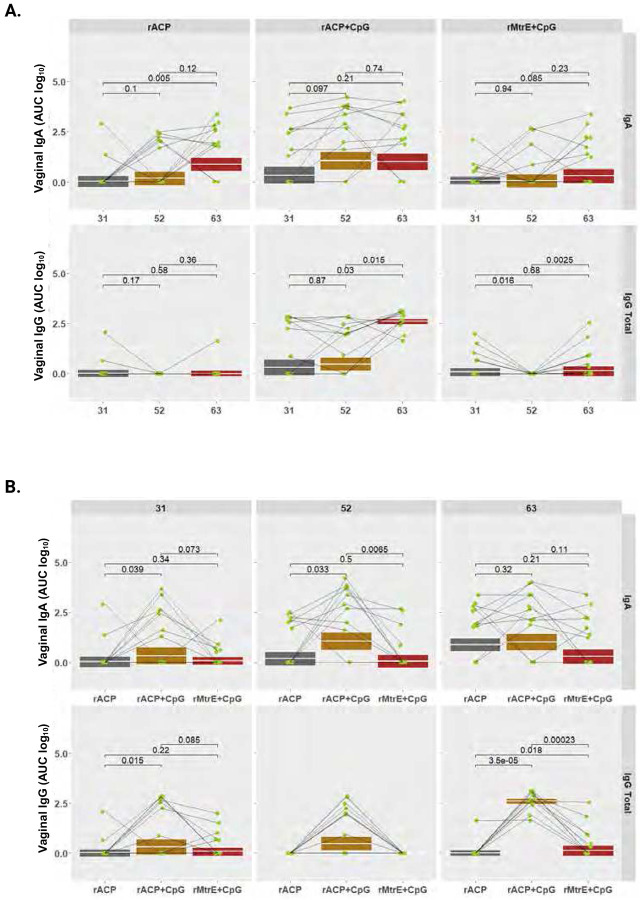 Figure 7
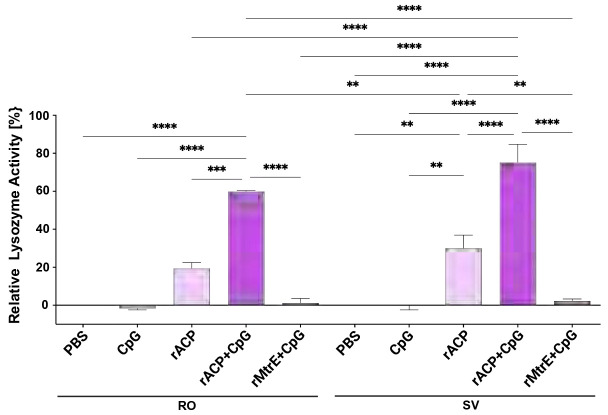 Figure 8
Peer Reviews
No public reviews on file for this paper yet. If you reviewed it on a platform where reviews are public (OpenReview, ICLR, NeurIPS, ICML), you can paste yours below so the community can read it here.
Videos
No videos yet. Explain this paper in a talk, walkthrough, or lecture? Add one.
Taxonomy
TopicsReproductive System and Pregnancy · Immune Response and Inflammation · Influenza Virus Research Studies