Harnessing the Power of Single-Cell Large Language Models with Parameter Efficient Fine-Tuning using scPEFT
Fei He, Ruixin Fei, Jordan E. Krull, Xinyu Zhang, Mingyue Gao, Li Su, Yibo Chen, Yang Yu, Jinpu Li, Baichuan Jin, Yuzhou Chang, Anjun Ma, Qin Ma, Dong Xu

TL;DR
This paper introduces scPEFT, a method to efficiently fine-tune single-cell large language models for better performance in specific biological tasks with limited data.
Contribution
scPEFT introduces low-dimensional adapters for parameter-efficient fine-tuning of scLLMs, reducing memory and parameter usage significantly.
Findings
scPEFT outperformed zero-shot and traditional fine-tuning in disease-specific and cross-species tasks.
It reduced GPU memory usage by over half and parameter tuning by more than 96%.
Attention analysis revealed COVID-related genes and unique blood cell subpopulations.
Abstract
Single-cell large language models (scLLMs) capture essential biological insights from vast single-cell atlases but struggle in out-of-context applications, where zero-shot predictions can be unreliable. To address this, we introduce a single-cell parameter-efficient fine-tuning (scPEFT) framework that integrates learnable, low-dimensional adapters into scLLMs. By freezing the backbone model and updating only the adapter parameters, scPEFT efficiently adapts to specific tasks using limited custom data. This approach mitigates catastrophic forgetting, reduces parameter tuning by over 96%, and decreases GPU memory usage by more than half, significantly enhancing scLLMs’s accessibility for resource-constrained researchers. Validated across diverse datasets, scPEFT outperformed zero-shot models and traditional fine-tuning in disease-specific, cross-species, and under-characterized cell…
Genes, proteins, chemicals, diseases, species, mutations and cell lines named across the full text — each resolved to its canonical identifier and authoritative record.
Click any figure to enlarge with its caption.
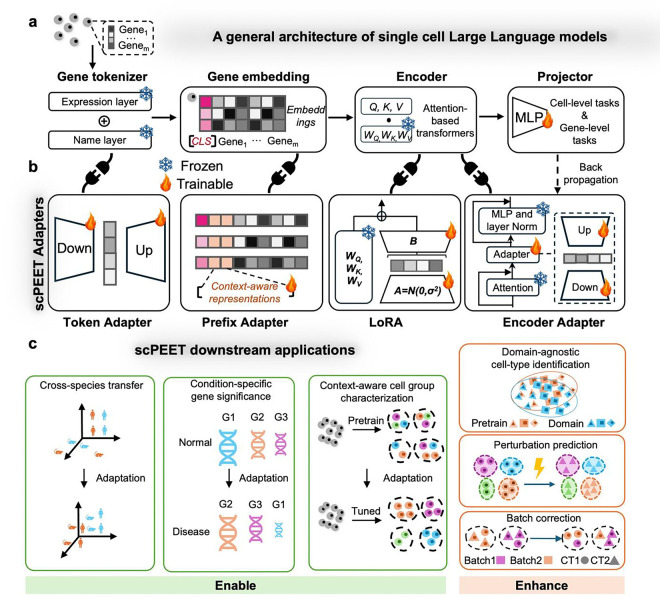 Figure 1
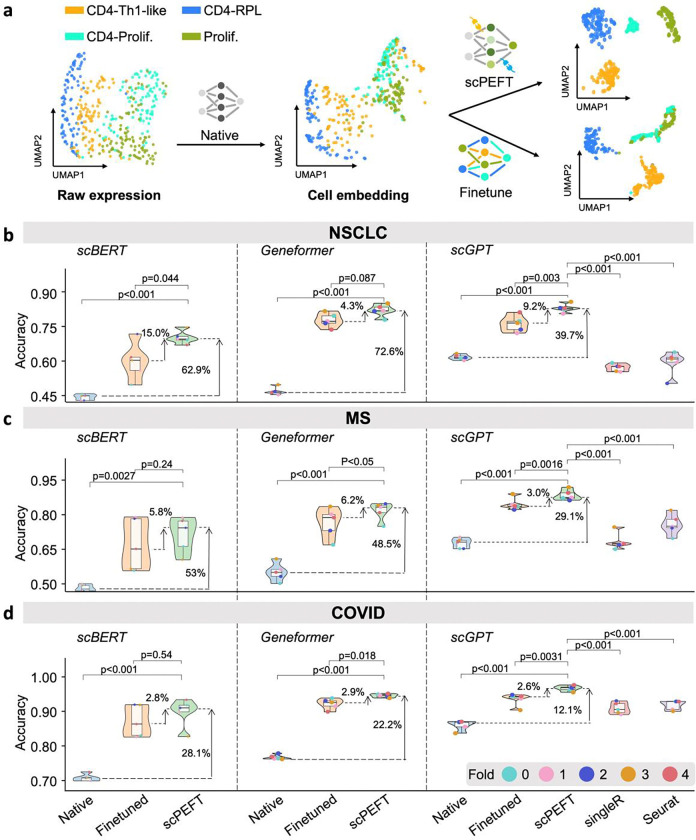 Figure 2
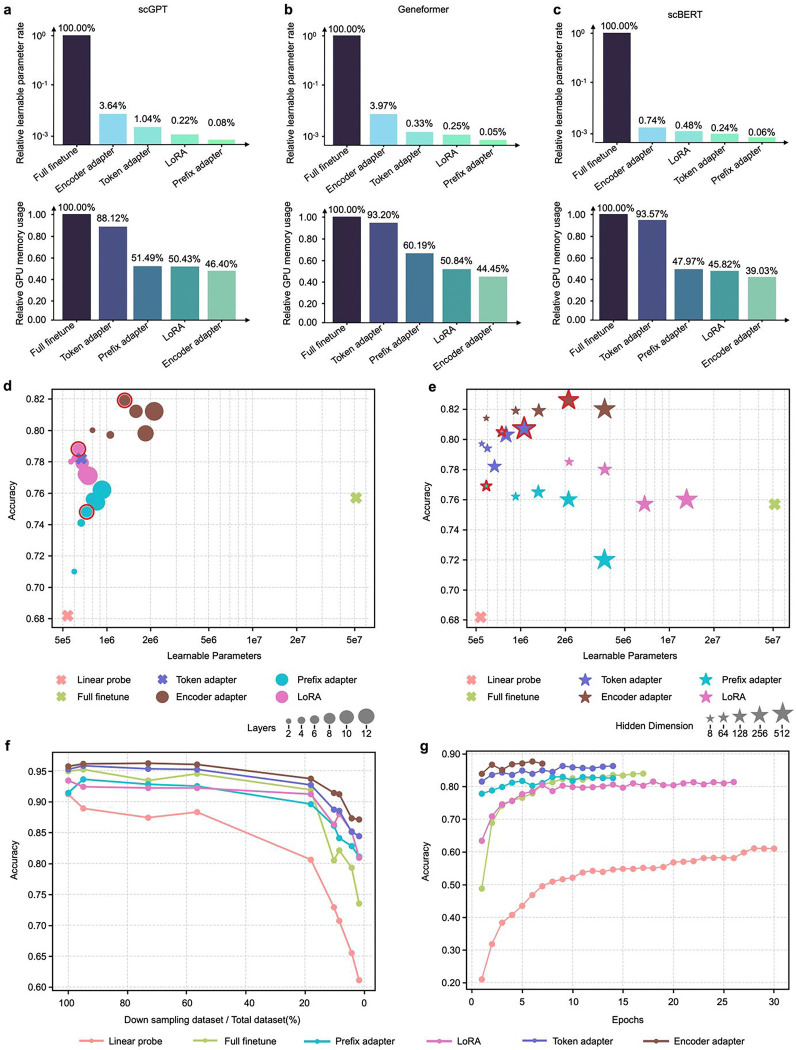 Figure 3
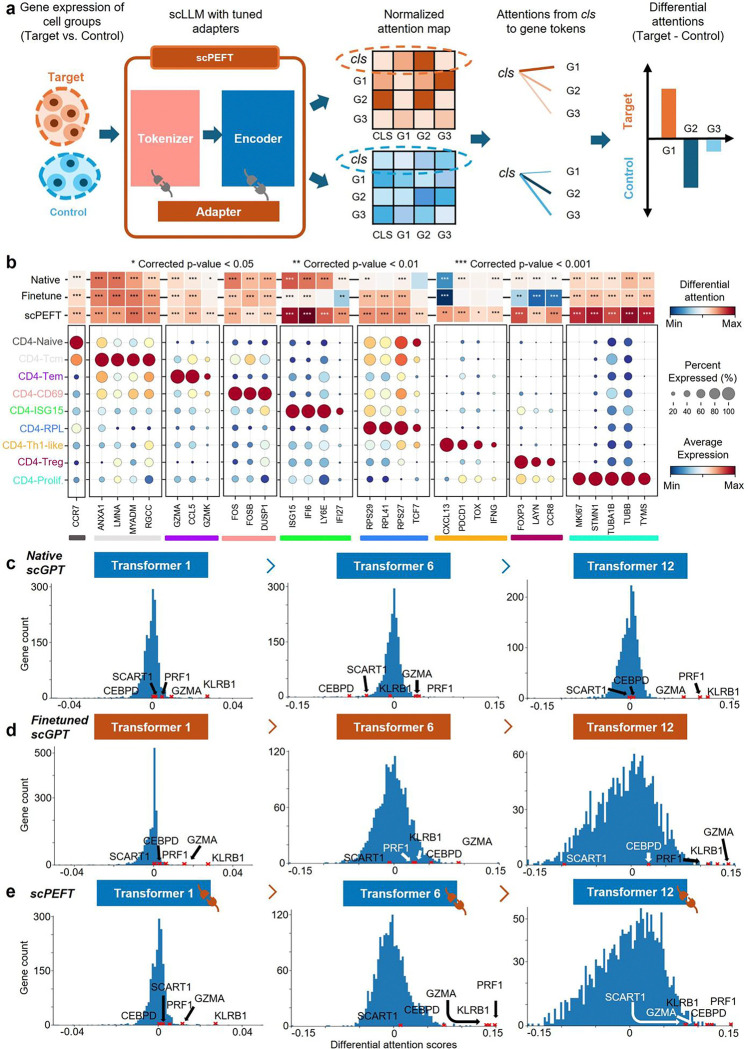 Figure 4
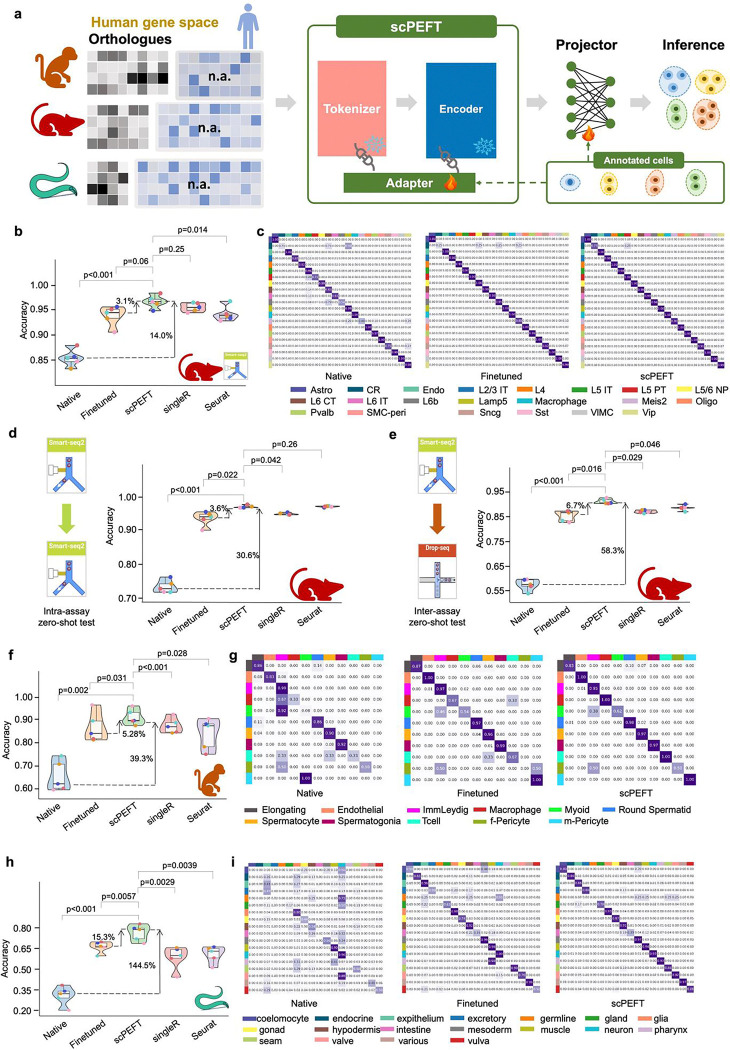 Figure 5
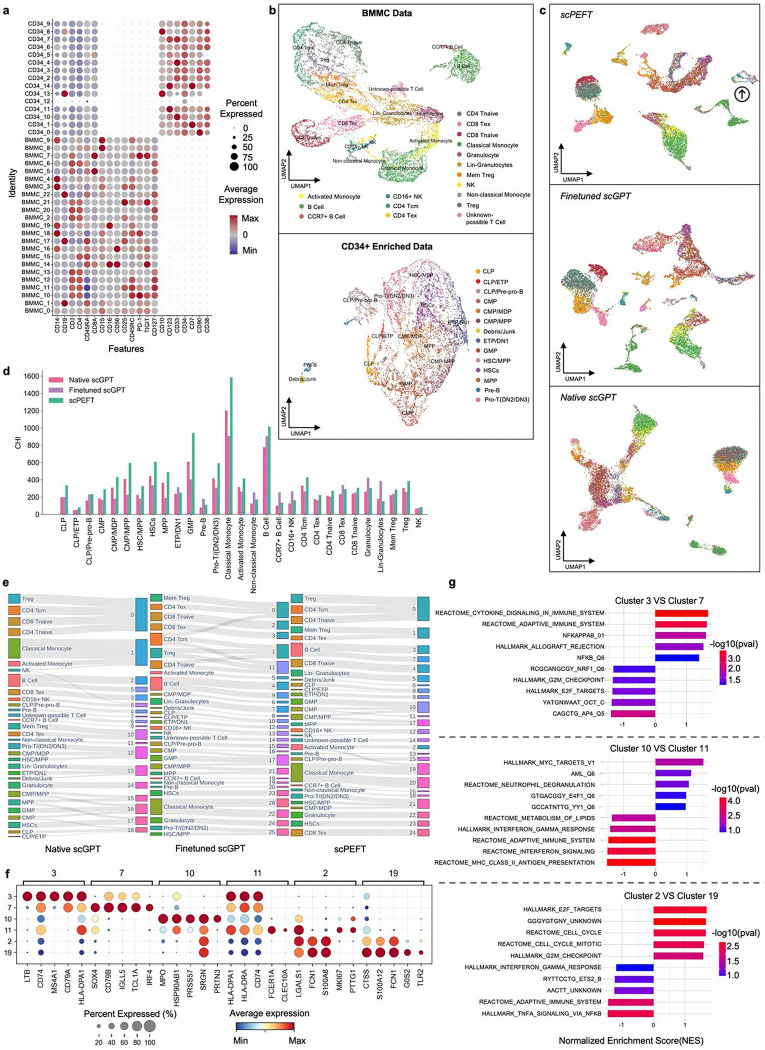 Figure 6
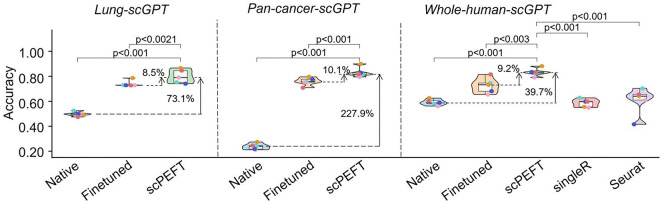 Figure 7
 Figure 8
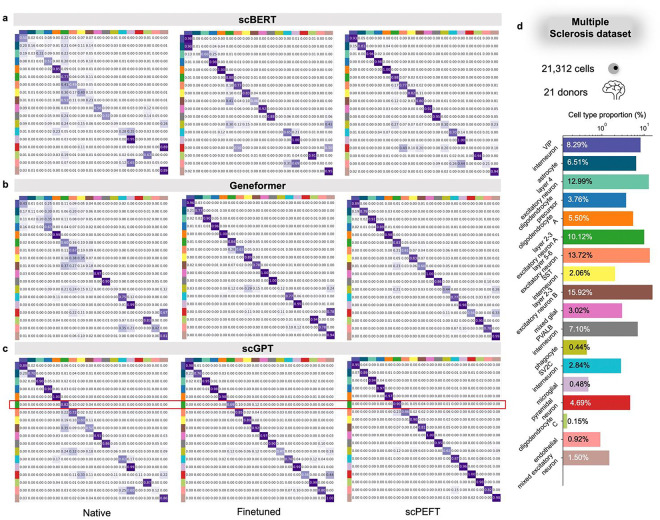 Figure 9
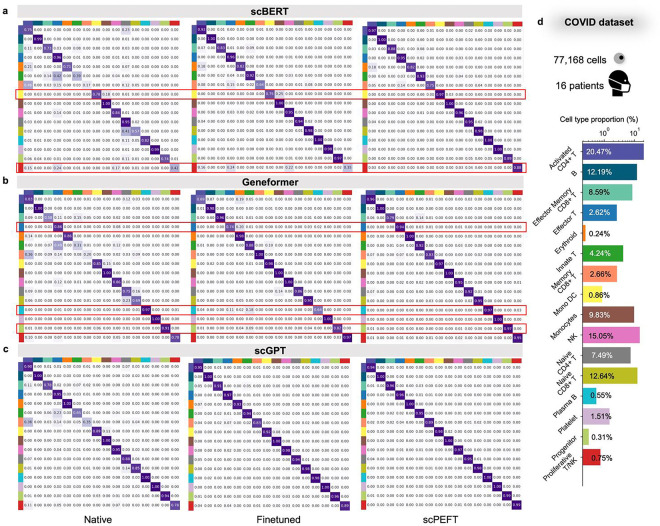 Figure 10
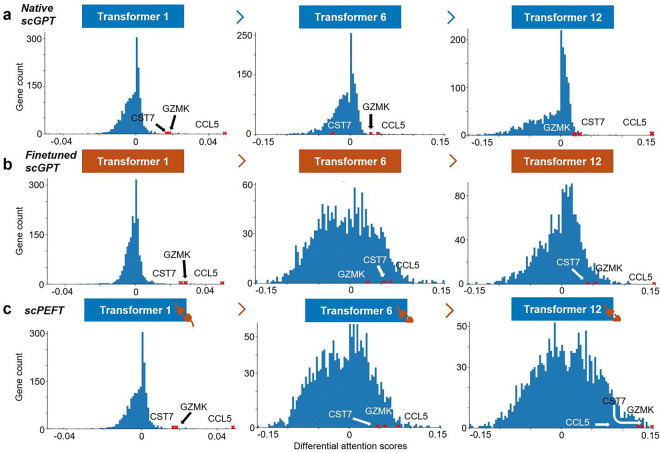 Figure 11
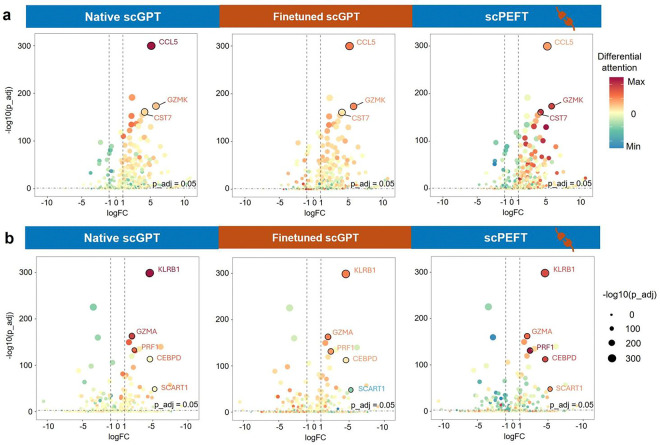 Figure 12
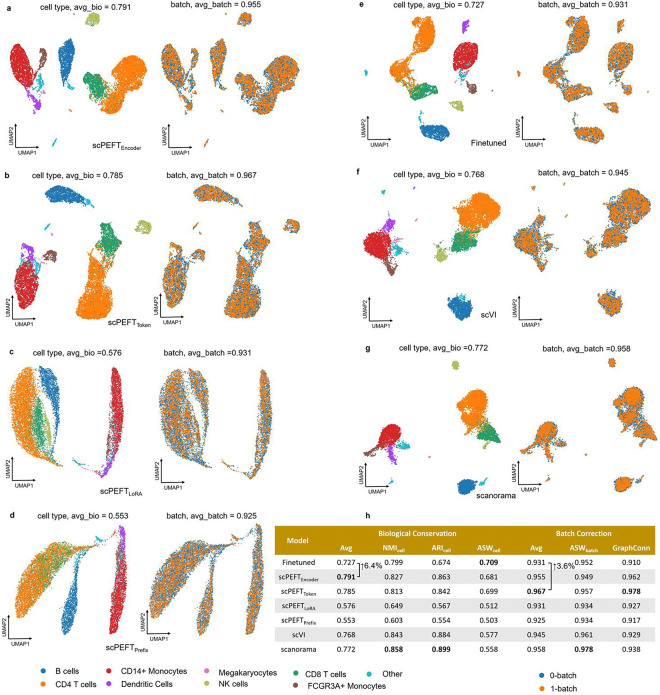 Figure 13
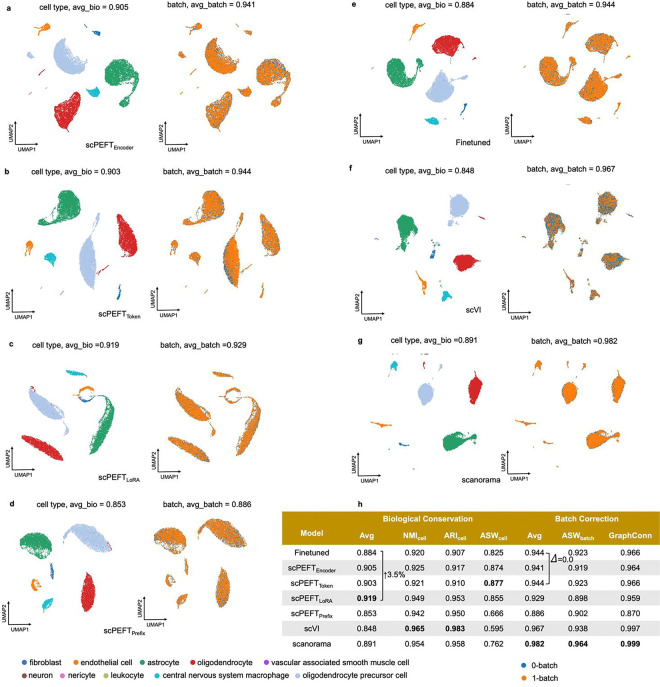 Figure 14
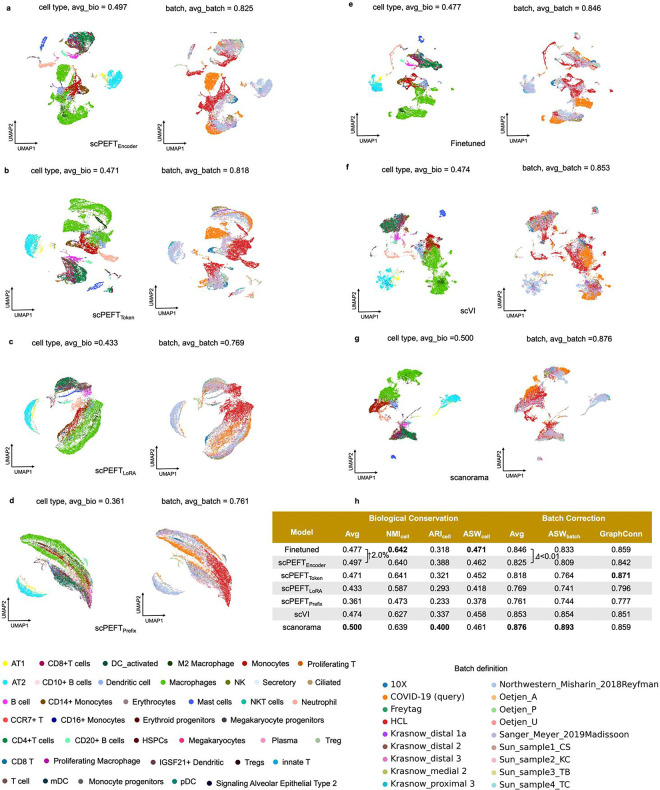 Figure 15
Peer Reviews
No public reviews on file for this paper yet. If you reviewed it on a platform where reviews are public (OpenReview, ICLR, NeurIPS, ICML), you can paste yours below so the community can read it here.
Videos
No videos yet. Explain this paper in a talk, walkthrough, or lecture? Add one.
Taxonomy
TopicsTopic Modeling · Ferroelectric and Negative Capacitance Devices