Nonhuman primate model mirroring human congenital cytomegalovirus infection reveals a spectrum of vertical transmission outcomes
Amitinder Kaur, Tabitha Manuel, Matilda Moström, Chelsea Crooks, Angel Davalos, Richard Barfield, Elizabeth Scheef, Savannah Kendall, Cecily Midkiff, Lesli Sprehe, Macey Trexler, Francis Boquet, Monica Shroyer, Victoria Danner, Lara Doyle-Meyers, Carolyn Weinbaum, Anne Mirza

TL;DR
A new nonhuman primate model of cytomegalovirus infection during pregnancy reveals how the virus can be passed to the fetus and affects both mother and baby.
Contribution
The study introduces a translational nonhuman primate model that mirrors human congenital CMV infection and vertical transmission dynamics.
Findings
RhCMV was transmitted to 50% of fetuses, with one case of full-blown fetal disease.
CMV exposure during pregnancy caused placental and fetal changes even without congenital infection.
Immune markers like TNF-alpha were elevated in transmitted cases, while IL-10 and BDNF were reduced.
Abstract
Congenital cytomegalovirus (cCMV) is the leading infectious cause of birth defects worldwide, yet immune determinants of protection to inform maternal vaccine design remain elusive due to the lack of a translational animal model. Here, we characterized the outcome of primary rhesus CMV (RhCMV) infection in pregnant, immunocompetent, CMV-naïve rhesus macaques. RhCMV DNA was detected in amniotic fluid and/or fetal tissues in six of 12 (50% placental transmission) dams following early second trimester gestation RhCMV inoculation. Widespread tissue dissemination dominated by one of two inoculated RhCMV strains was present in one fetus (8.3% cCMV disease). Placental transmission was associated with elevated fetal and maternal plasma TNF-alpha and reduced maternal brain-derived neurotrophic factor and IL-10 levels. CMV exposure during pregnancy had a broad impact on the placenta and fetus…
Genes, proteins, chemicals, diseases, species, mutations and cell lines named across the full text — each resolved to its canonical identifier and authoritative record.
Click any figure to enlarge with its caption.
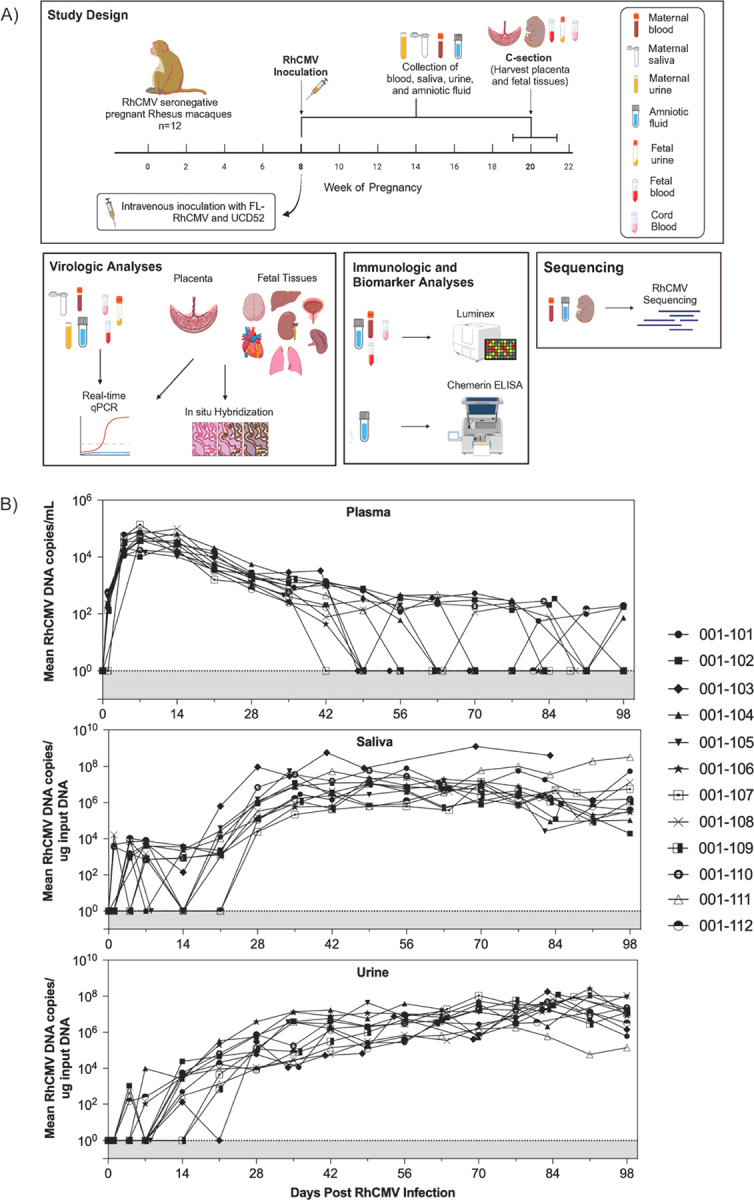 Figure 1
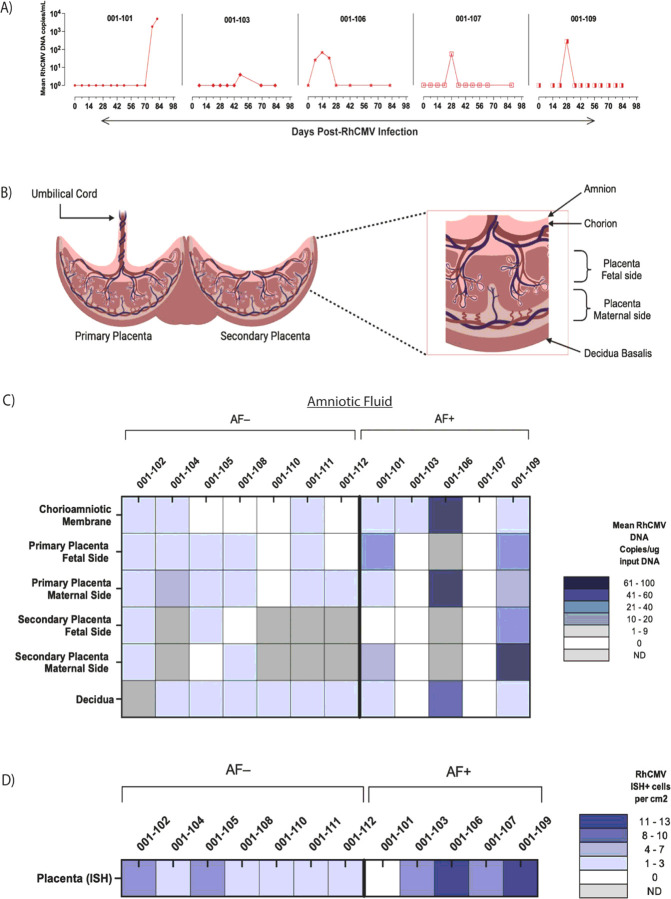 Figure 2
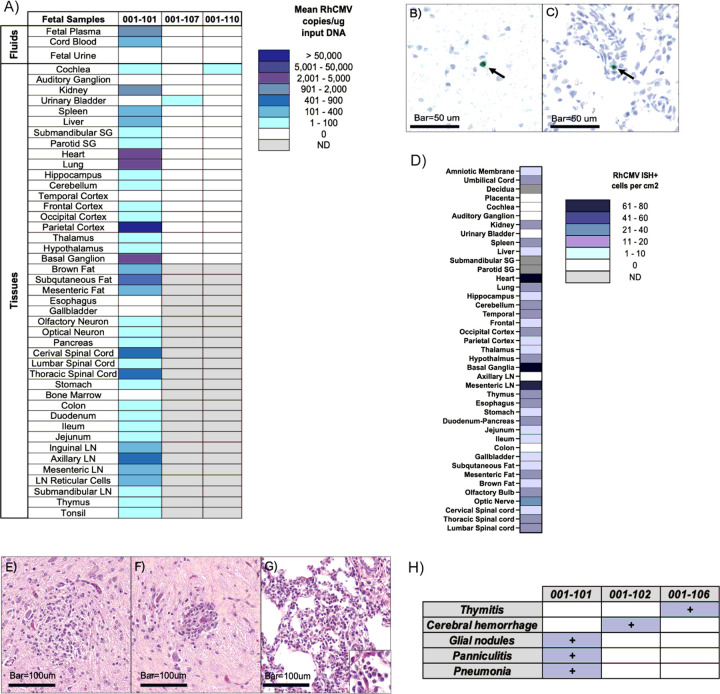 Figure 3
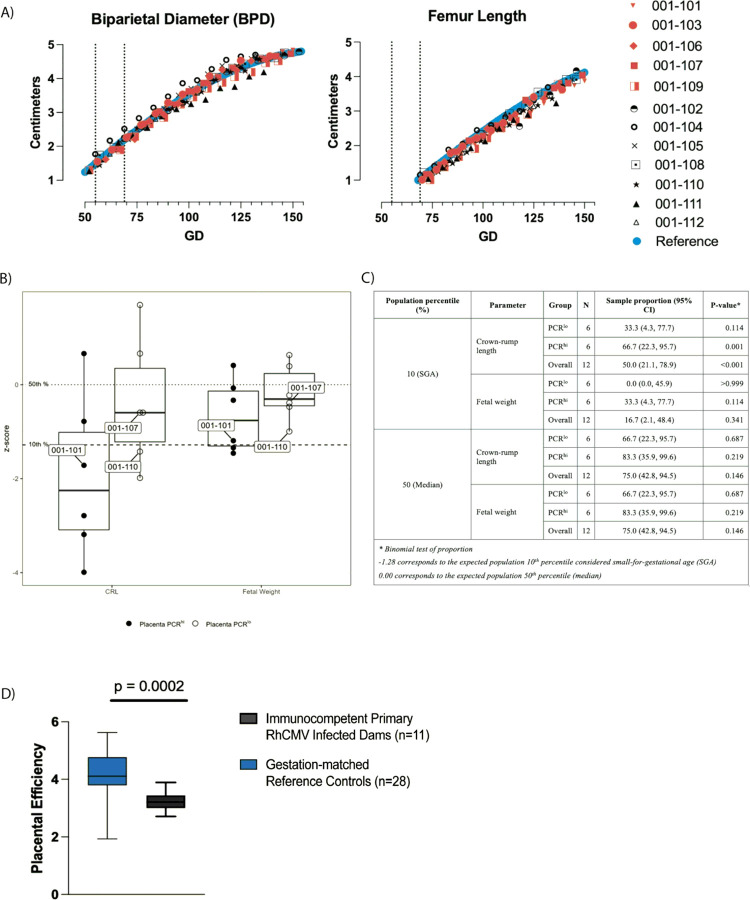 Figure 4
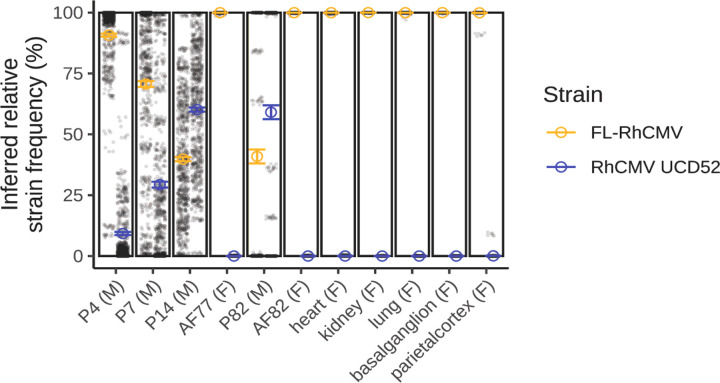 Figure 5
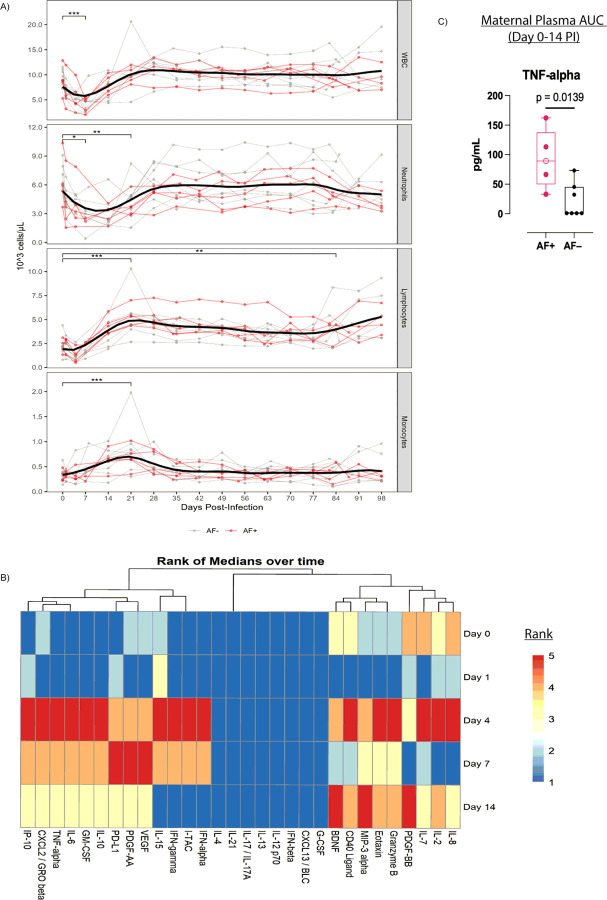 Figure 6
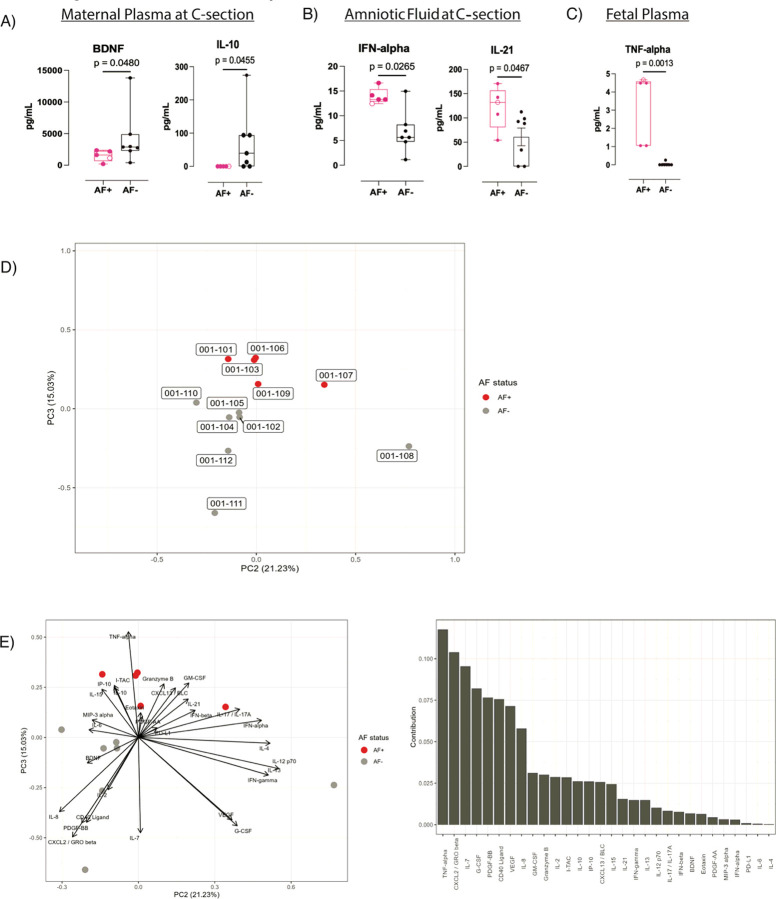 Figure 7
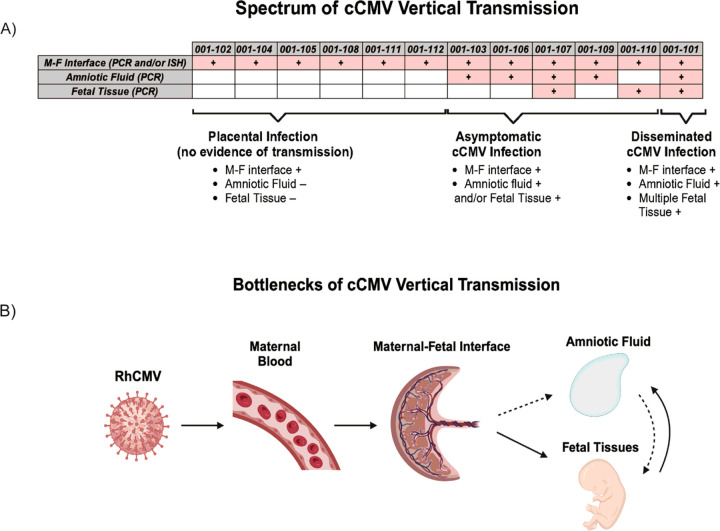 Figure 8
Peer Reviews
No public reviews on file for this paper yet. If you reviewed it on a platform where reviews are public (OpenReview, ICLR, NeurIPS, ICML), you can paste yours below so the community can read it here.
Videos
No videos yet. Explain this paper in a talk, walkthrough, or lecture? Add one.
Taxonomy
TopicsCytomegalovirus and herpesvirus research · Herpesvirus Infections and Treatments · Parvovirus B19 Infection Studies