Single-dose administration of therapeutic divalent siRNA targeting MECP2 prevents lethality for one year in an MECP2 duplication mouse model
Vignesh N. Hariharan, Ashley Summers, Amy E. Clipperton-Allen, Jillian Caiazzi, Samuel R. Hildebrand, Daniel O’ Reilly, Qi Tang, Zachary Kennedy, Dimas Echeverria, Nicholas McHugh, David Cooper, Jacqueline Souza, Chantal Ferguson, Laurent Bogdanik, Monica Coenraads

TL;DR
A single dose of siRNA targeting MECP2 gene expression prevents death and improves symptoms in a mouse model of MECP2 duplication syndrome for up to a year.
Contribution
A novel siRNA strategy is introduced for MECP2 silencing with long-term efficacy and potential safety in treating MECP2 duplication syndrome.
Findings
Six lead siRNA candidates achieved 25-75% MECP2 expression reduction for at least four months after a single dose.
A single siRNA dose fully rescued early mortality and behavioral impairments in a severe MECP2 duplication mouse model.
Isoform-selective siRNA targeting may prevent Rett Syndrome in mild MDS cases.
Abstract
MECP2 duplication syndrome (MDS) is a rare X-linked neurodevelopmental disorder caused by duplications of the dosage-sensitive methyl-CpG-binding protein 2 (MECP2) gene. Developing effective therapies for MDS is particularly challenging due to the variability in MECP2 expression among patients and the potential risk of inducing Rett syndrome through excessive pharmacological intervention. Reducing dosage to optimize silencing levels often compromises durability and necessitates increased dosing frequency. We present here a series of fully chemically modified small interfering RNAs (siRNAs) designed for both isoform-selective and total MECP2 silencing. Among these, we identify six lead siRNA candidates across two distinct chemical scaffolds, achieving targeted total MECP2 expression reductions ranging from 25% to 75%, sustained for at least four months following a single administration.…
Genes, proteins, chemicals, diseases, species, mutations and cell lines named across the full text — each resolved to its canonical identifier and authoritative record.
Click any figure to enlarge with its caption.
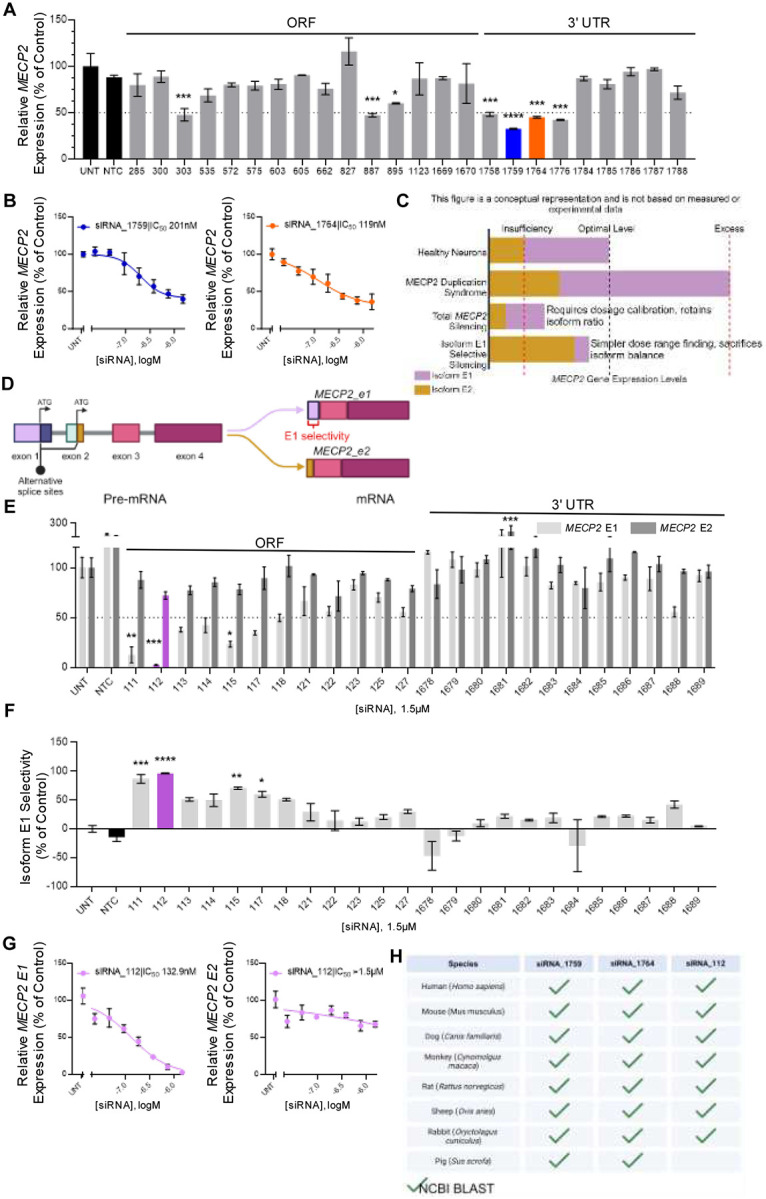 Figure 1
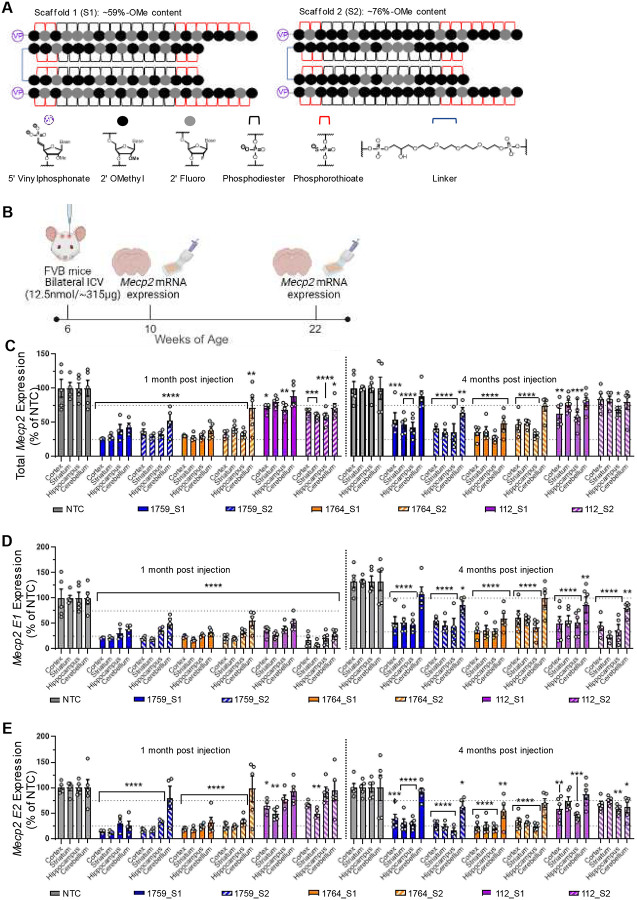 Figure 2
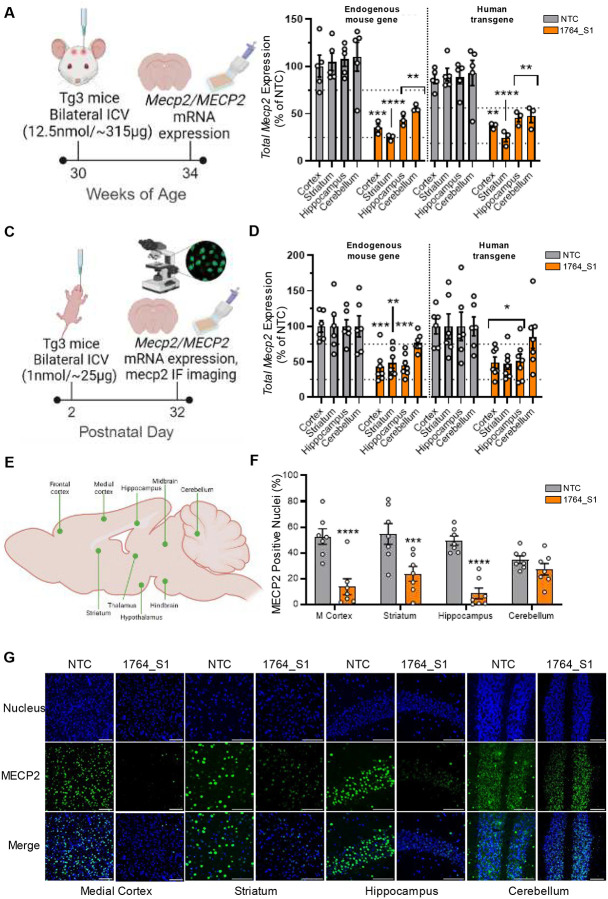 Figure 3
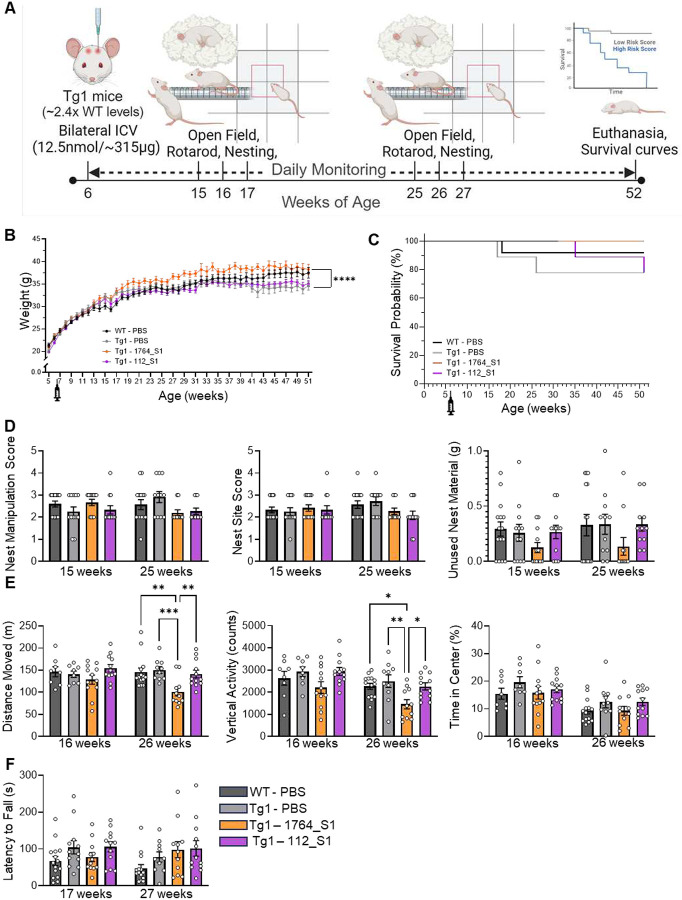 Figure 4
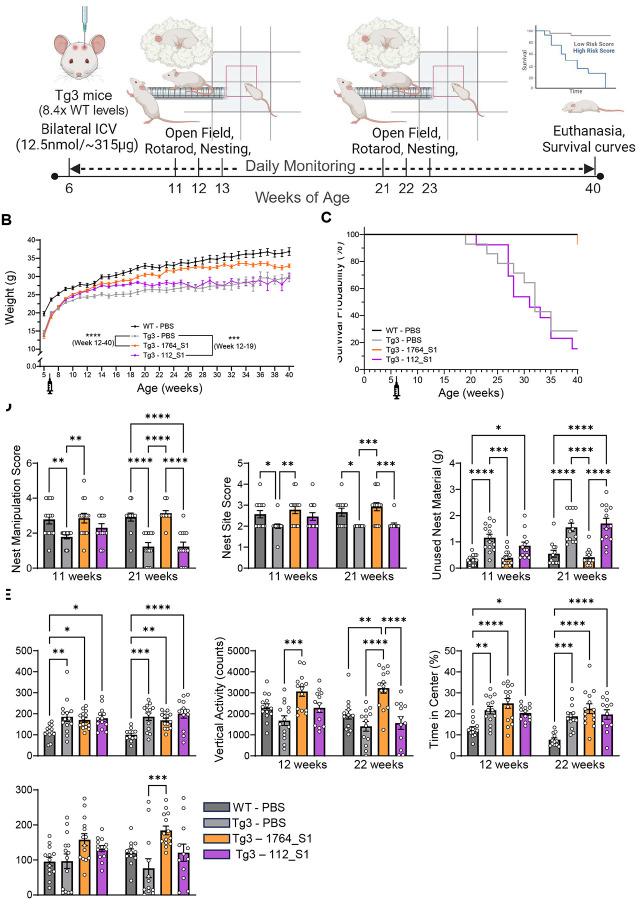 Figure 5
Peer Reviews
No public reviews on file for this paper yet. If you reviewed it on a platform where reviews are public (OpenReview, ICLR, NeurIPS, ICML), you can paste yours below so the community can read it here.
Videos
No videos yet. Explain this paper in a talk, walkthrough, or lecture? Add one.
Taxonomy
TopicsGenetics and Neurodevelopmental Disorders · Pancreatic function and diabetes · MXene and MAX Phase Materials