RNA Editors Sculpt the Transcriptome During Terminal Erythropoiesis
Areum Han, Alena Yermalovich, Mohamad Ali T. Najia, Daniel S. Pearson, Yuko Fujiwara, Michael Bolgov, Caroline Kubaczka, Trista E. North, Vanessa Lundin, Stuart Orkin, George Q. Daley

TL;DR
This study identifies a key RNA editing pathway involved in red blood cell development and shows it affects globin gene switching, which could help treat blood disorders.
Contribution
The study reveals a conserved post-transcriptional mechanism involving ZCCHC6/DIS3L2 in terminal erythropoiesis and γ-globin regulation.
Findings
Deficiency in Zcchc6 and Dis3l2 leads to reticulocytosis and RNA-rich erythroid precursors in mice.
Knockout of ZCCHC6 and DIS3L2 in human cells increases γ-globin levels in terminal erythroid cells.
The ZCCHC6/DIS3L2 pathway plays a conserved role in RNA editing during red blood cell differentiation.
Abstract
Selective RNA degradation during terminal erythropoiesis results in a globin-rich transcriptome in mature erythrocytes, but the specific RNA decay pathways remain unknown. We found that deficiency of the terminal uridylyl transferase enzyme Zcchc6 and the 3’−5’ exoribonuclease Dis3l2 in mouse models led to fetal and perinatal reticulocytosis, an accumulation of RNA-rich precursors of terminal erythroid cells, suggesting their crucial roles in terminal red cell differentiation. Notably, knockout embryos exhibited persistent high-level expression of Hbb-bh1 globin, the ortholog of human fetal γ-globin. Perturbation of the Zcchc6-Dis3l2 pathway in mice engineered to express the human b-globin locus likewise increased γ-globin levels in fetal erythroid cells, suggesting that globin switching entails post-transcriptional mechanisms of mRNA destabilization in addition to transcriptional…
Genes, proteins, chemicals, diseases, species, mutations and cell lines named across the full text — each resolved to its canonical identifier and authoritative record.
Click any figure to enlarge with its caption.
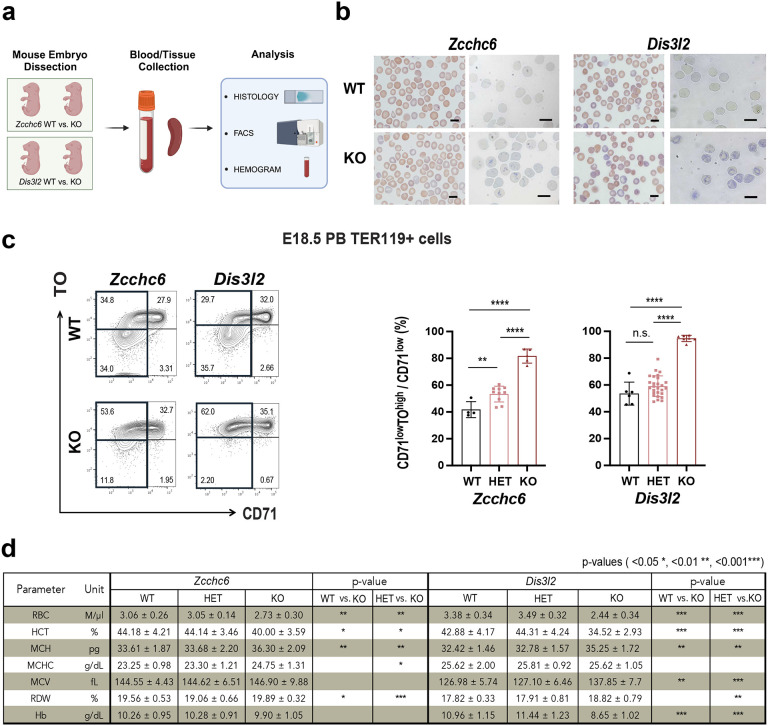 Figure 1
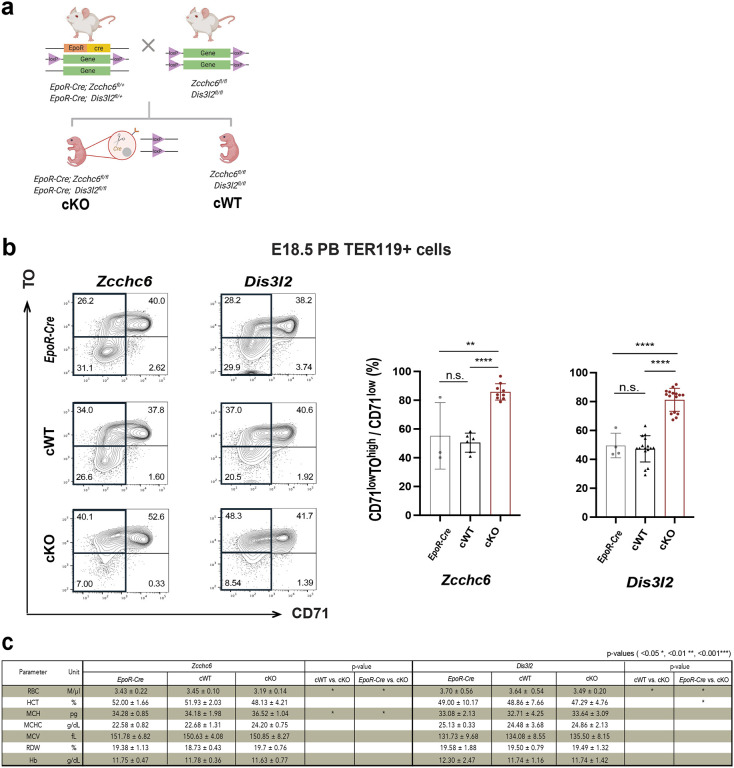 Figure 2
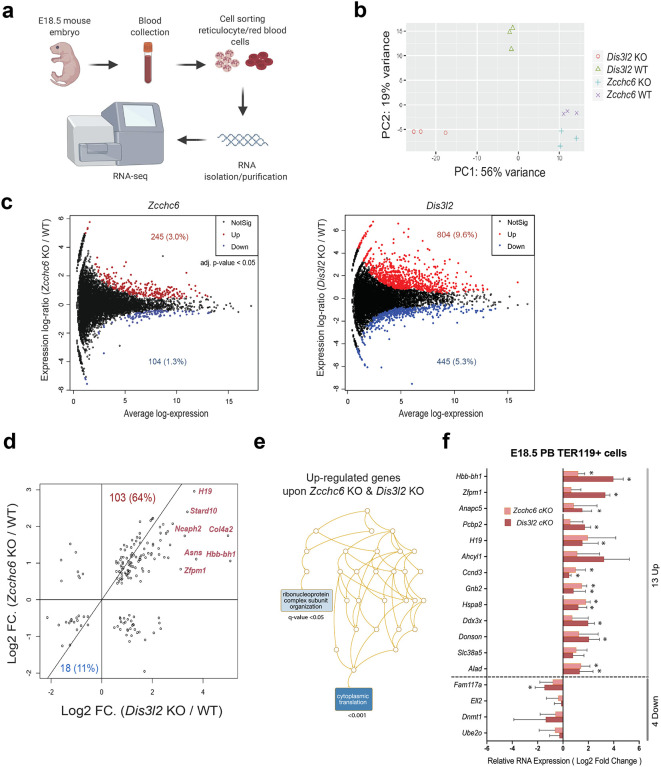 Figure 3
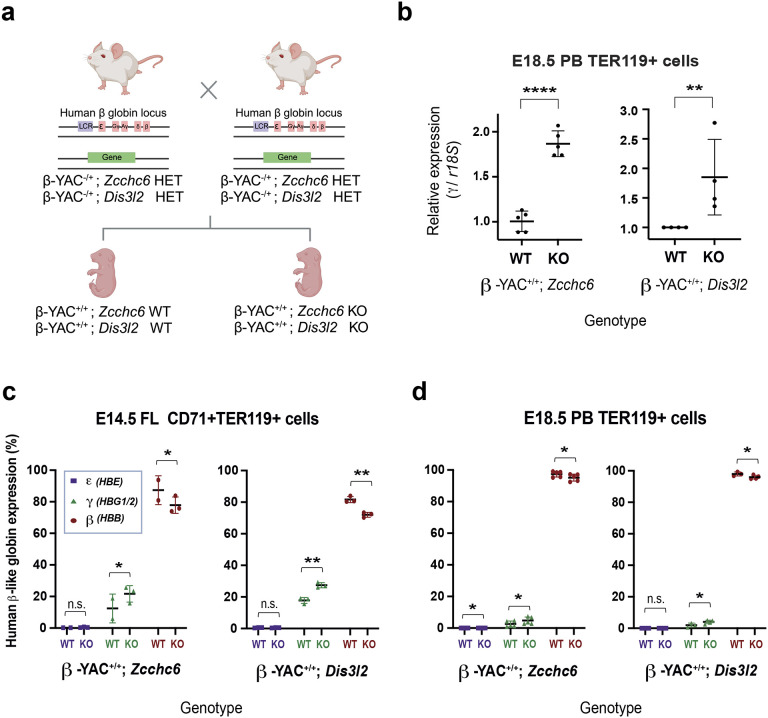 Figure 4
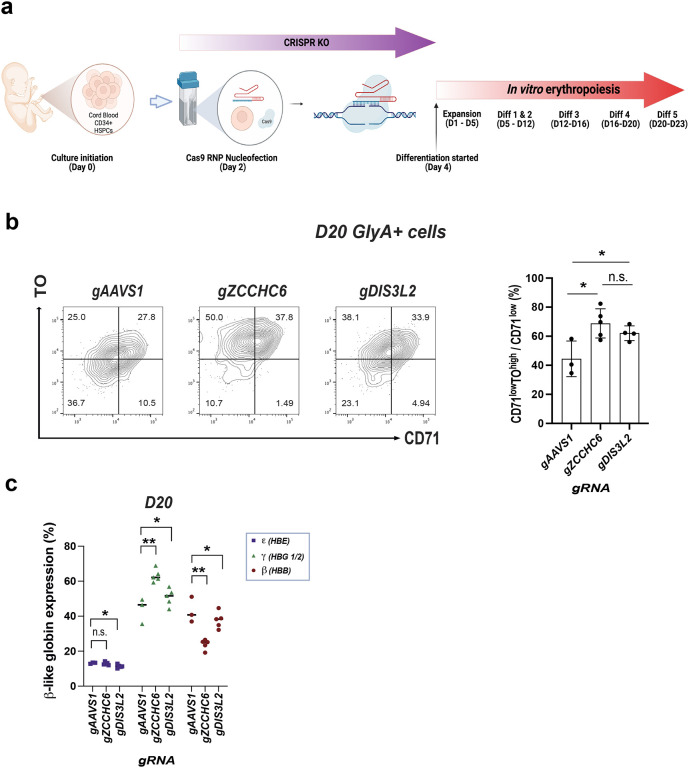 Figure 5
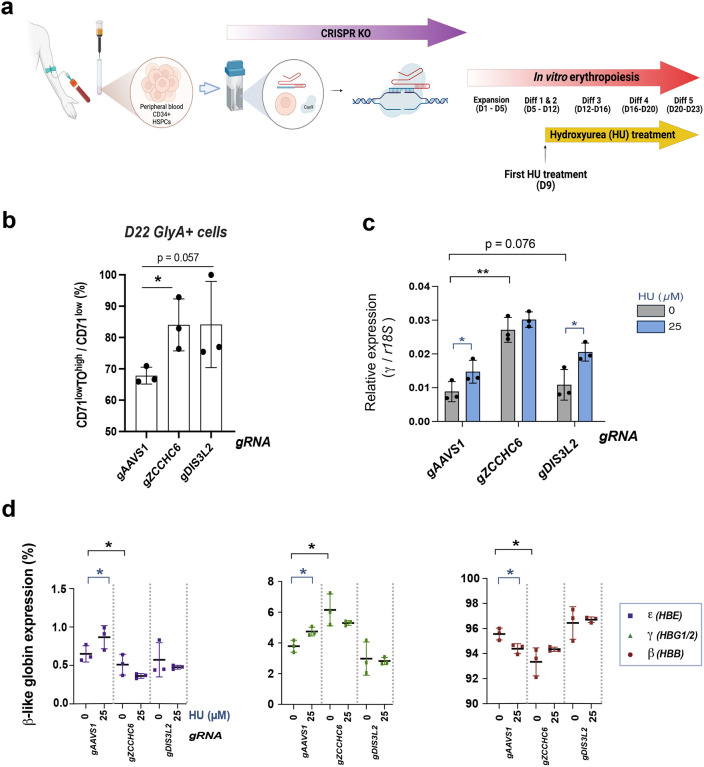 Figure 6
Peer Reviews
No public reviews on file for this paper yet. If you reviewed it on a platform where reviews are public (OpenReview, ICLR, NeurIPS, ICML), you can paste yours below so the community can read it here.
Videos
No videos yet. Explain this paper in a talk, walkthrough, or lecture? Add one.
Taxonomy
TopicsCancer-related molecular mechanisms research · RNA modifications and cancer · RNA Research and Splicing