Immune Checkpoint Inhibition Perturbs Neuro-immune Homeostasis and Impairs Cognitive Function
Onwodi V. Ifejeokwu, An Do, Sanad M. El Khatib, Nhu H. Ho, Angel Zavala, Shivashankar Othy, Munjal M. Acharya

TL;DR
Blocking immune checkpoints to treat cancer can disrupt brain function and cause cognitive issues by altering immune activity in the brain.
Contribution
This study reveals that combination ICI therapy disrupts brain function independently of cancer, linking it to microglial activation and synaptic damage.
Findings
Combination ICI disrupted synaptic integrity and reduced myelin levels in both cancer and non-cancer mice.
ICI selectively impaired hippocampal-dependent cognitive functions and increased T cell and microglial activation in the brain.
ICI treatment exacerbated autoimmunity in the CNS, indicating tumor-independent neurodegenerative effects.
Abstract
Blockade of Cytotoxic T-lymphocyte-associated protein 4 (CTLA-4) and Programmed Cell Death Protein 1 (PD-1) significantly improves progression-free survival of individuals with cancers, including melanoma. In addition to unleashing antitumor immunity, immune checkpoint inhibition (ICI) therapies disrupt immune regulatory networks critical for maintaining homeostasis in various tissues, including the central nervous system (CNS). Despite growing reports of cancer- and ICI-related cognitive impairments among survivors, our understanding of the pathophysiology of ICI-related neurodegenerative effects is limited. In this study, using a murine model of melanoma, cognitive function tests, and neuroimmunological assays, we investigate the cellular mechanisms and impact of combinatorial blockade of CTLA-4 and PD-1 on brain function. Syngeneic melanoma was induced in a C57Bl6 mouse model using…
Genes, proteins, chemicals, diseases, species, mutations and cell lines named across the full text — each resolved to its canonical identifier and authoritative record.
Click any figure to enlarge with its caption.
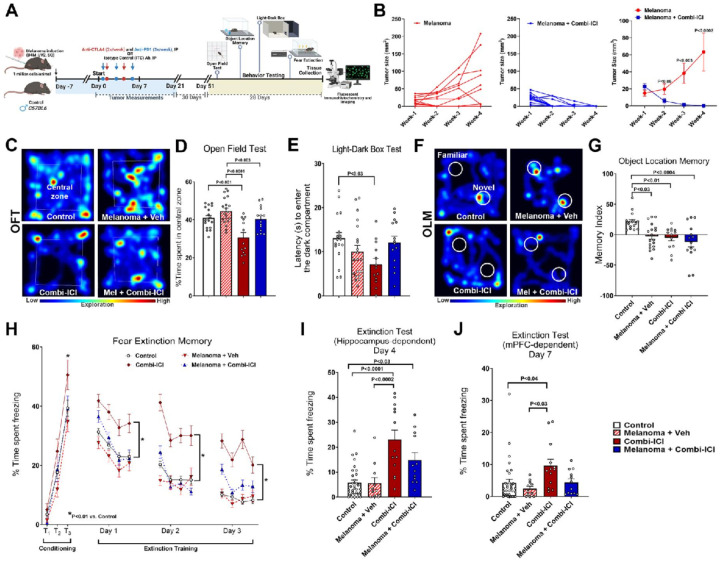 Figure 1
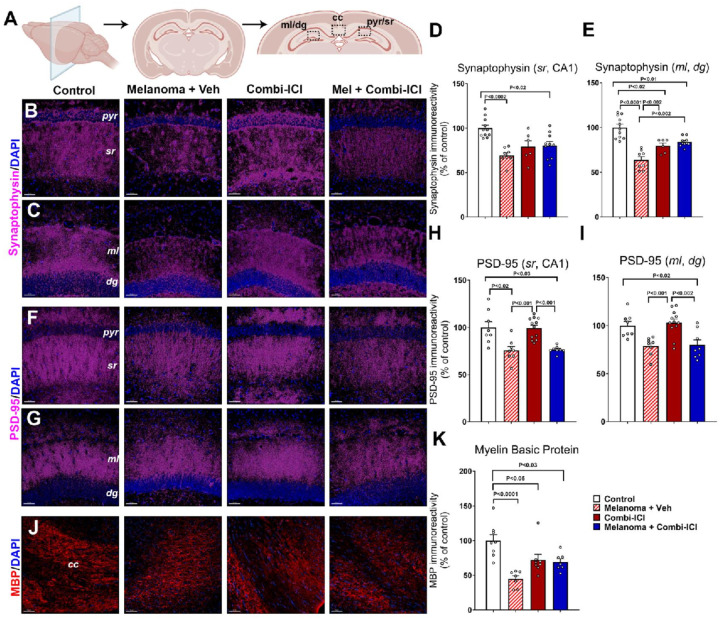 Figure 2
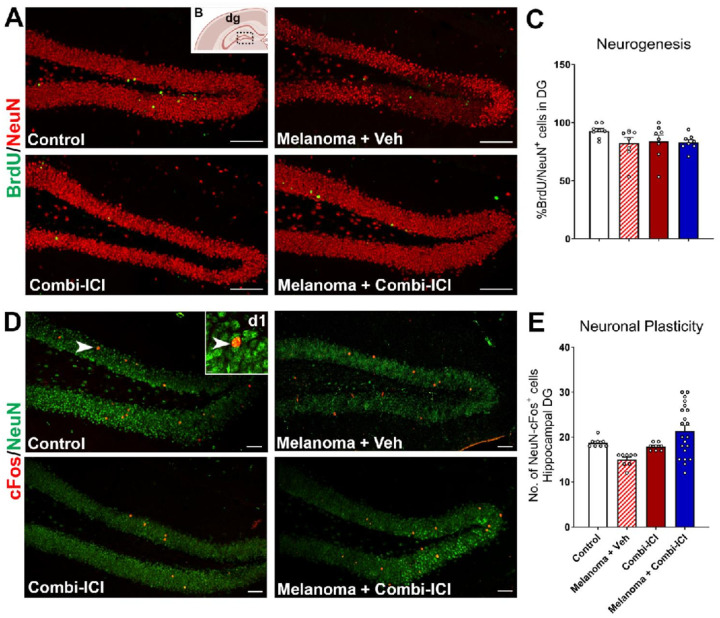 Figure 3
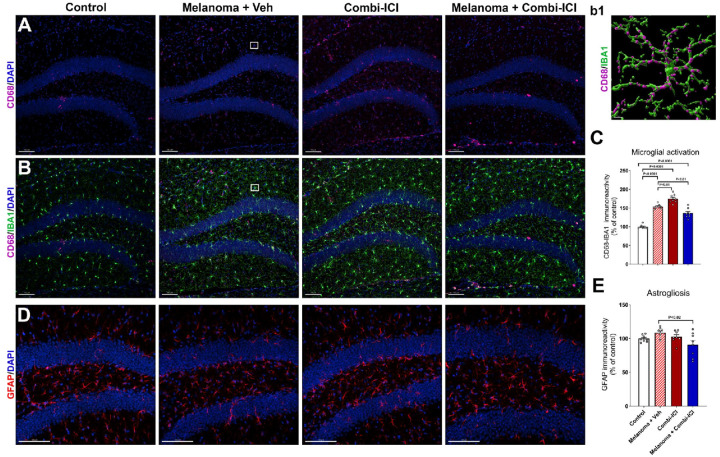 Figure 4
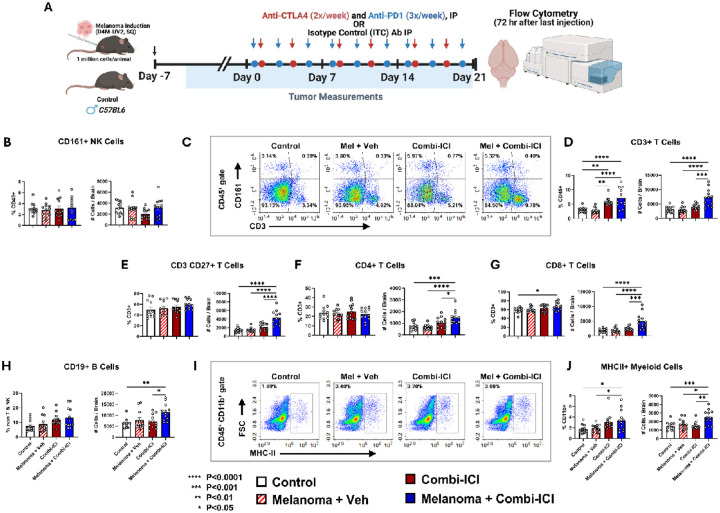 Figure 5
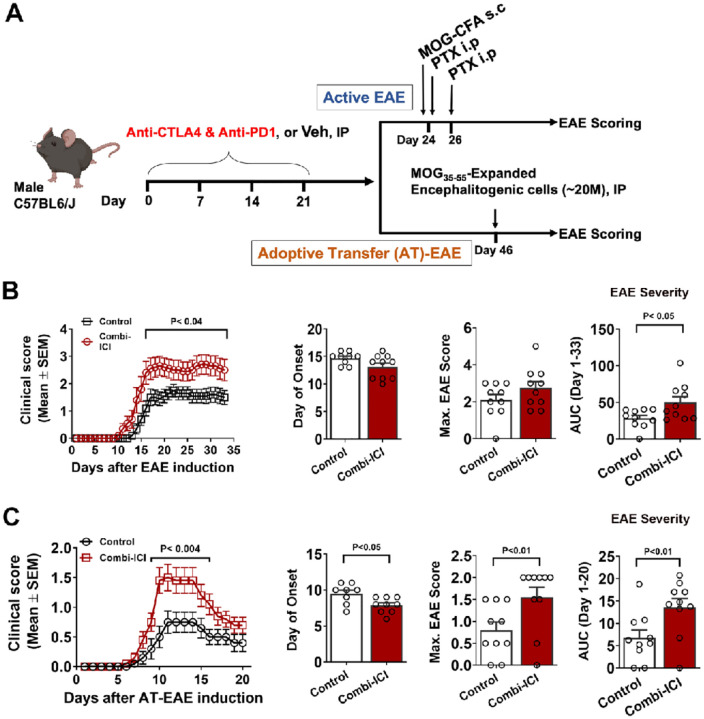 Figure 6
Peer Reviews
No public reviews on file for this paper yet. If you reviewed it on a platform where reviews are public (OpenReview, ICLR, NeurIPS, ICML), you can paste yours below so the community can read it here.
Videos
No videos yet. Explain this paper in a talk, walkthrough, or lecture? Add one.
Taxonomy
TopicsTryptophan and brain disorders · Neuroinflammation and Neurodegeneration Mechanisms · Pharmacological Receptor Mechanisms and Effects